

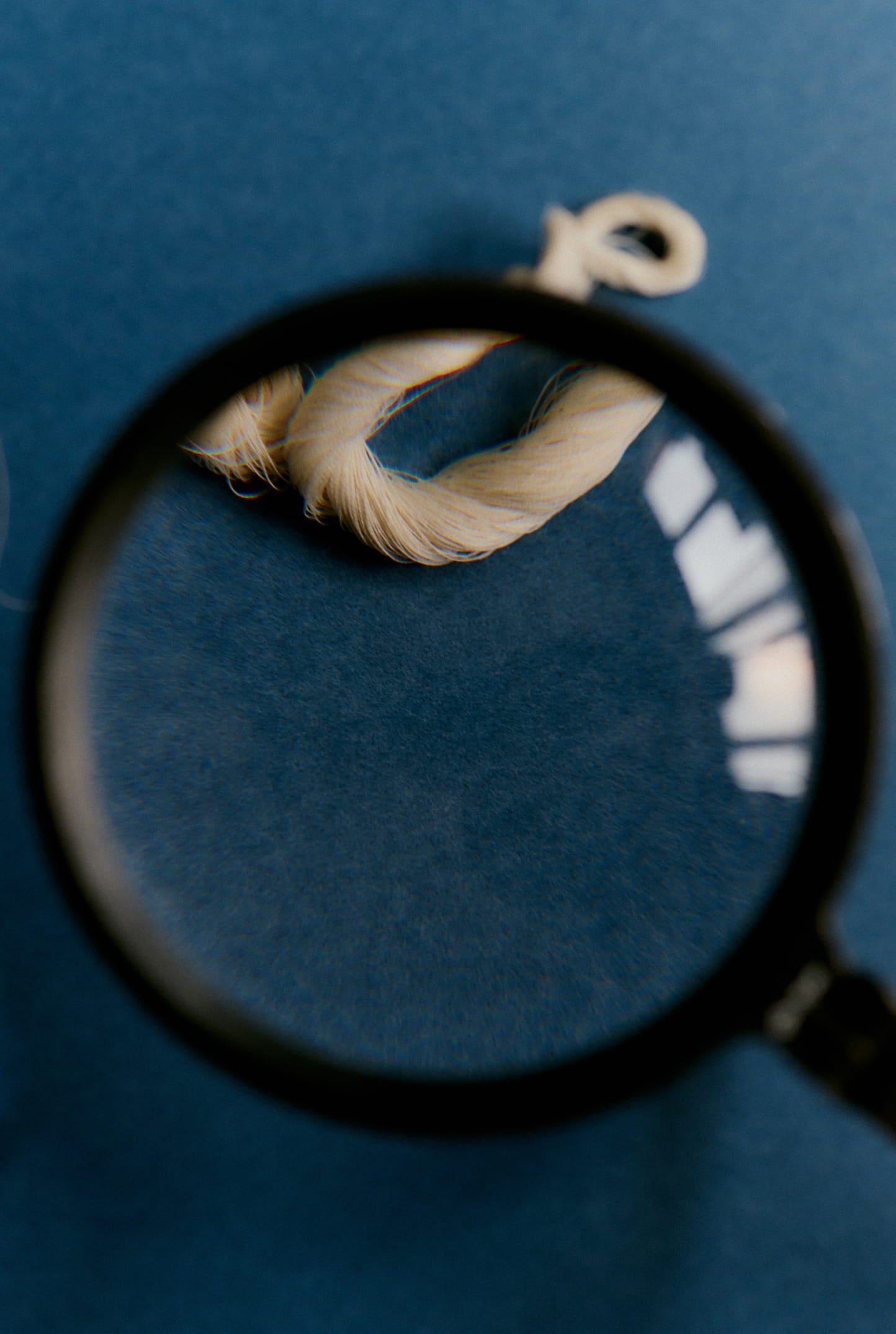
Article: Quiet luxury: meaning, origins and the contradictions of understated luxury

Quiet luxury: meaning, origins and the contradictions of understated luxury
For a long time, luxury had one clear aim: to catch the eye. It did so through recognisable logos, striking details and objects that announced their value at a glance. Then, at some point, the logos disappeared, the catwalks grew more restrained and colours seemed less eager to demand attention. Yet behind that apparent simplicity often lie carefully chosen materials, meticulous craftsmanship and prices that are anything but discreet. This is how quiet luxury became one of the most widely discussed phenomena in contemporary fashion.
The term describes an aesthetic built on the absence of ostentation. Prestige is communicated through perceived quality, the construction of a garment and details that only a trained eye will recognise, rather than through a logo. The phenomenon surged in 2023, after years dominated by logomania and trends consumed at the speed of social media. It was fuelled by the television series Succession, the old money aesthetic and a growing weariness with excess. In a period marked by economic uncertainty, wealth did not disappear: it simply lowered its voice, adopting a subtler language that was not necessarily any more accessible.
Meanwhile, quiet luxury moved beyond elite wardrobes and became an aesthetic that could be recreated at any price point. Neutral colours, pared-back silhouettes and minimalist clothing found their way into a wide range of collections, creating a curious paradox: a style designed to stand apart without drawing attention became a mass-market trend. But what remains of quiet luxury when anyone can reproduce its image? Is it really a new idea of elegance, or simply another social code turned into fashion? Let us take a closer look.

Table of Contents
- What is quiet luxury, and where does it come from?
-
The return to discretion after the years of logomania
- Quiet luxury, stealth wealth and old money are not the same thing
- The aesthetic codes of quiet luxury
- The contradiction of an aesthetic that went mainstream
- A passing trend or a new idea of elegance?
What is quiet luxury, and where does it come from?
Quiet luxury is an approach to luxury founded on discretion. Garments communicate their value through the choice of materials, precise lines and details that take time and knowledge to appreciate, rather than through instantly recognisable symbols. It follows the principle of “if you know, you know”: the message does not need to reach everyone, only those who have the means to decipher it.
This is not, however, a recent invention. Luxury has always alternated between periods of conspicuous display and times when social distinction relied on more discreet codes. When a symbol becomes too widespread, it tends to lose some of its power to distinguish. Those wishing to signal membership of an exclusive group then seek new signs that are less obvious and harder to imitate.
It is precisely this mechanism that makes quiet luxury interesting. A study published in the Journal of Marketing in 2010 introduced the concept of brand prominence: the visibility of a brand's markings on a product. According to the research by Han, Nunes and Drèze, some consumers prefer goods with prominent logos, while others are willing to pay more for products whose branding is less conspicuous. In the latter case, prestige is not removed: it is communicated selectively, within a circle able to recognise those signals. The research can be consulted on the American Marketing Association website.
The contemporary definition of the phenomenon is therefore part of a longer history. In the 1990s, the minimalism of designers such as Jil Sander, Giorgio Armani, Calvin Klein and Miuccia Prada had already set pared-back lines and restrained colours against the excesses of the previous decade. Even then, simplicity did not mean a lack of design: removing the superfluous brought form, material and construction into sharper focus.
Quiet luxury draws on some of that language, but adds a very specific social dimension. It celebrates more than a clean aesthetic; it suggests a kind of wealth so secure that it has no need to announce itself. A garment may look simple, but its value is meant to be understood through its cut, fabric or provenance. The absence of a logo becomes a distinctive sign in its own right.
Quiet luxury fashion therefore lives with a contradiction: it seeks to move beyond ostentation, yet continues to speak about status. It rejects the most explicit symbols of luxury and replaces them with less immediately apparent ones. It does not remove the desire to stand apart: it makes it subtler.
The return to discretion after the years of logomania
If understated elegance has been around for so long, why did quiet luxury suddenly become ubiquitous? The answer cannot be found in a single collection or celebrity. The phenomenon emerged from the meeting of economic shifts, cultural change and the mechanisms of social media.
During the 2010s, fashion went through a period dominated by highly visible logos, high-impact collaborations and products designed to be recognised instantly. Over time, however, that constant demand for visibility became tiring. Economic uncertainty added to this visual saturation. In unstable times, overt displays of wealth can become harder to make without embarrassment. Quiet luxury offered a perfect solution: continuing to wear very expensive clothes without openly signalling their price. It is no coincidence that the phenomenon has sometimes been linked to so-called recession dressing, a more restrained way of communicating wealth during periods of economic slowdown or anxiety.

Pop culture and high-profile media moments made this language legible to a much wider audience. In Succession, for example, members of the Roy family often wear seemingly anonymous clothes: logo-free caps, basic knitwear, understated suits and classically shaped outerwear. Their wardrobes become part of the storytelling: those who truly hold power appear to have no need to prove it. In 2023, Gwyneth Paltrow's outfits during a civil trial also drew attention precisely because they looked so restrained and composed. No conspicuous logos, no overtly theatrical elements: just discreet garments whose value was revealed through their details.
Social media then turned these references into easy-to-replicate formulas. A complex phenomenon was reduced to a series of recognisable elements: a cashmere jumper, a camel coat, loafers, tailored trousers and a structured bag. In its review of the aesthetics that defined 2023, Vogue highlighted the visual accessibility of quiet luxury: the same look can be created with a designer blazer or one from a much more affordable price range.
This is where a second paradox emerges. Quiet luxury promises distance from frantic consumption, yet owes some of its popularity to the very social platforms that accelerate the rise and fall of trends. A style built on reserve went viral. A form of elegance that was not supposed to seek attention ended up receiving a great deal of it.
Quiet luxury, stealth wealth and old money are not the same thing
Quiet luxury, stealth wealth, the old money aesthetic and minimalism are often treated as synonyms. They resemble one another, but do not describe exactly the same phenomenon.
Stealth wealth is about choosing not to make one's wealth immediately visible. A garment may be very expensive, but its value should be recognisable only to a small group, through its materials, craftsmanship or unobtrusive details.
Quiet luxury shares this discretion, but has a broader meaning. It does not necessarily concern people with wealth to conceal: it can describe a taste based on restraint, perceived quality and garments that will last beyond a few seasons. Stealth wealth begins with social position; quiet luxury can begin with the object and the way it is chosen.
The old money aesthetic, by contrast, evokes the imagery of inherited wealth: blazers, classic knitwear, loafers, Oxford shirts, equestrian references and private-club settings. Quiet luxury may use some of these elements, but need not tell that particular story. It can be more contemporary, more fluid and further removed from the codes of aristocracy or the established upper classes.
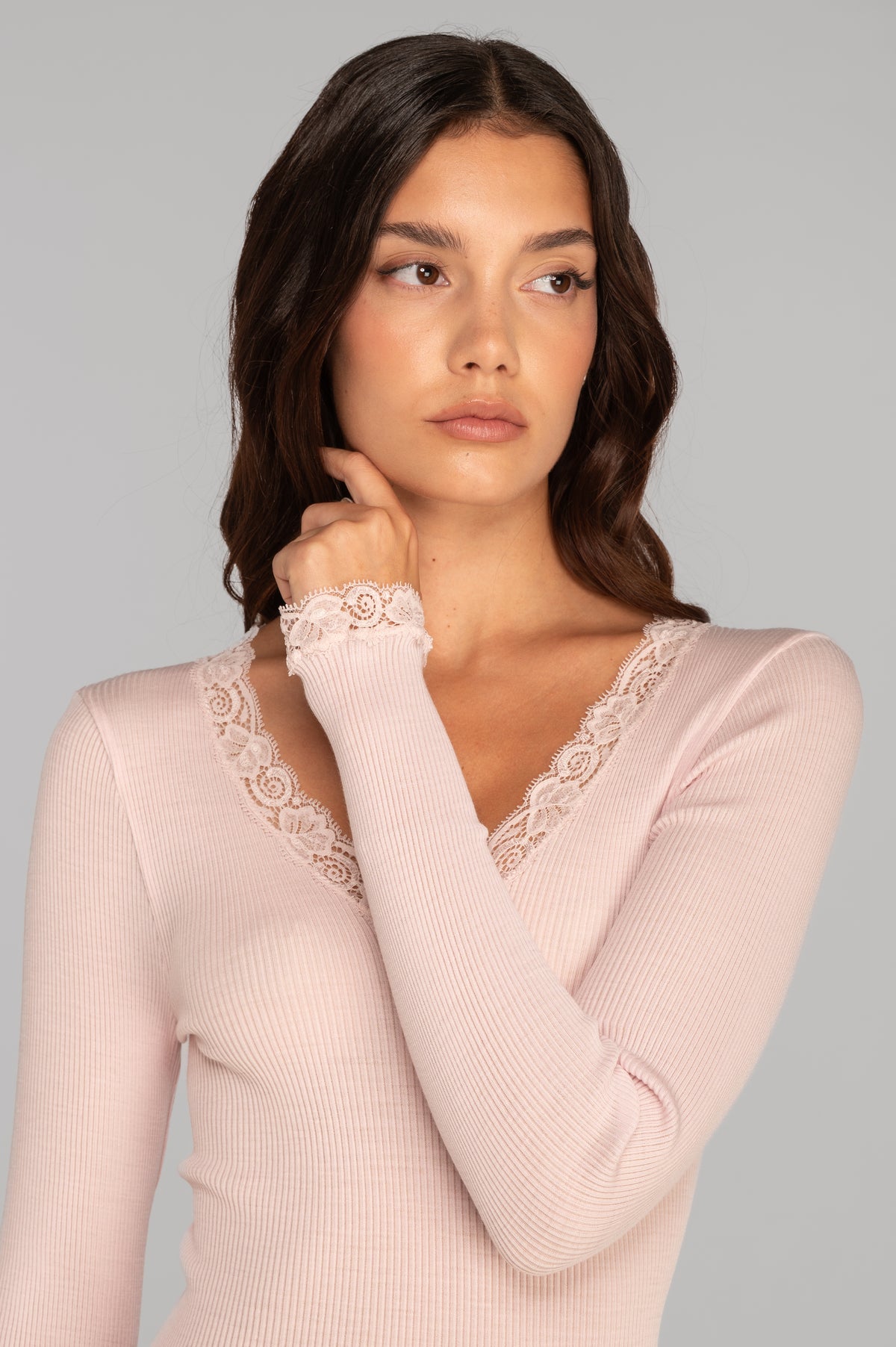
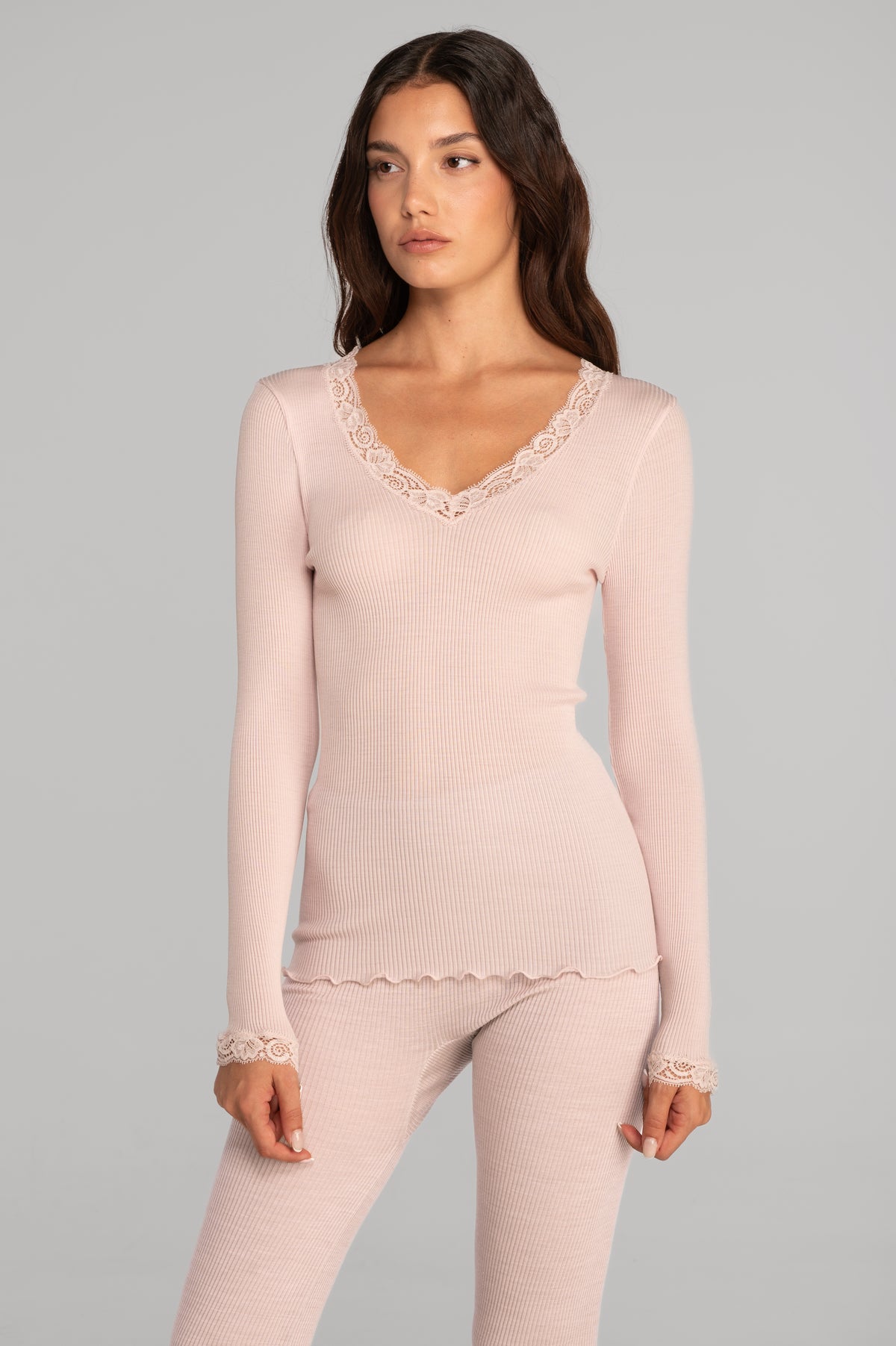
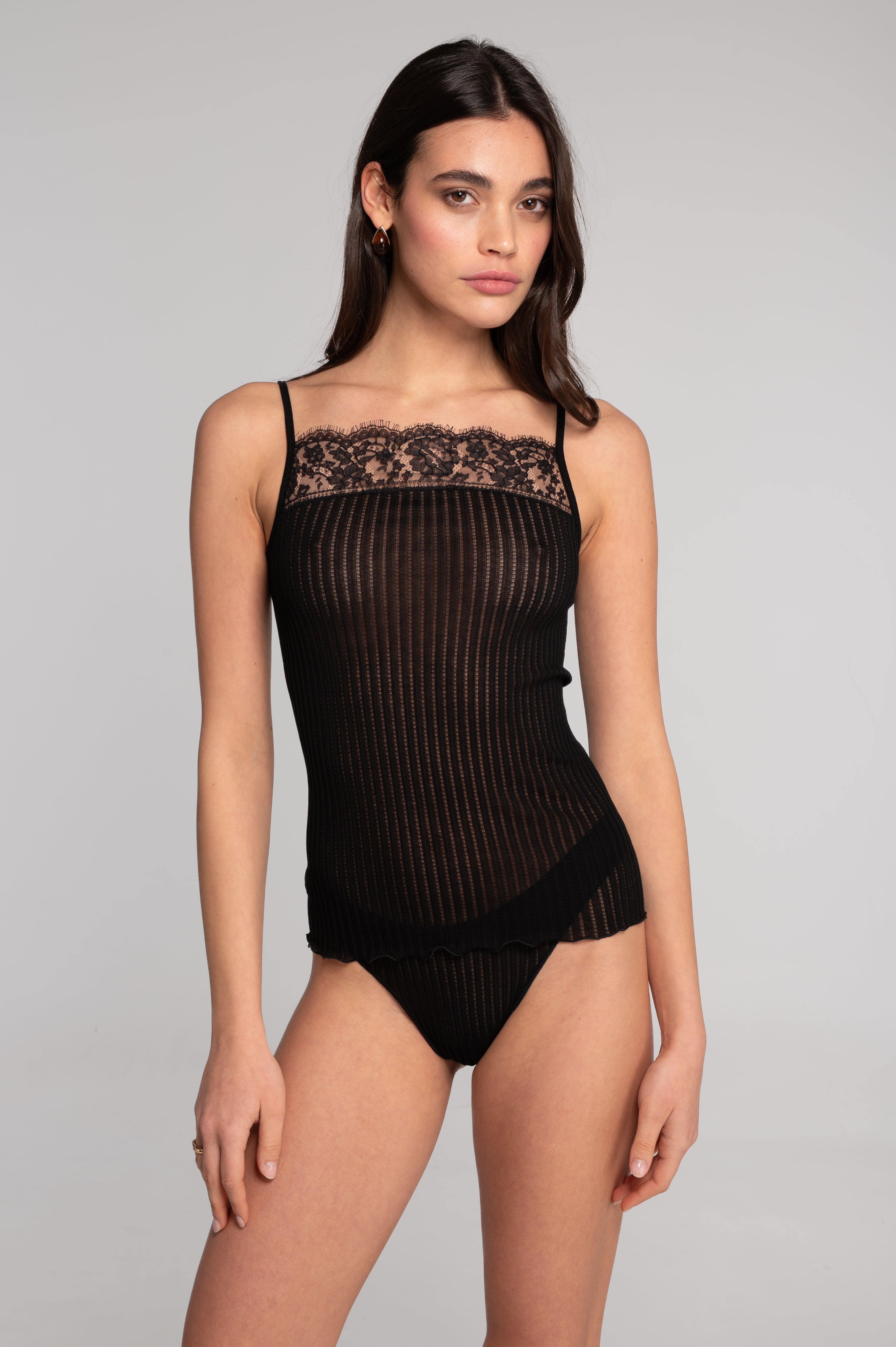
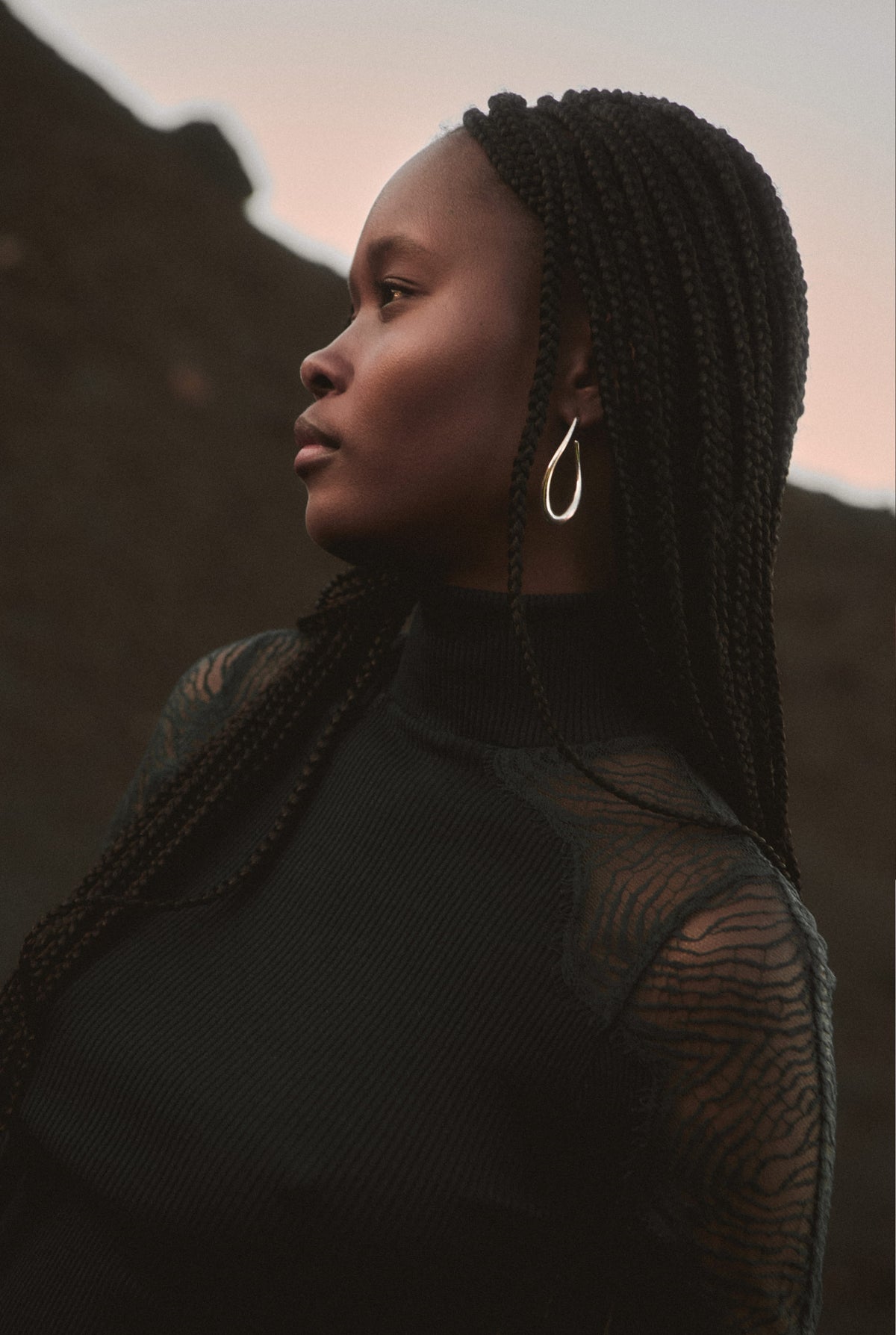
Minimalism clothing also removes excess, but follows a different principle. Minimalism seeks reduction; quiet luxury seeks understated refinement. It can therefore include a complex texture, delicate lace or a rich colour, provided the overall look remains balanced.
Overlap is inevitable, especially as social media tends to compress different concepts into a single image. Yet not every beige outfit is quiet luxury, not every logo-free garment conceals exceptional value, and not every classic look belongs to the old money aesthetic. The surface may look similar; what differs is the meaning assigned to it.
The aesthetic codes of quiet luxury
Quiet luxury has no official uniform, but it has developed highly recognisable visual codes. The first is a reduction in “noise”: logos, prints and embellishments do not necessarily disappear, but cease to be the focal point of an outfit. Attention is directed towards the silhouette, the movement of the fabric and the relationship between its different elements.
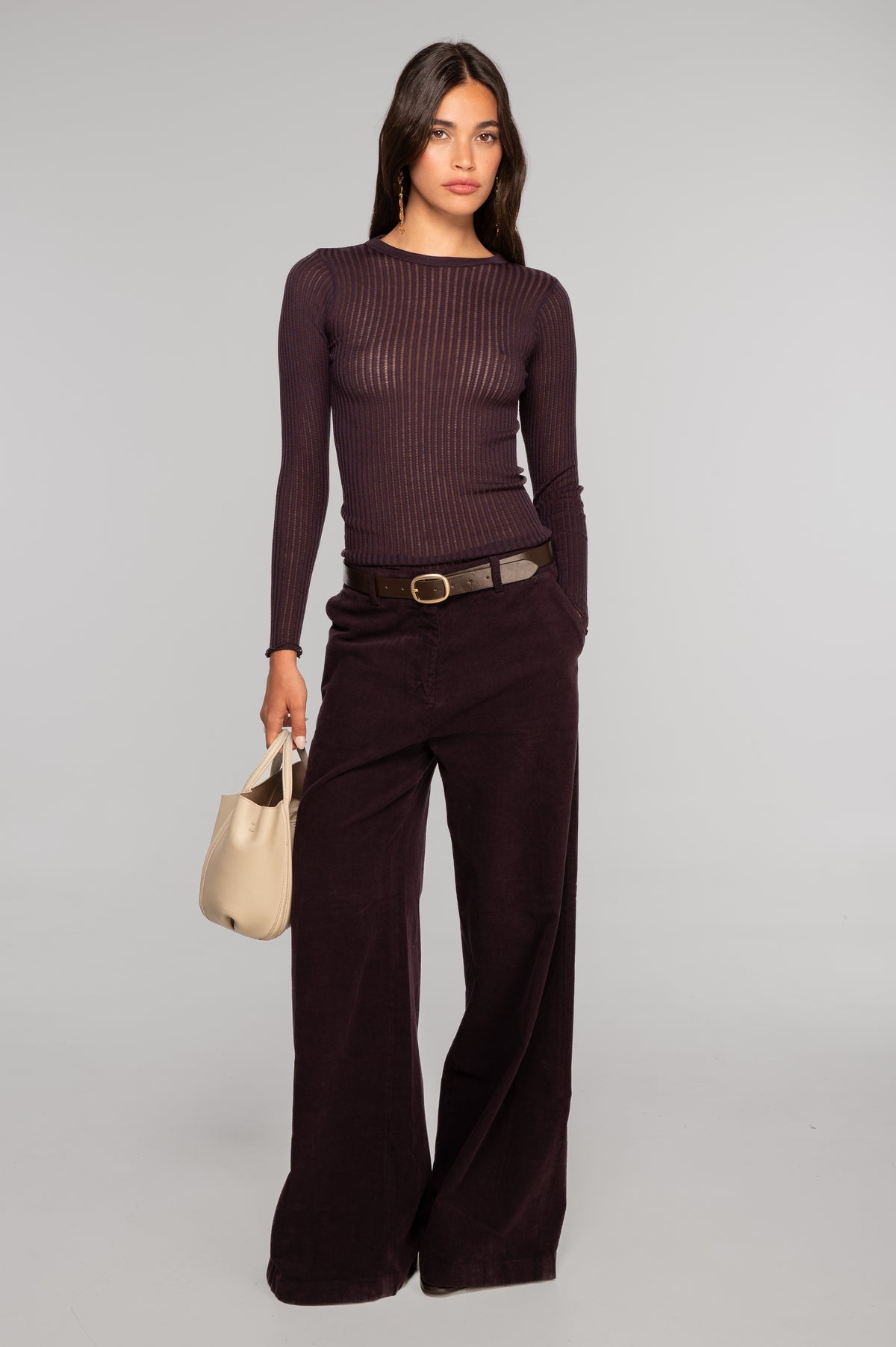
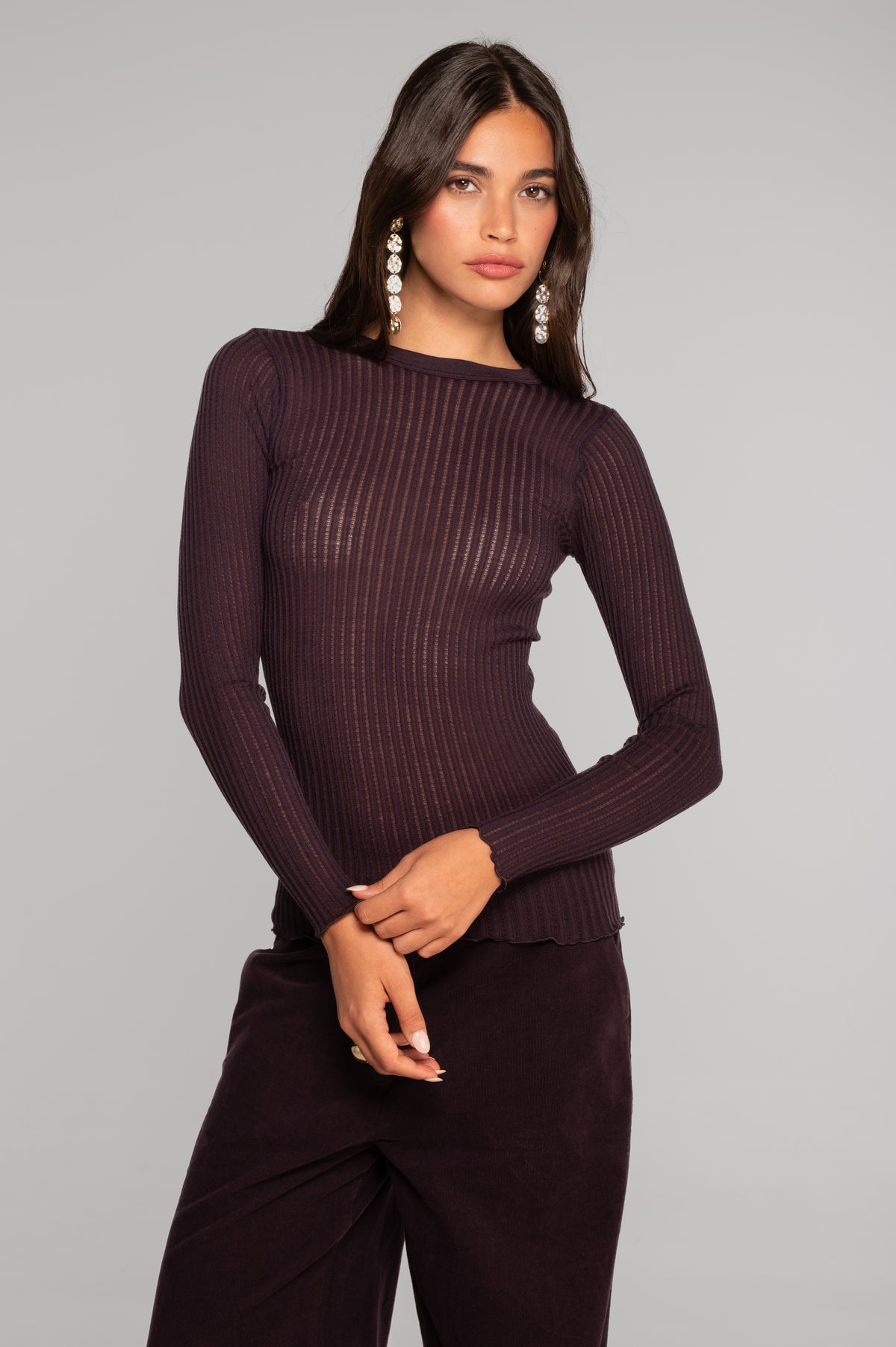
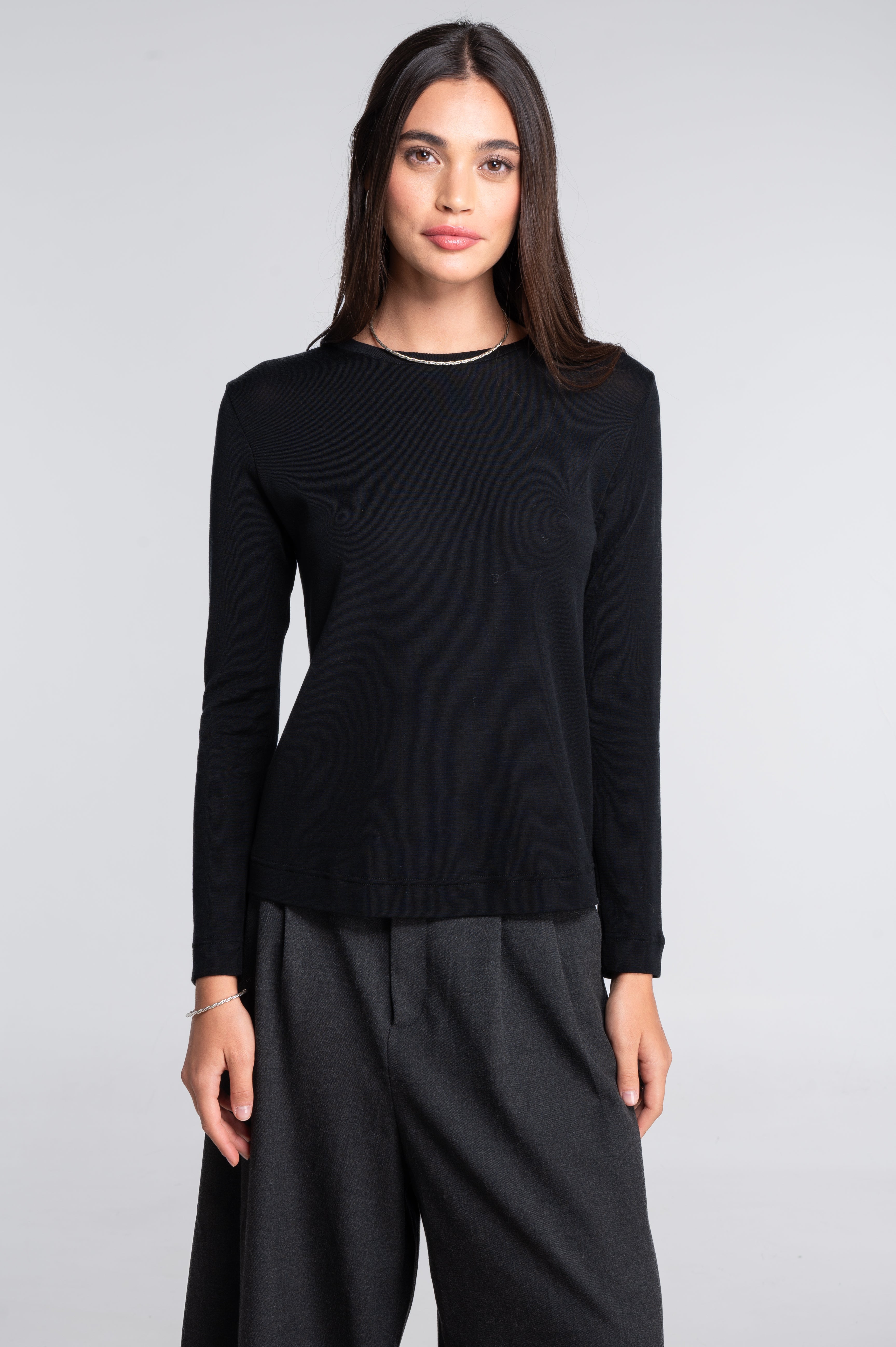
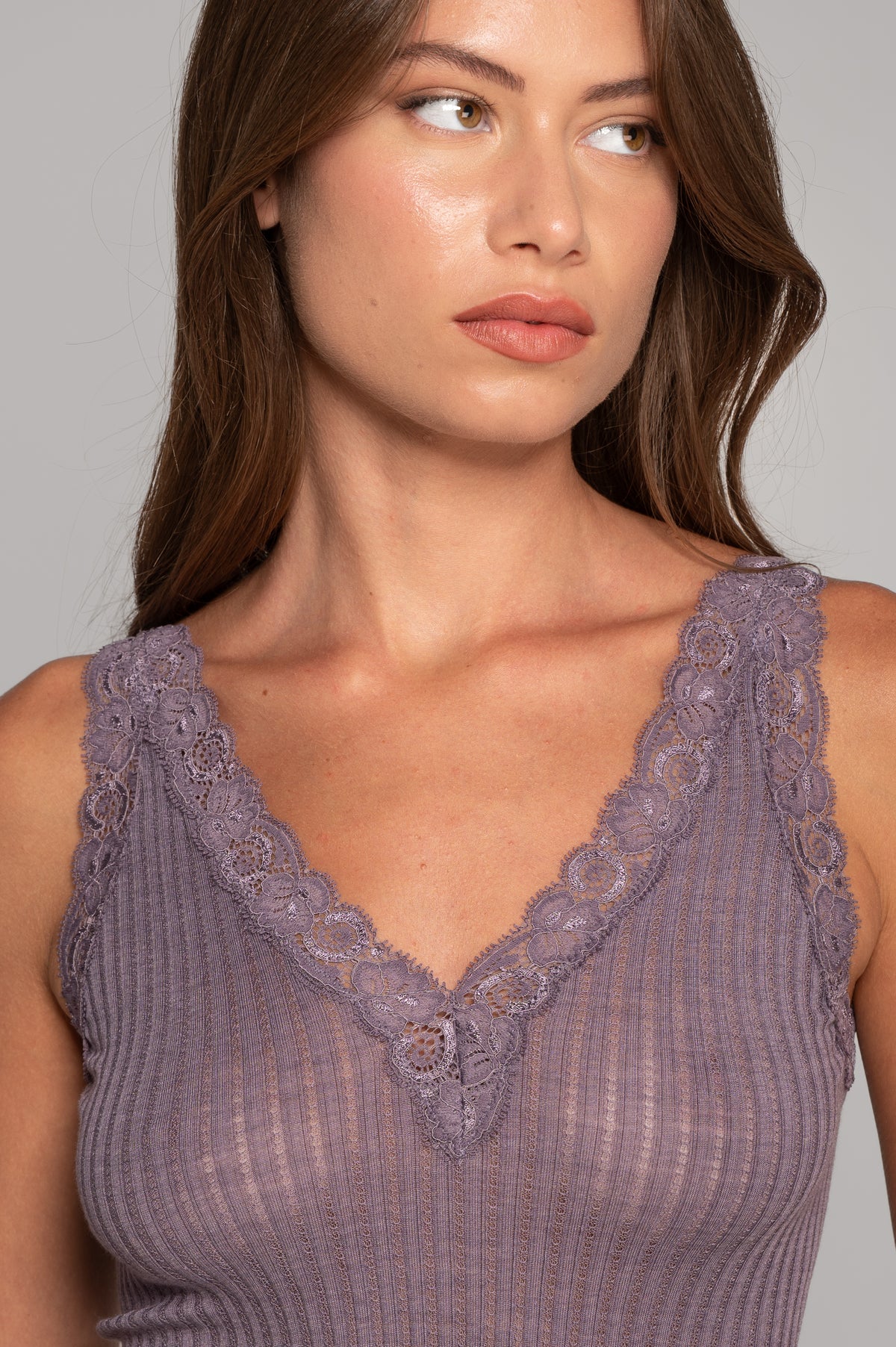
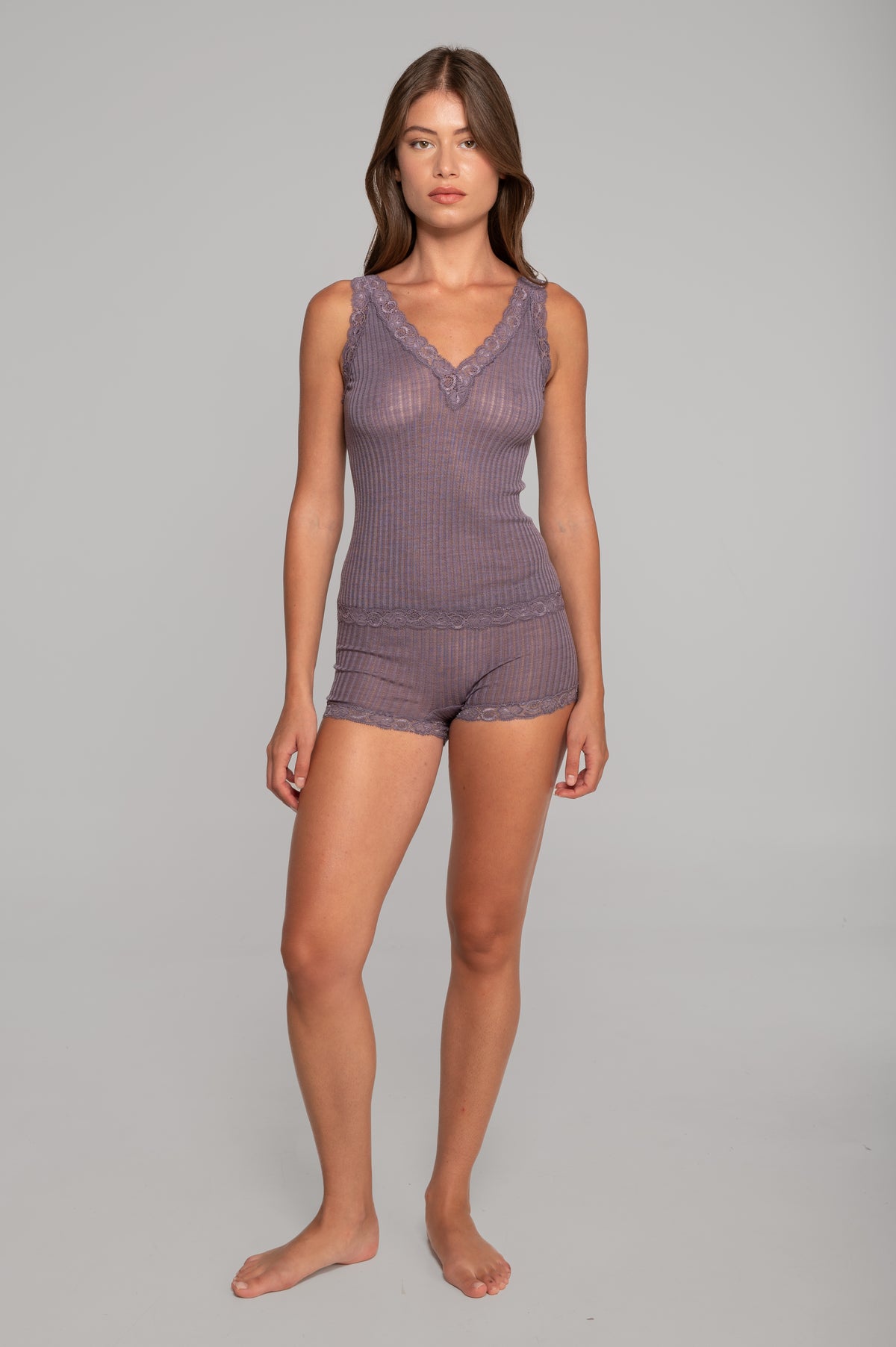
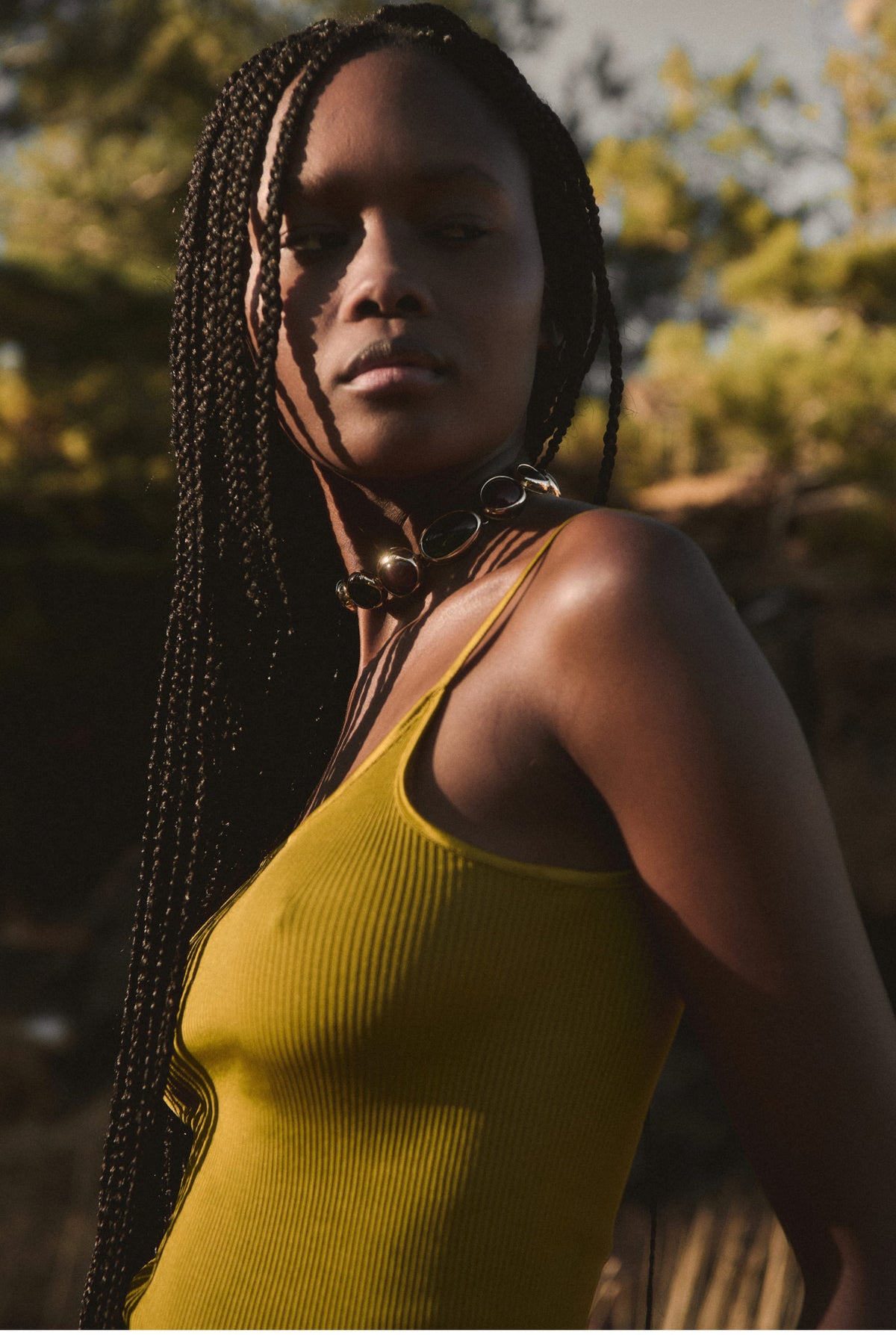
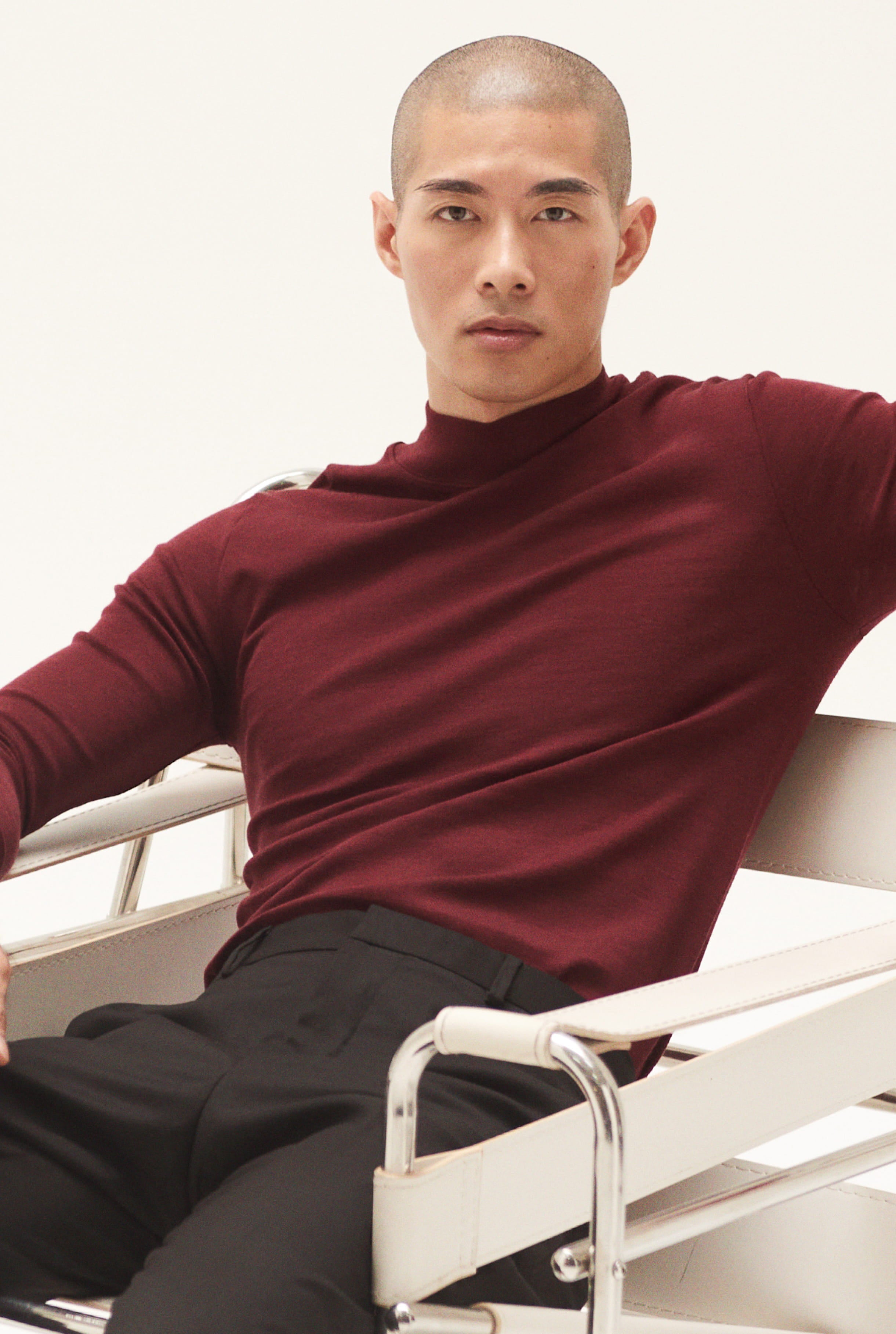
Neutral colours have taken on a central role because they convey balance and move easily across the seasons. Beige, cream, grey, black, brown and navy form a palette instantly associated with understated elegance. A deep burgundy, forest green, dusty wisteria or rich blue can express the same elegance. The point is not to eliminate colour, but to avoid using it solely to chase a passing trend.
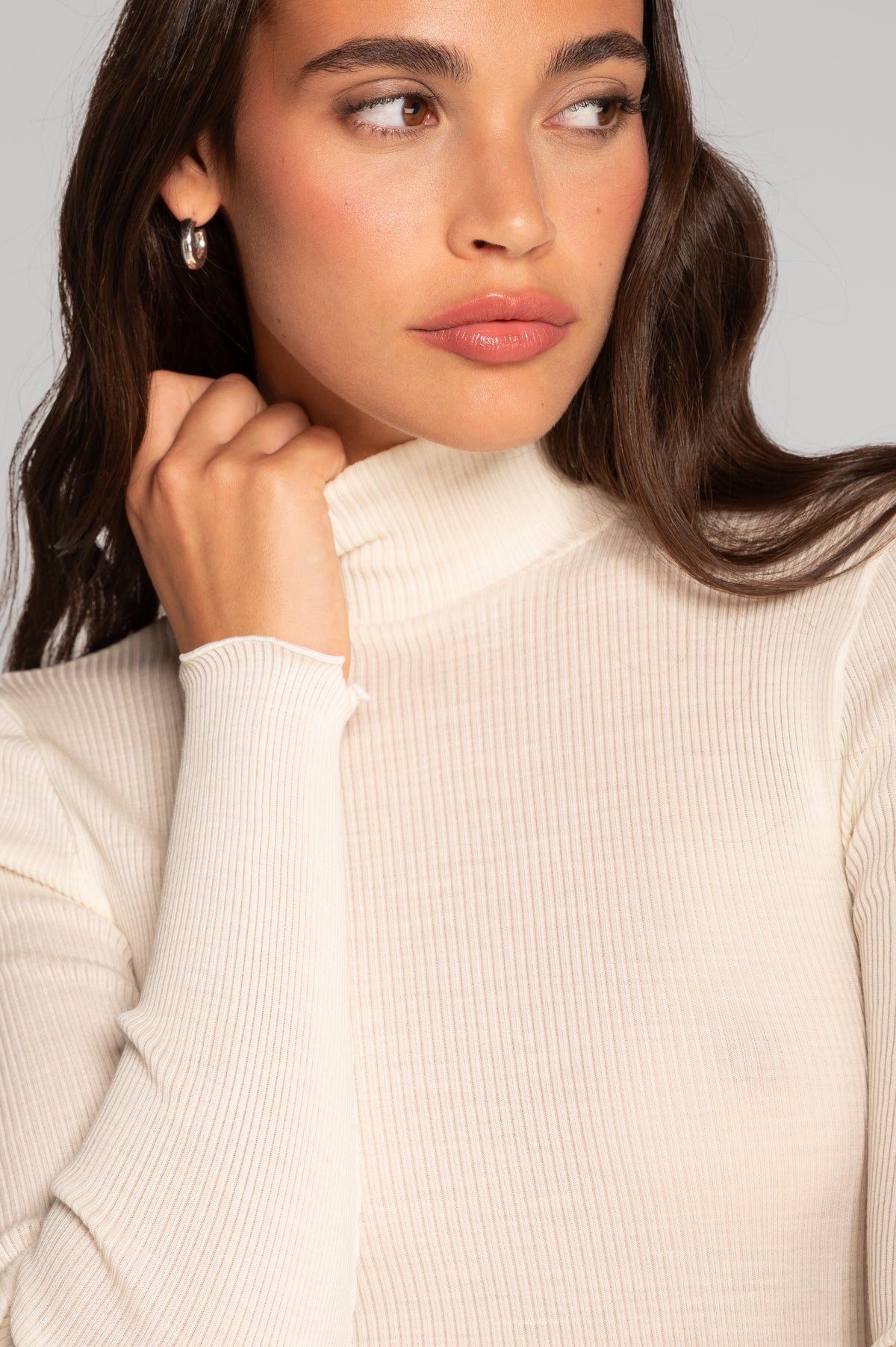
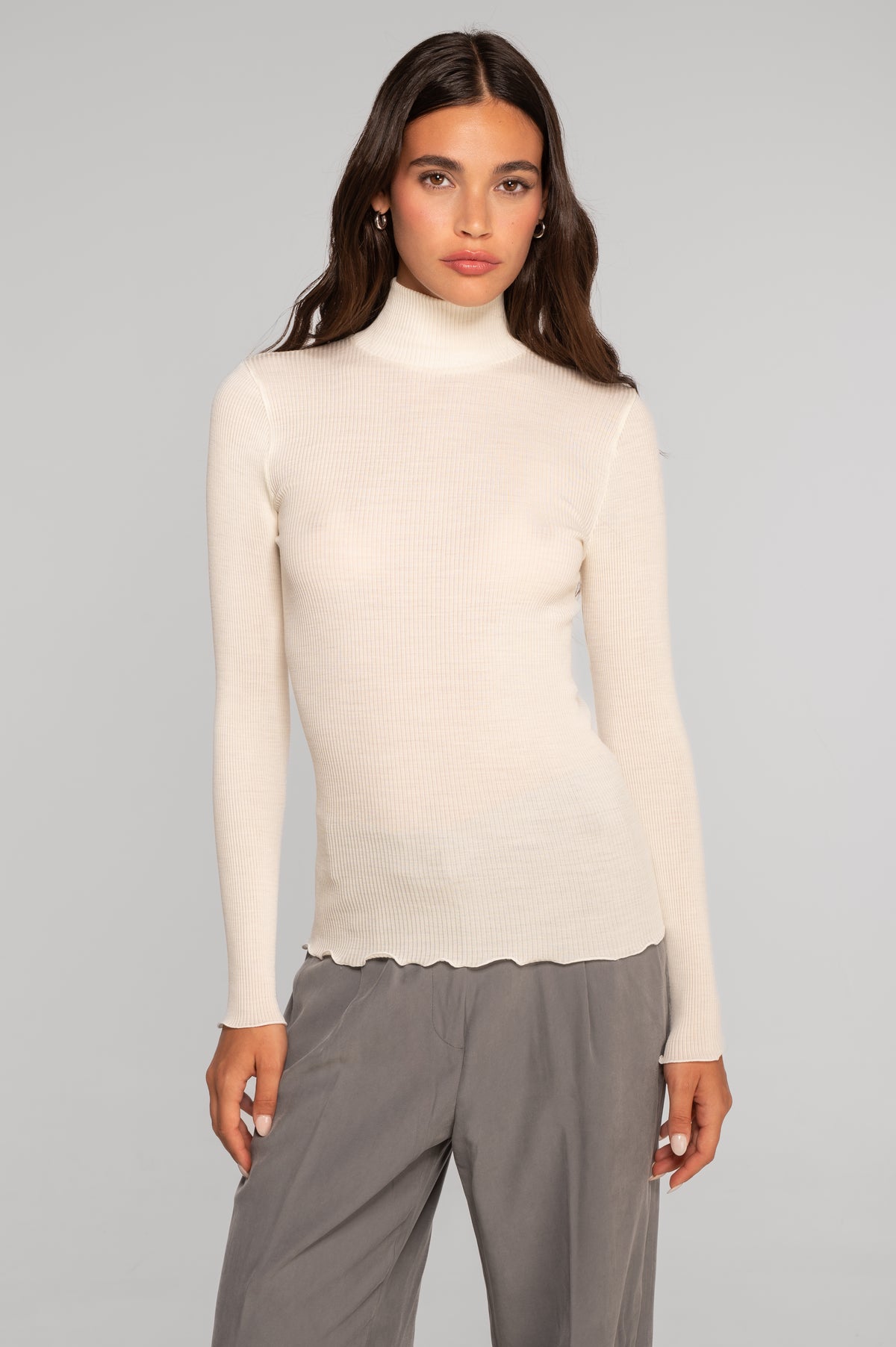
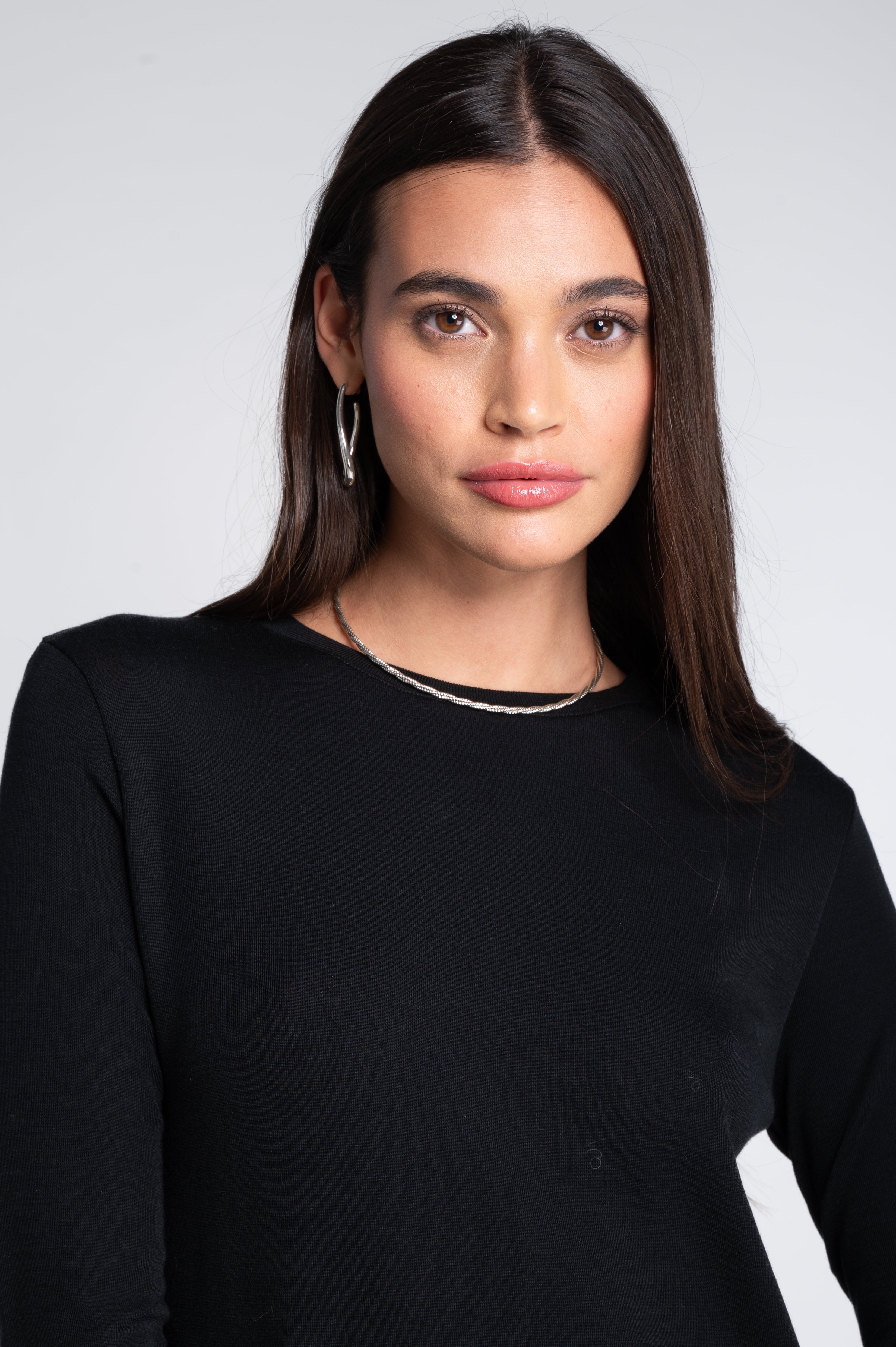
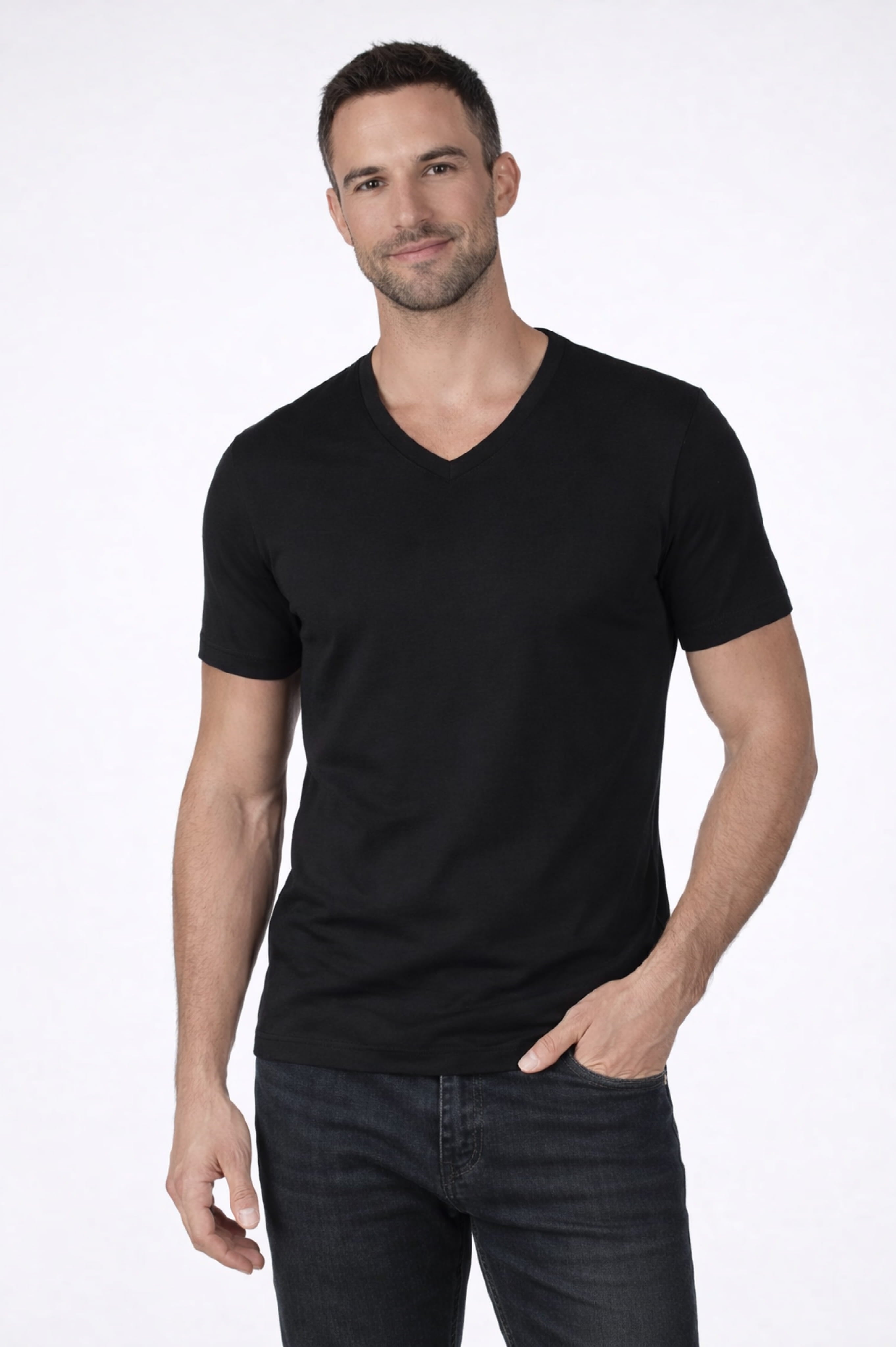
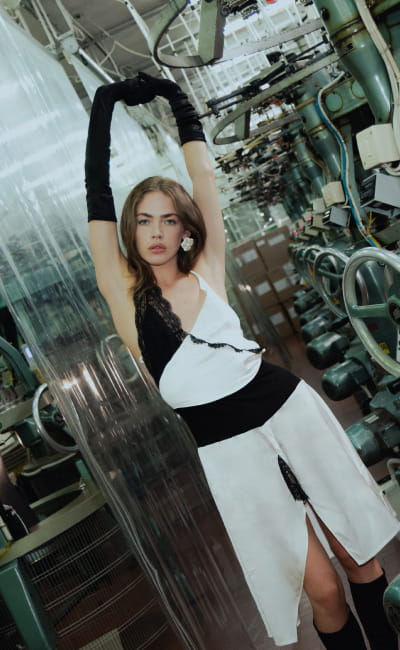
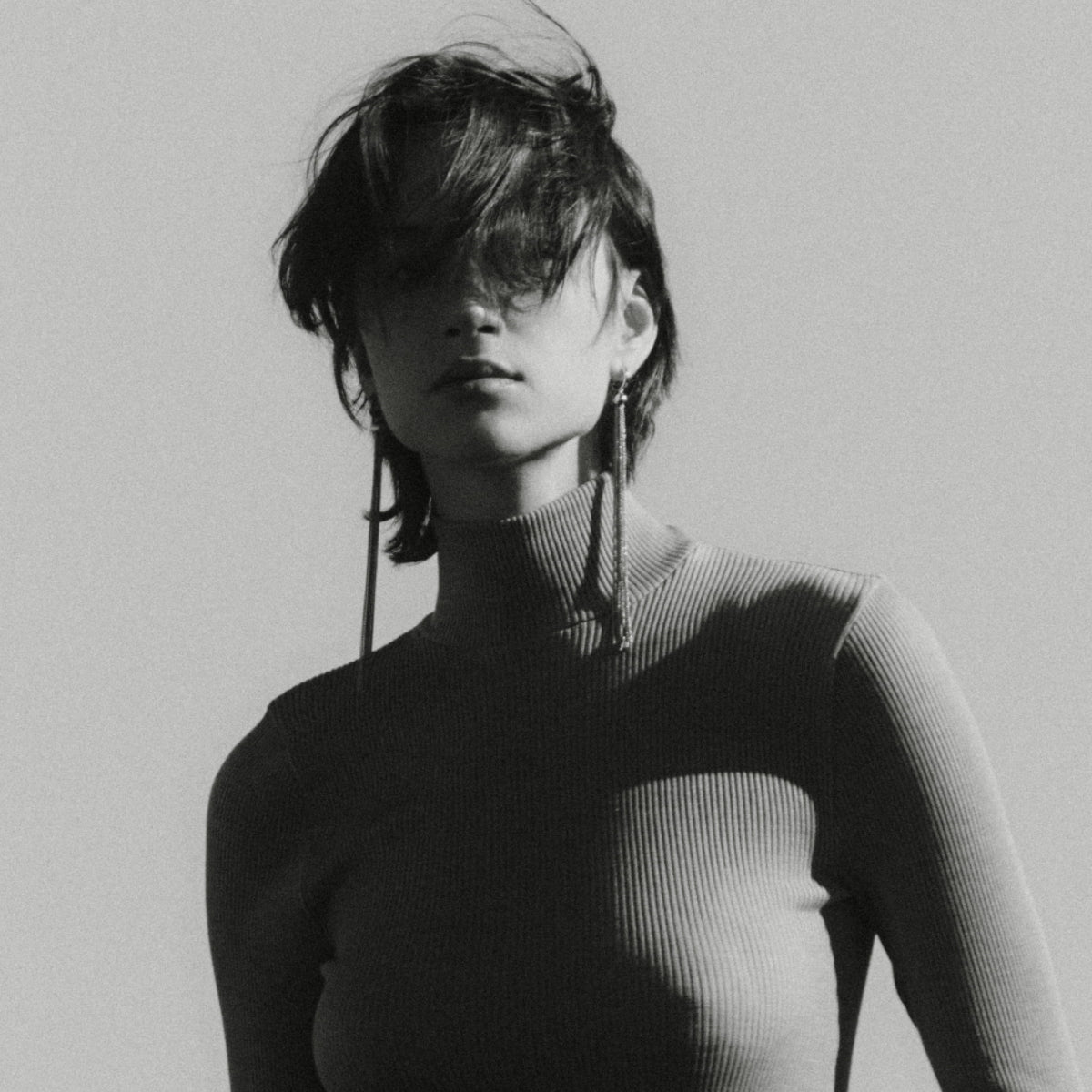
Quiet luxury silhouettes follow the body rather than imposing themselves upon it. Lines may be crisp or fluid, volumes slim or relaxed: what connects them is careful attention to proportion, making a garment elegant without appearing stiff. This balance can be found in a well-cut coat, tailored trousers or a classic turtleneck, which can bring structure or lightness to an outfit through its yarn and construction.

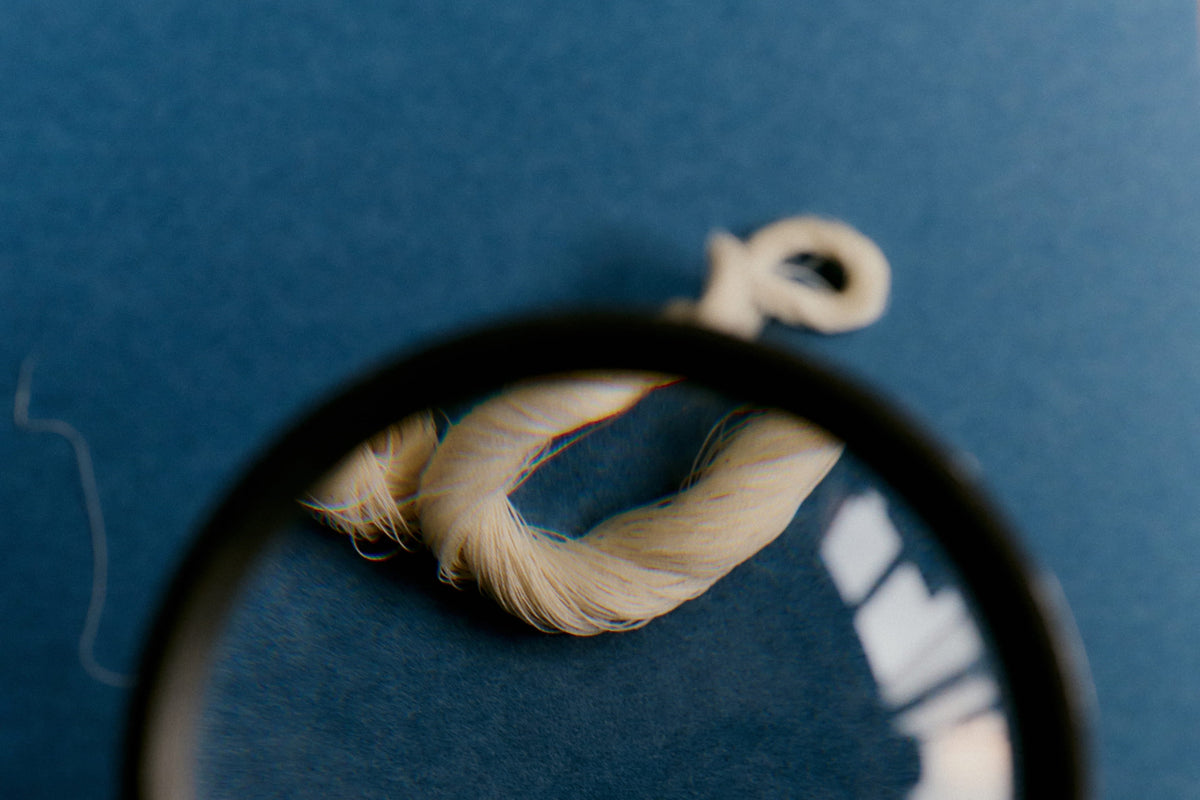
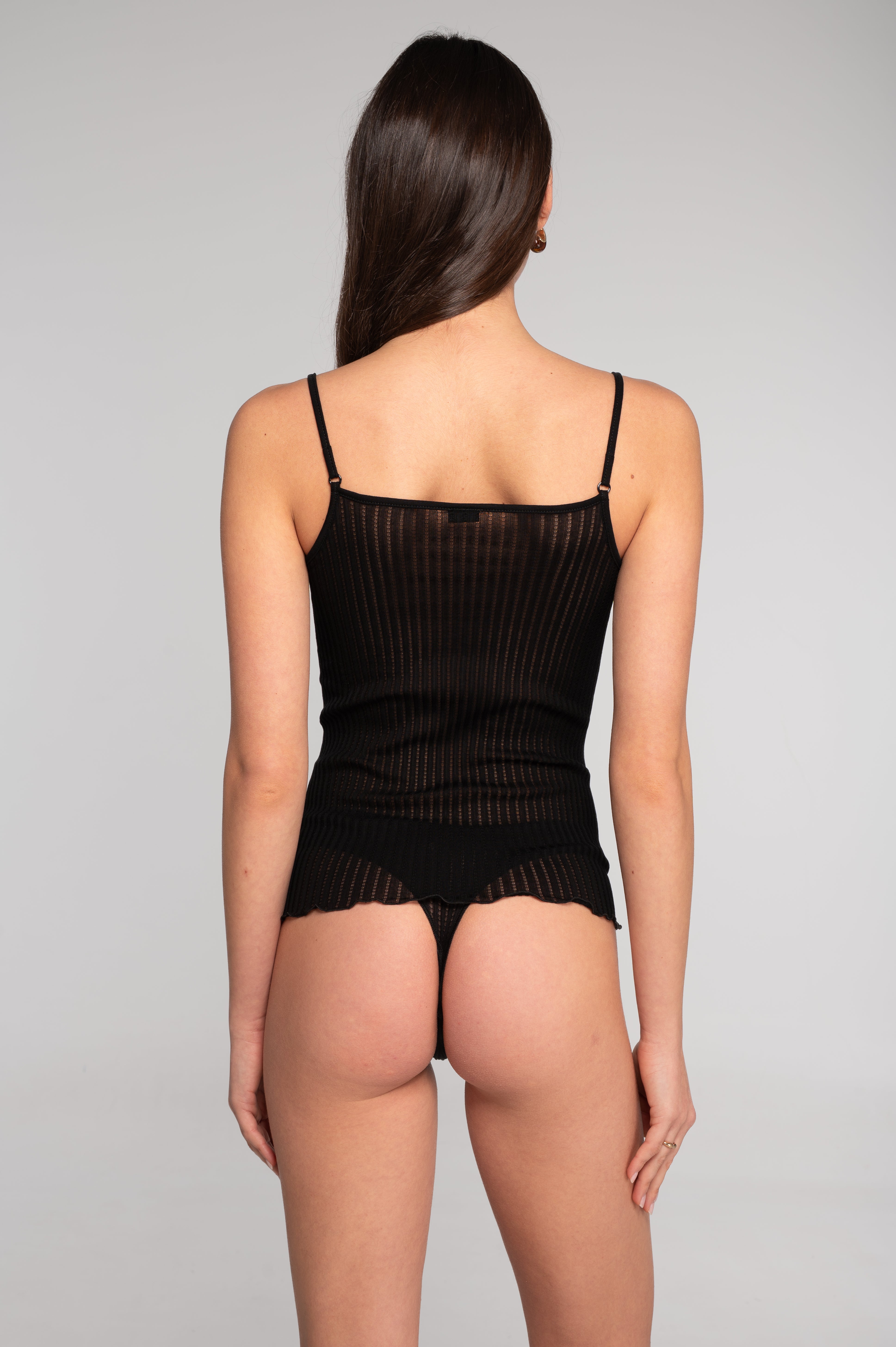
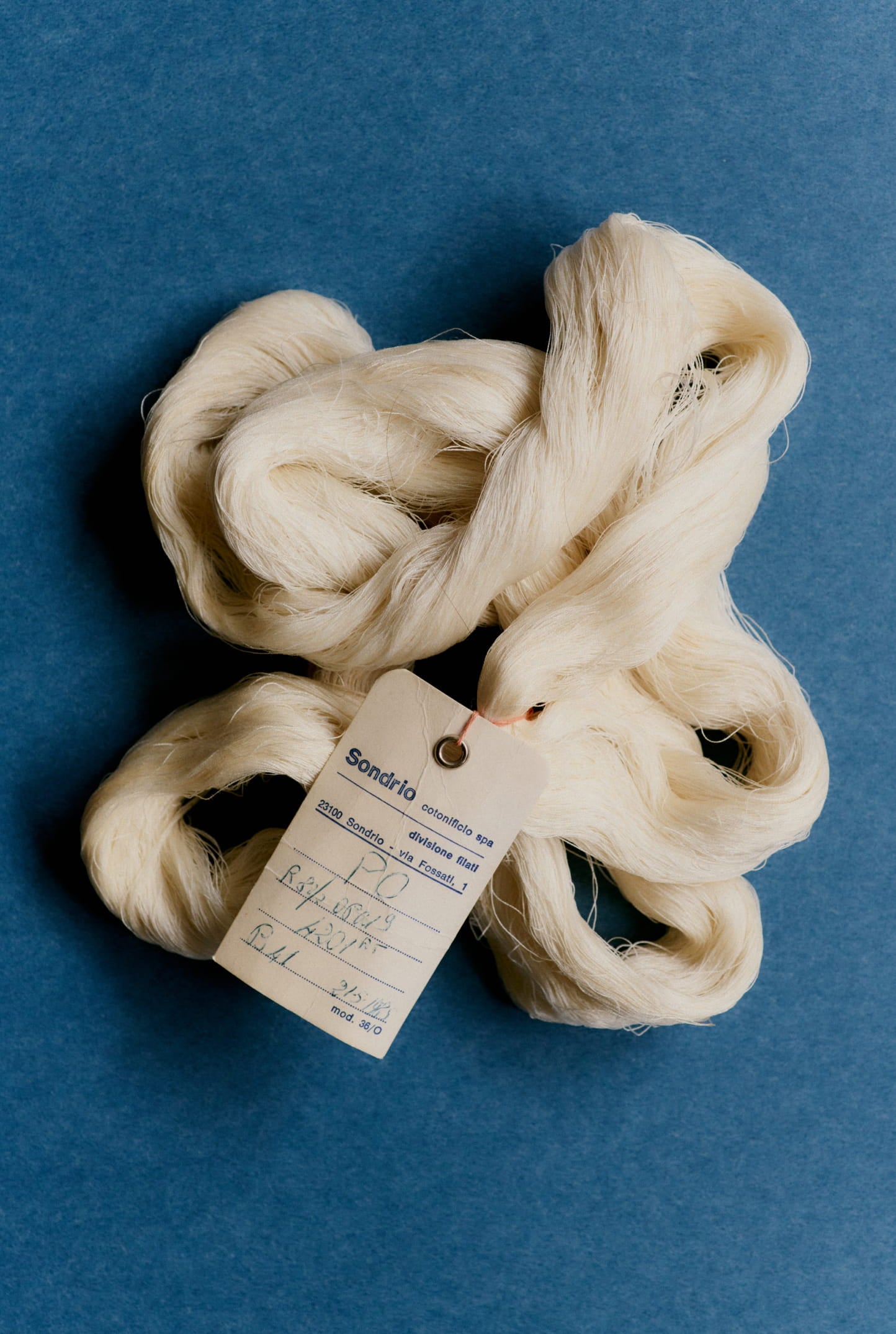
This is why quality plays such a central role in quiet luxury. When a garment forgoes obvious logos and decoration, what remains is its fabric, cut and finishing. Wool, silk, cashmere, cotton and linen are often associated with quiet luxury because they offer sensory qualities that an image alone struggles to convey: softness, lustre, breathability, elasticity and movement.
Fine fabrics, however, cannot be identified simply by the name of the fibre. Its quality, processing, fabric structure and the way the garment has been made all matter. Two pieces of knitwear with the same composition can have very different textures, fits and durability. Simplicity makes these aspects even more important, because it leaves little room to conceal careless construction.
Labels also help us understand what we are buying. Textile products sold in the European Union must state their fibre composition, as explained by the official Your Europe portal. Composition, however, is only a starting point: it does not, on its own, reveal the material's provenance, the quality of the yarn or the precision of the garment's construction.
Seams, hems, pattern alignment, shape retention and the inside of a garment deserve attention too. Quiet luxury owes its appeal to these silent elements. It asks to be discovered through experience, rather than recognised from a distance: when fabric meets skin, when a garment follows the body and when it retains its balance after many wears.
The contradiction of an aesthetic that went mainstream
The success of quiet luxury had an inevitable effect: its codes became accessible without buying luxury products. A pared-back silhouette, a neutral palette and the absence of logos can be recreated at any price point. In a photograph, two outfits with vastly different prices can look almost identical.
This helped make the phenomenon popular, but weakened its original function. If anyone can reproduce the image of quiet luxury, that image no longer suffices to signal belonging or wealth. Distinctive codes must then move deeper: into the provenance of a fabric, the rarity of a technique, service, personalisation or the knowledge required to recognise a product.
The democratisation of an aesthetic does not eliminate economic differences; it simply makes them less visible. A coat costing a few hundred euros may resemble a far more expensive one, while differing in raw material, construction, supply chain and longevity. At the same time, it would be wrong to assume that a higher price automatically guarantees better quality. Quiet luxury calls for an informed eye precisely because it should not rely on a brand name alone.
There is also a cultural contradiction. Quiet luxury is often presented as a rejection of ostentation, yet remains tied to a system of social signs. The absence of a logo may seem more refined, but it still sends a message: it suggests that the wearer does not need others' approval, or belongs to a group able to recognise less obvious codes.
Research on brand prominence helps explain this mechanism. A signal does not disappear when it becomes discreet; its audience changes. A logo speaks to everyone. A cut, a bag recognisable only by its shape or a particular quality of cashmere speaks to a few. Discretion can be elegant, but it can also become an even more sophisticated form of exclusion.
The relationship with sustainability is equally open to question. Buying less, choosing better and wearing clothes for longer are consistent with timeless fashion. The Ellen MacArthur Foundation emphasises the importance of designing high-quality, durable clothing that can be worn in different ways. In this sense, Oscalito represents an authentic expression of quiet luxury: alongside understated elegance and garments designed to transcend the seasons, it makes a tangible commitment to environmental, social and governance issues, documented each year in its Sustainability Reports.

This is precisely the point: a restrained aesthetic does not automatically make a product responsible. A beige garment is no more sustainable than a red one; expensive knitwear is not necessarily traceable; a minimalist collection can be produced according to the same fast-moving logic as any other trend. Verifiable information about supply chains, materials and production is needed. Sustainability is not a visual impression. Perhaps the sharpest contradiction is this: quiet luxury encourages us to step away from trends, yet has become a trend itself. If a garment is chosen only because it looks “quiet” today, it risks being discarded when noise becomes desirable again.
A passing trend or a new idea of elegance?
Like every aesthetic that becomes dominant, quiet luxury has begun to show signs of saturation. After seasons of grey, beige, crewneck knitwear and restrained silhouettes, fashion started seeking colour, decoration and personality again. In 2025, Vogue observed that the spread of quiet luxury had helped make style more uniform, prompting a desire for renewed individualism.
This does not mean the phenomenon is simply over. It is more likely that two elements which seemed to coincide for a few years are beginning to separate: the recognisable quiet luxury aesthetic on the one hand, and the principles that made it desirable on the other.
Its visual uniform may lose its appeal. Head-to-toe beige, strictly logo-free bags and the idea that every outfit must look impeccably controlled may give way to more expressive forms. Fashion moves in cycles: after a long period of restraint, the return of colour and decoration is almost inevitable.
What may remain is the search for materials that feel good, the desire to shop more thoughtfully, an interest in craftsmanship and a preference for garments that can live beyond a single season. These qualities do not belong exclusively to quiet luxury. They can coexist with prints, rich colours, lace and more visible details. Quality does not always have to wear beige. True simplicity is not about removing things indiscriminately, but understanding what deserves to remain.
Being chic does not mean conforming perfectly to an aesthetic. It means knowing your body, choosing colours and shapes that flatter it, and allowing clothes to become part of real life without dominating it. Perhaps the most interesting legacy of quiet luxury lies in the question it has left open: what makes a garment valuable when a logo is no longer enough to tell its story? The answer lies neither in a particular palette nor in a price, but in the combination of all the elements that make a garment well made.
The phenomenon may change its name or be replaced by a livelier aesthetic. But the desire for an elegance that makes its presence felt without constantly asking to be seen is unlikely to disappear. True quiet luxury, ultimately, is not about looking wealthy. It is about refusing to let a trend decide what has value.