









HOW WE WORK
Manufacturing Excellence
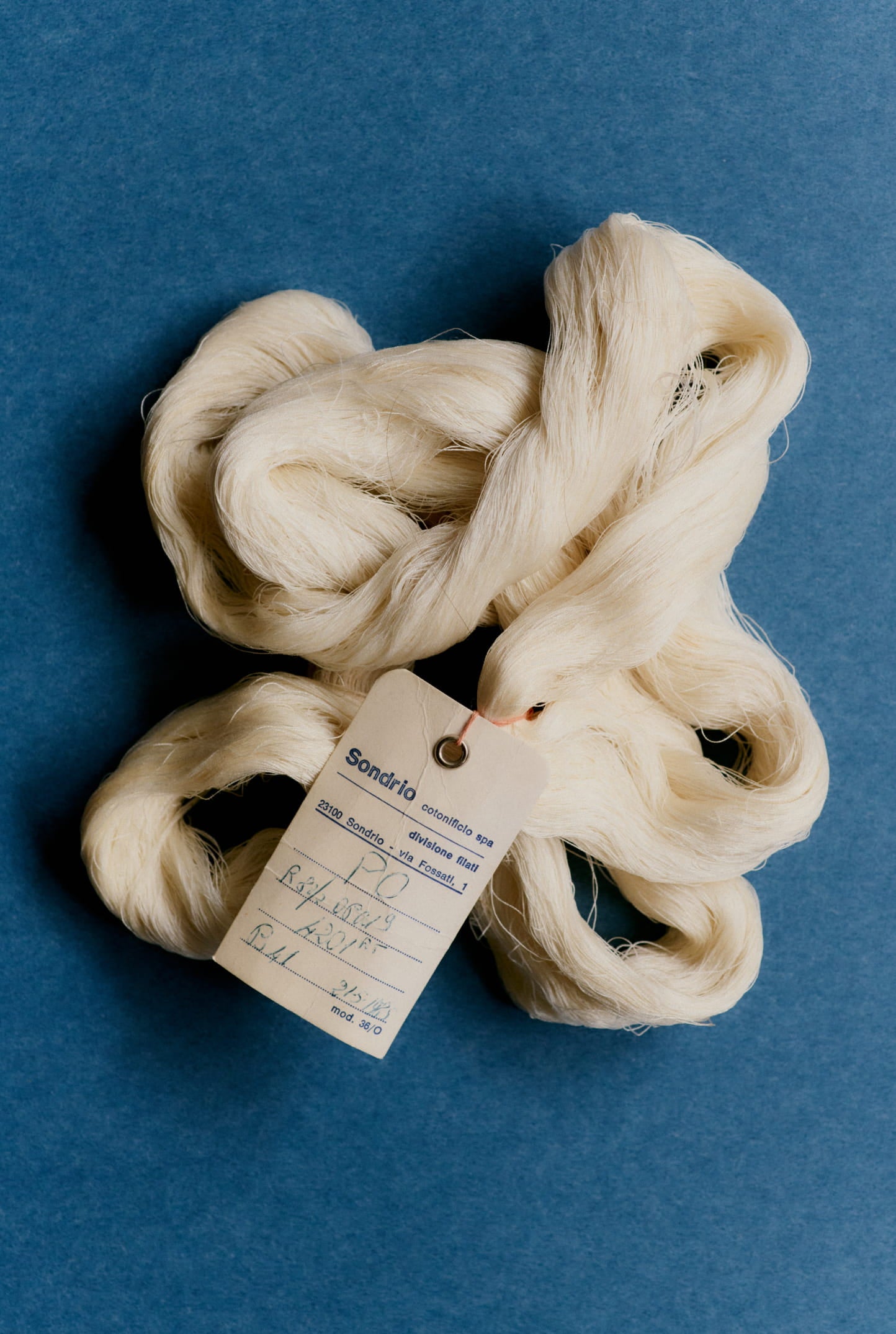
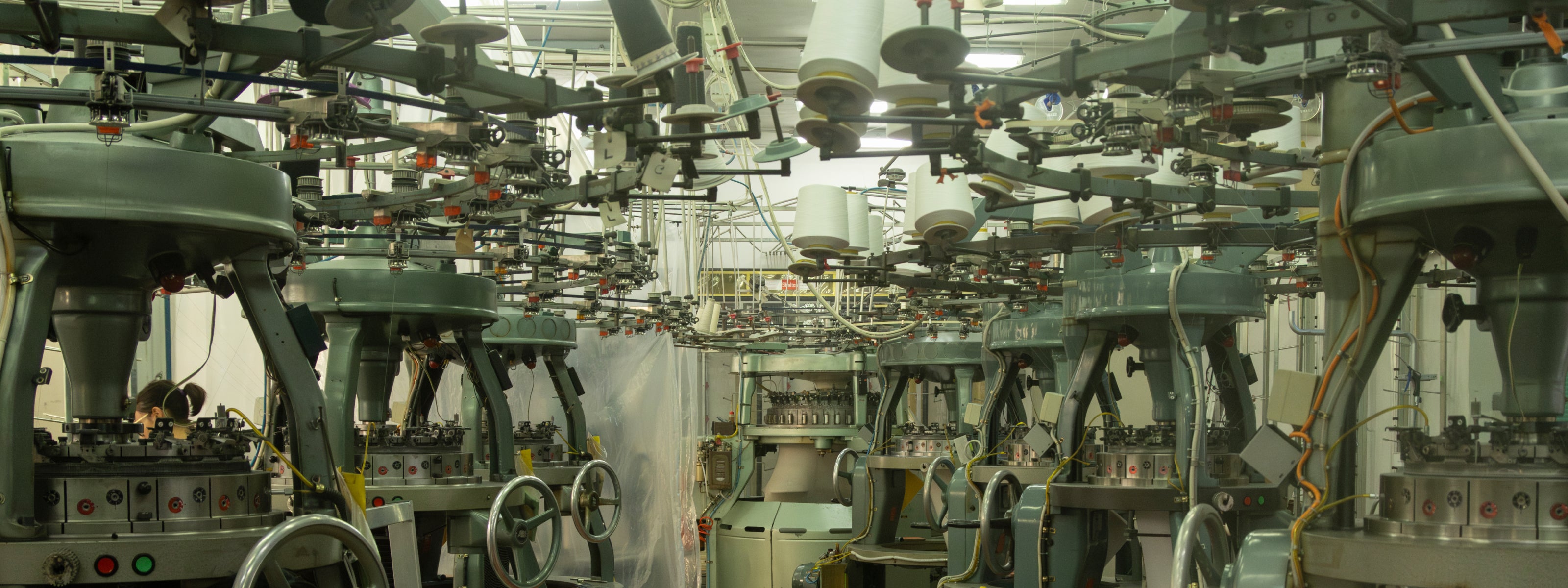
Thanks to the vertical integration of processes at its Turin headquarters (with the exception of dyeing and spinning), the company ensures control, efficiency, waste reduction, and stylistic coherence with the brand’s identity. Oscalito produces 88% of its garments using circular textile machines from the 1930s, chosen for their mechanical operation that does not stress the yarn.
NATURE CLOSE TO THE SKIN
We use only natural or naturally derived fibres, chosen to respect both your skin and the environment. They are breathable, protective and long lasting.
ITALIAN CRAFTSMANSHIP
From weaving to finishing, every piece is made in our Turin facility. Skilled hands, time and artisanal knowledge come together to shape true quality.
TRANSPARENT SUPPLY CHAIN
With RFID tracking, each product is monitored step by step. A conscious choice that offers genuine transparency and care in every detail.
The Art of Making
Traditional Finishing
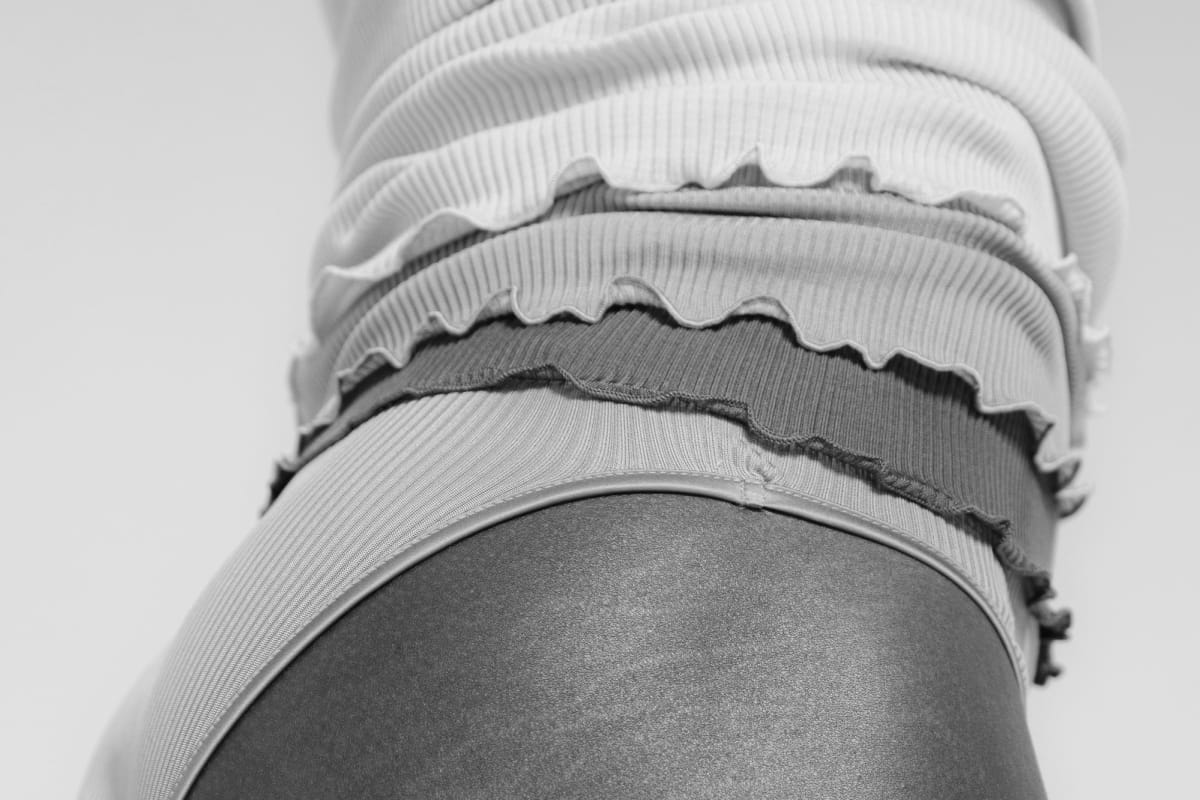
The finishing process is carried out with a moderate sanforizing and drying using a historic machine operated by skilled technicians, to prevent shrinkage during the first wash and ensure the fabric’s stability and softness. The entire process, free from mechanical stress and carefully handcrafted, produces a durable, high-quality fabric that feels pleasant to the touch.
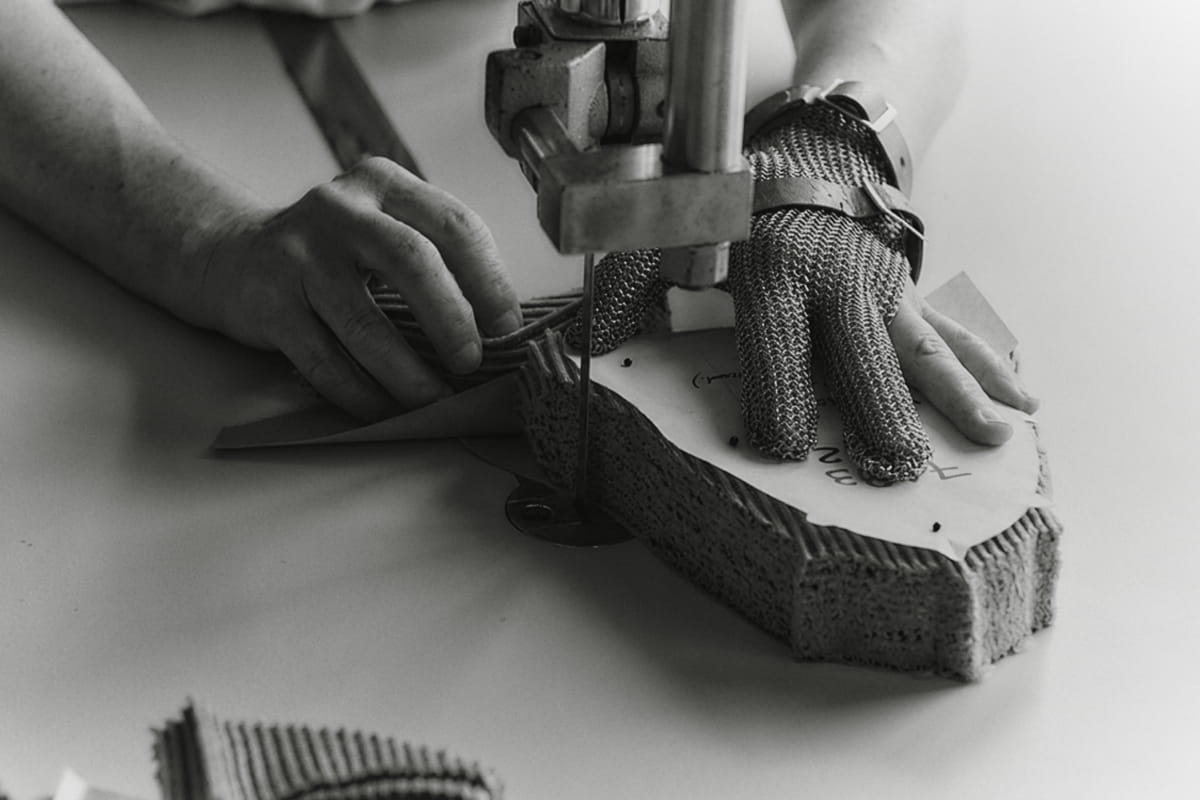
Cutting and Craftsmanship
Fabric cutting is done using two techniques: automatic, with iron blades controlled by computer and without heat to avoid damaging the material; and manual, performed by experienced operators who use paper patterns, blades, and scissors to precisely finish every detail.
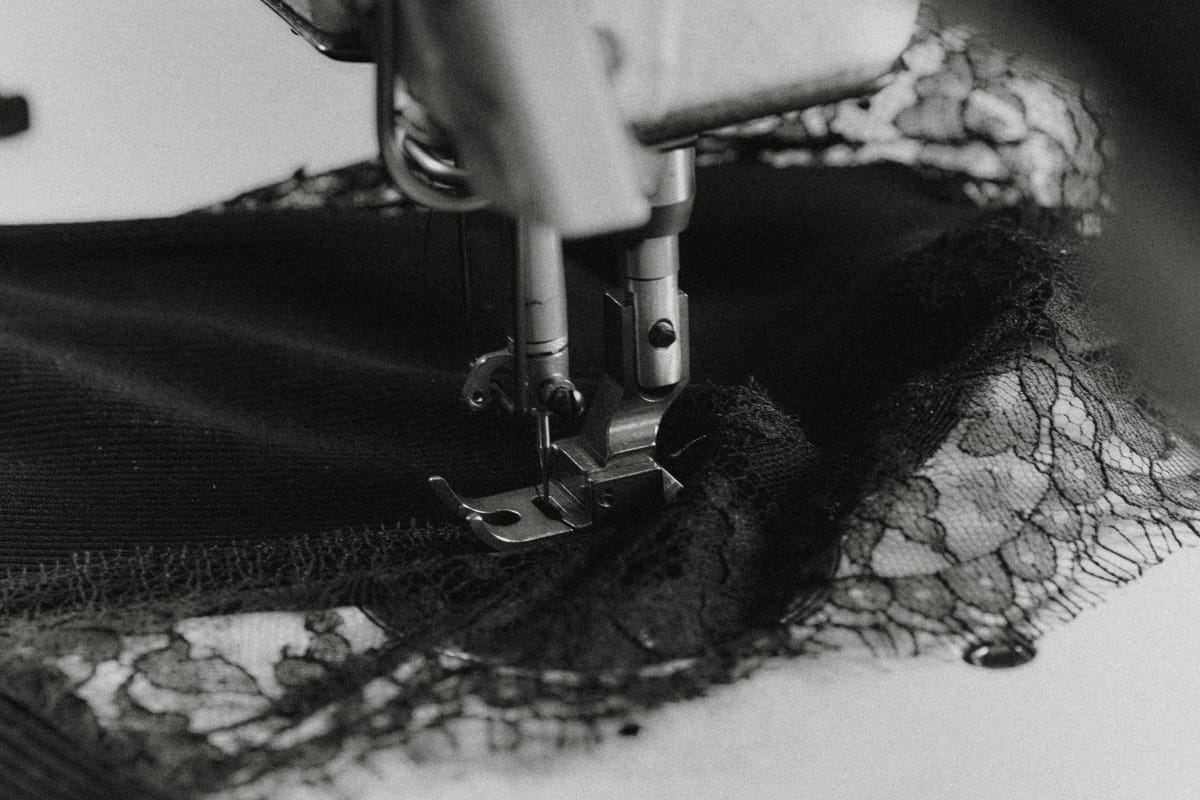
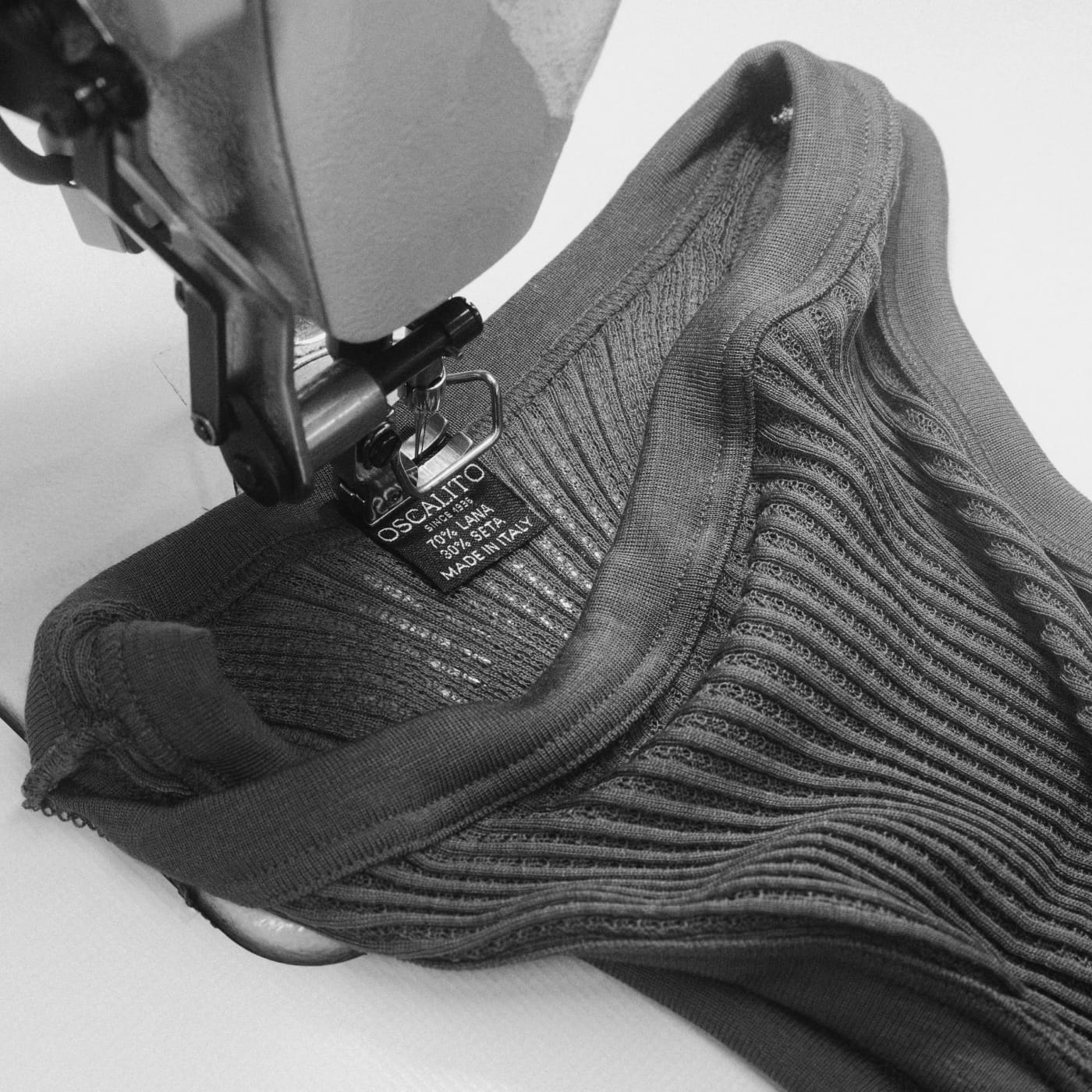
The Art of Sewing
Sewing is entrusted to expert seamstresses who use sewing machines and, in some cases, create hand-stitched details. The addition of fine accessories such as lace contributes to maintaining the brand’s high-quality standards.
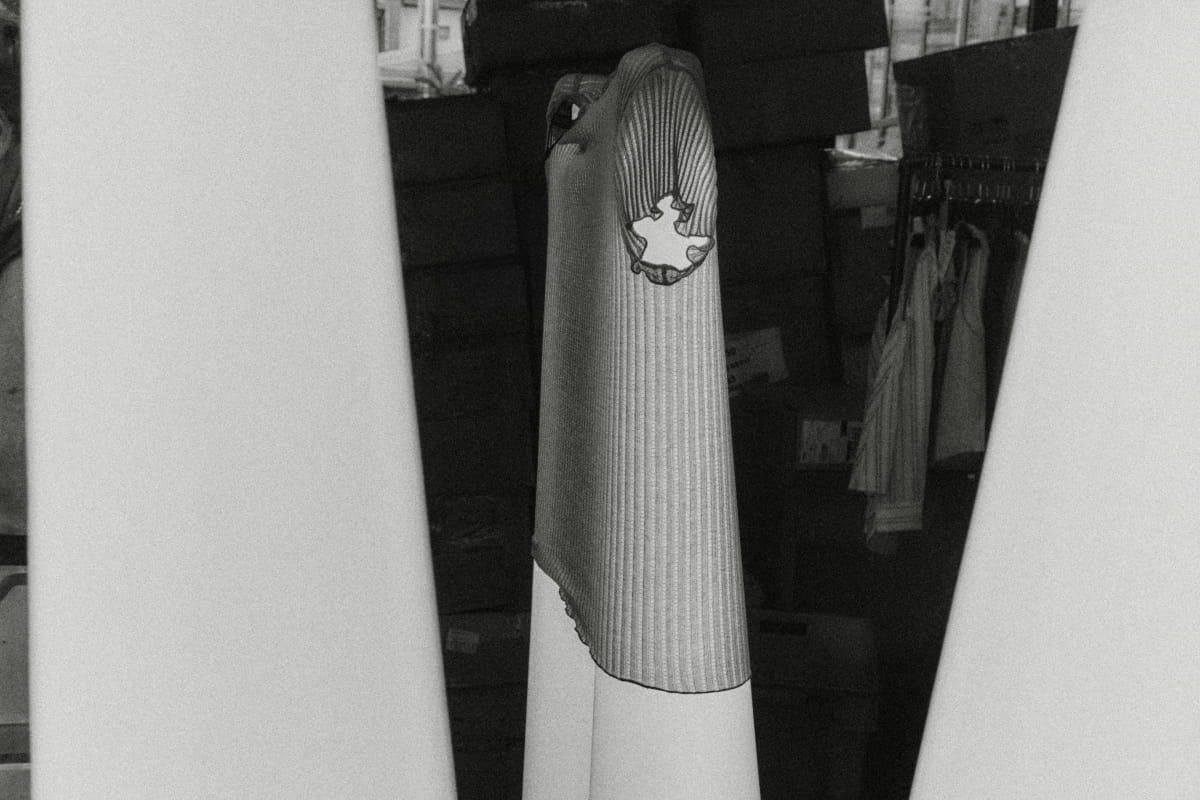
Quality Control and Ironing
Every garment undergoes a rigorous quality control, carried out using a system equipped with two wedge-shaped neon lights capable of detecting even the smallest defects. Once inspected, the garment proceeds to the final ironing stage, performed using heat only, without chemicals, to preserve the fabric’s natural qualities.
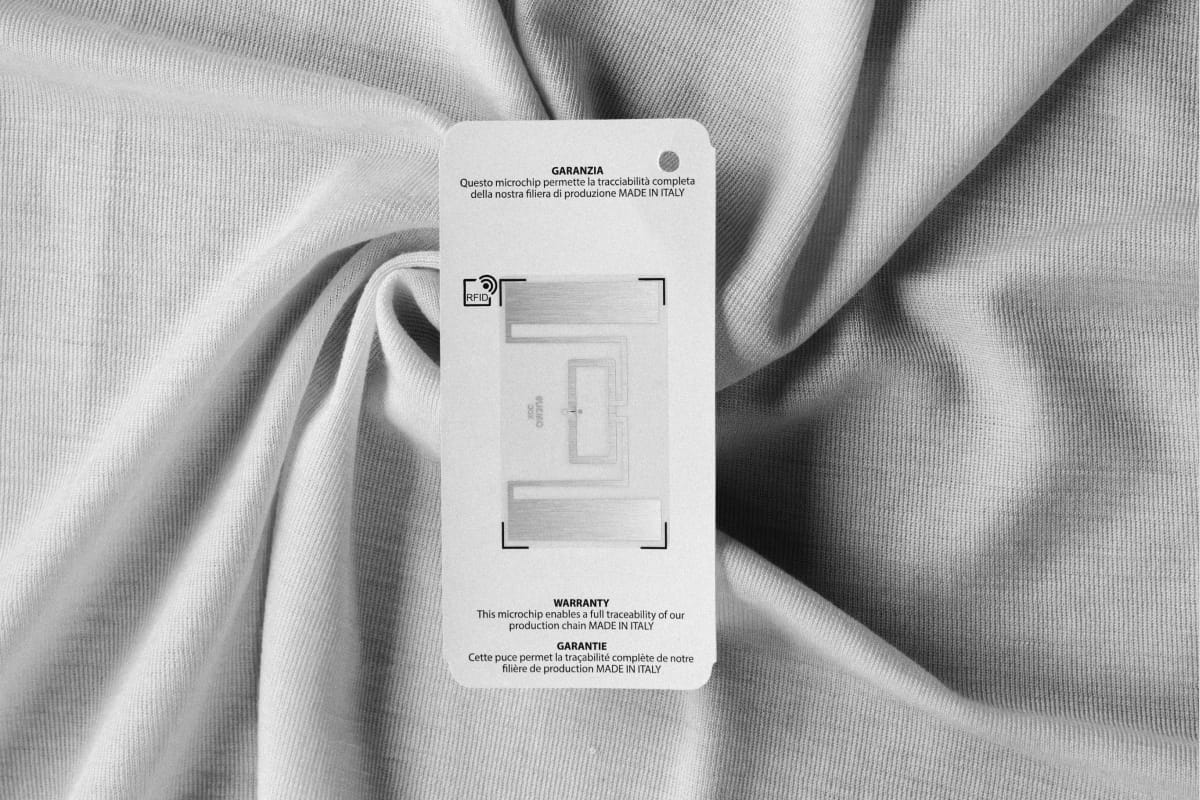
RFID Traceability
Finally, RFID tags are applied to track each garment from production to sale, before packaging and storage in the warehouse.