





Article: Long and short fibres: what a fabric cannot tell you at first glance
Long and short fibres: what a fabric cannot tell you at first glance
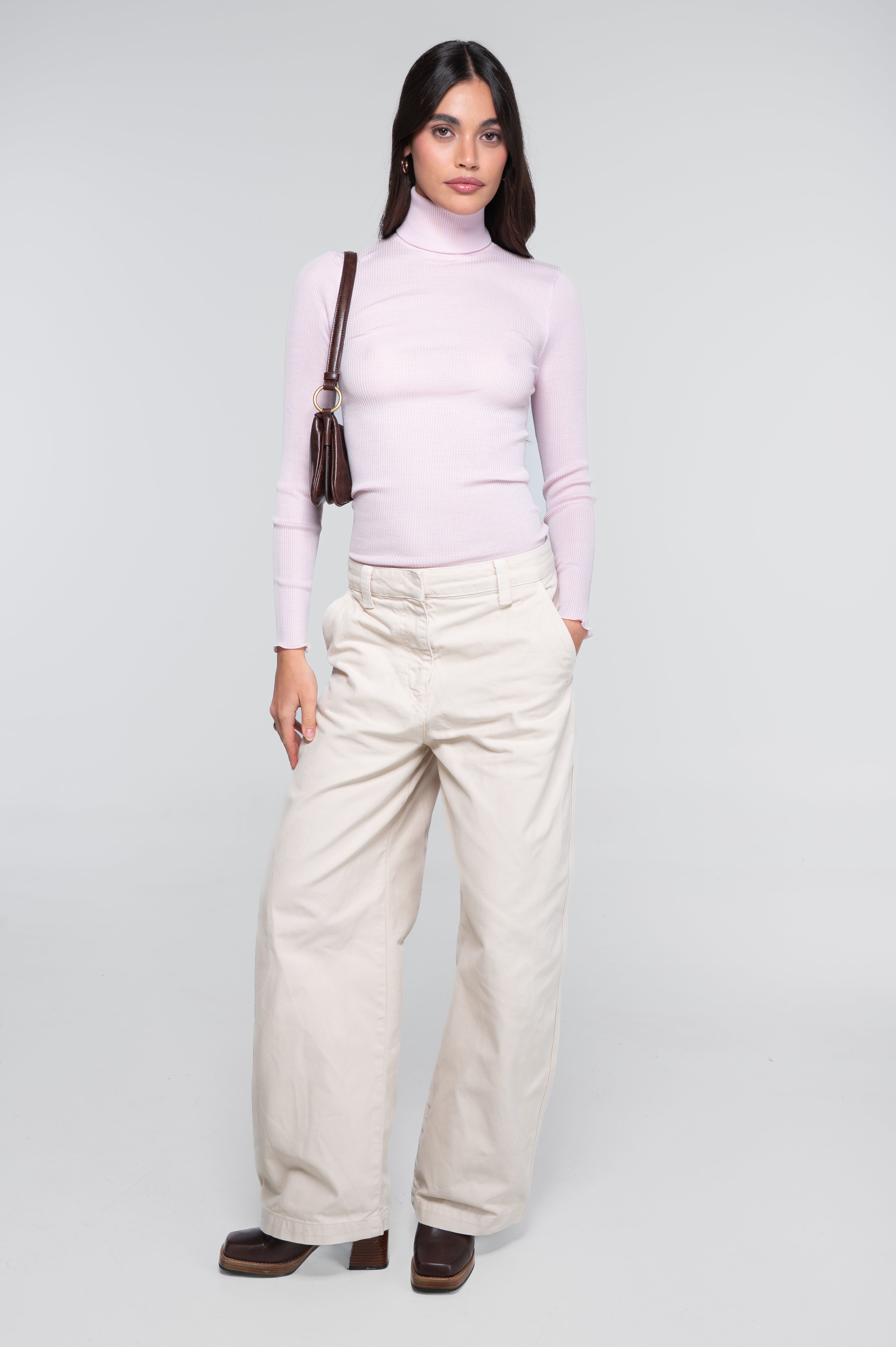
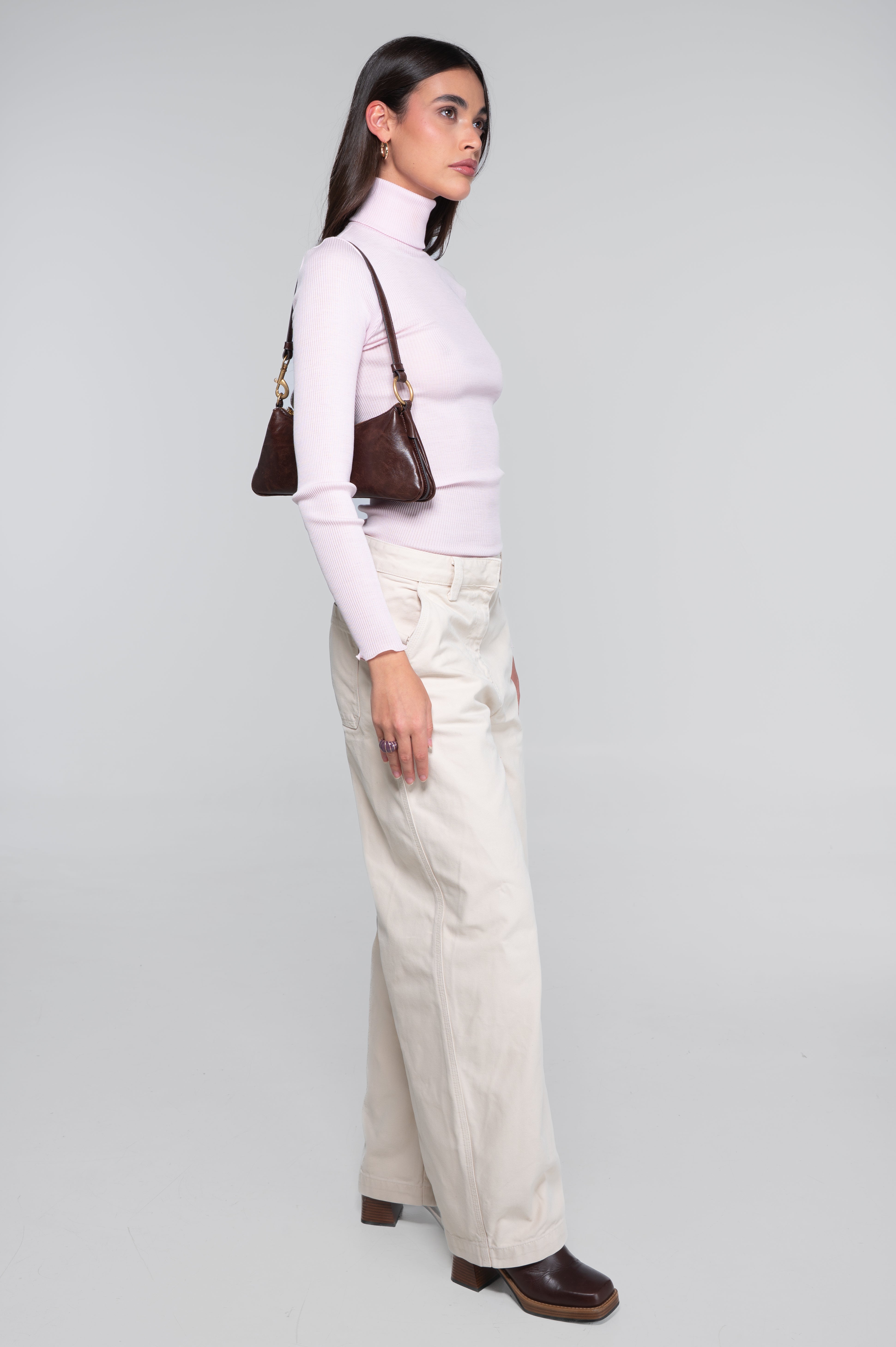
You can often sense the quality of a fabric before you know what it is made of. It reveals itself in the evenness of its surface, the way a garment glides over the skin and its ability to retain its shape and beauty over time.
Yet two fabrics made from the same material can feel and perform very differently. One cotton fabric may remain smooth after countless washes, while another quickly loses definition; one wool fabric may retain a neat, compact surface, while another soon develops fuzz in areas exposed to friction.
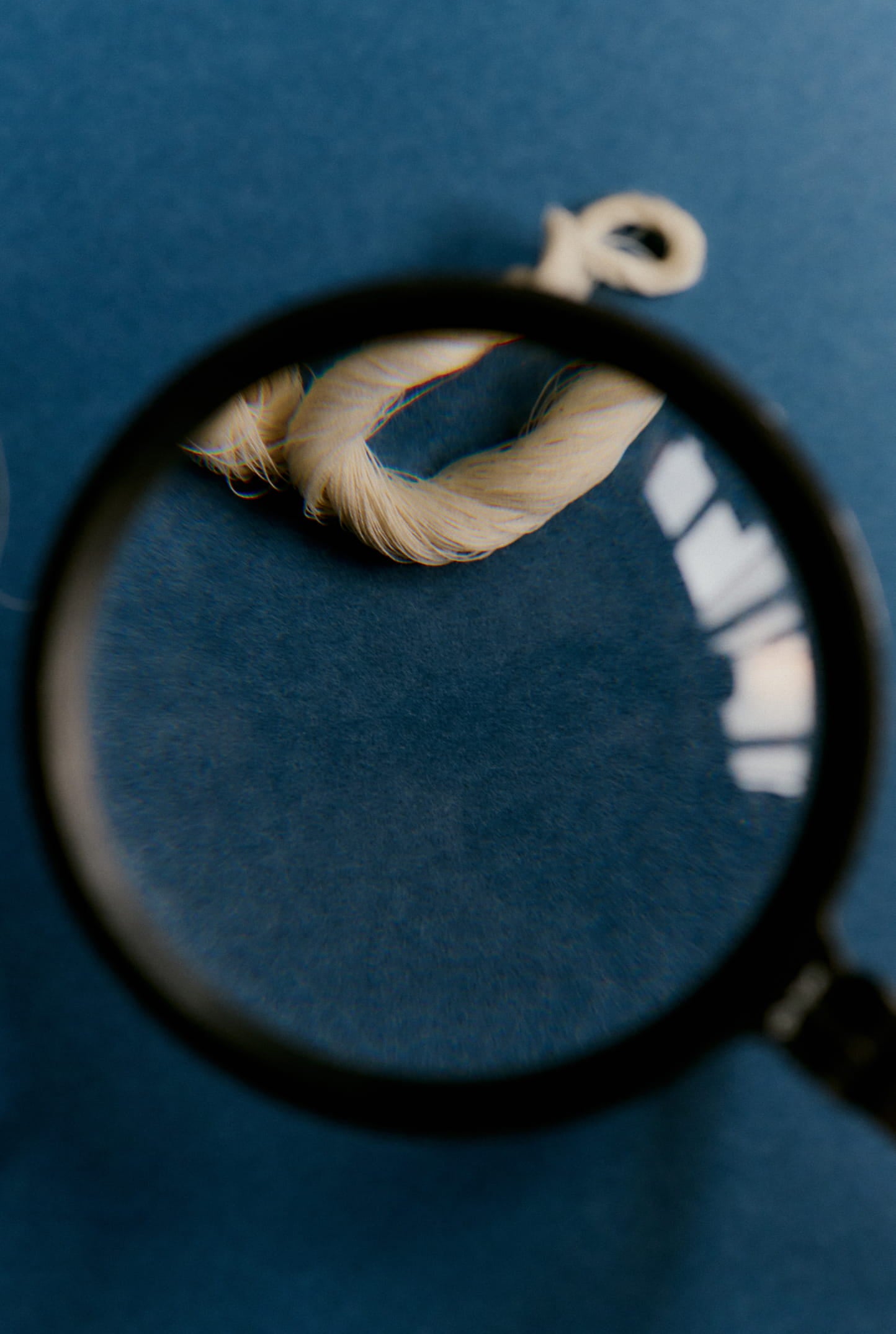
One reason for these differences lies in a characteristic that is difficult to see, but crucial during spinning: fibre length. Longer and shorter fibres overlap and hold together differently, influencing the strength of the yarn, the evenness of the fabric and its appearance over time.
Understanding the distinction between long and short fibres allows us to look beyond the material named on a label. Let us explore how textile fibre length influences yarn, the qualities it brings to a fabric and why it is only one of the factors to consider when assessing a garment's quality.

Table of Contents
- What are textile fibres, and why does length matter?
-
Long and short fibres: what is the real difference?
- How fibre length shapes a yarn
- Cotton, wool, linen and silk: each fibre has its own length
- Do long fibres always mean better quality?
- Recognising quality beyond the label
What are textile fibres, and why does length matter?
Every fabric begins with very fine elements that are woven, knitted or bonded through other processes. These are textile fibres: flexible structures whose length is far greater than their diameter. They may come from plants or animals, be made by processing cellulose or be produced through chemical synthesis.
Natural textile fibres include cotton, linen and silk, for example. Each has its own characteristics, determined by its origin, chemical structure and shape. Cotton grows around the seeds of the plant, linen comes from the stem of the flax plant, wool grows as an animal's fleece, and silk is produced by the silkworm as a continuous filament.
Length is just one of the properties used to assess a fibre, alongside fineness, strength, elasticity and uniformity. It does, however, play a key role in spinning: to produce a stable yarn, fibres must be arranged in an orderly way and held together by twist. The greater the length over which they overlap, the more cohesion the yarn can achieve.
Longer fibres generally make it possible to produce fine, even yarns with less twist. Shorter fibres need more points of contact and often a higher degree of twist to hold together. This can affect both appearance and feel: smoother, more clearly defined surfaces on the one hand, and fabrics with a fuller, warmer or slightly fuzzy feel on the other.
Length also influences how fibres behave during processing. For cotton, CottonWorks, Cotton Incorporated's technical platform, identifies staple length as an essential parameter because it affects yarn strength and evenness, as well as spinning efficiency. Knowing the name of the raw material is therefore not enough: significant differences can exist within the same fibre family.
Long and short fibres: what is the real difference?
The terms long and short fibres refer to the physical length of the individual elements to be spun. In technical language, fibres of a finite length are known as staple fibres. Cotton, wool, linen and cashmere generally fall into this category, although their lengths can vary considerably.
There is no universal threshold separating all long fibres from short ones. The classification depends on the material and the processing system. A fibre considered long in cotton may be relatively short compared with a wool or flax fibre. Meaningful comparisons must therefore be made between fibres of the same type.

It is also important to distinguish long fibres from continuous filaments. Textile Exchange defines a staple fibre as one of limited or finite length, while a filament is a fibre of virtually unlimited length and is therefore continuous. This distinction avoids a common misunderstanding: even a very long staple fibre has a defined length, whereas a filament extends continuously.
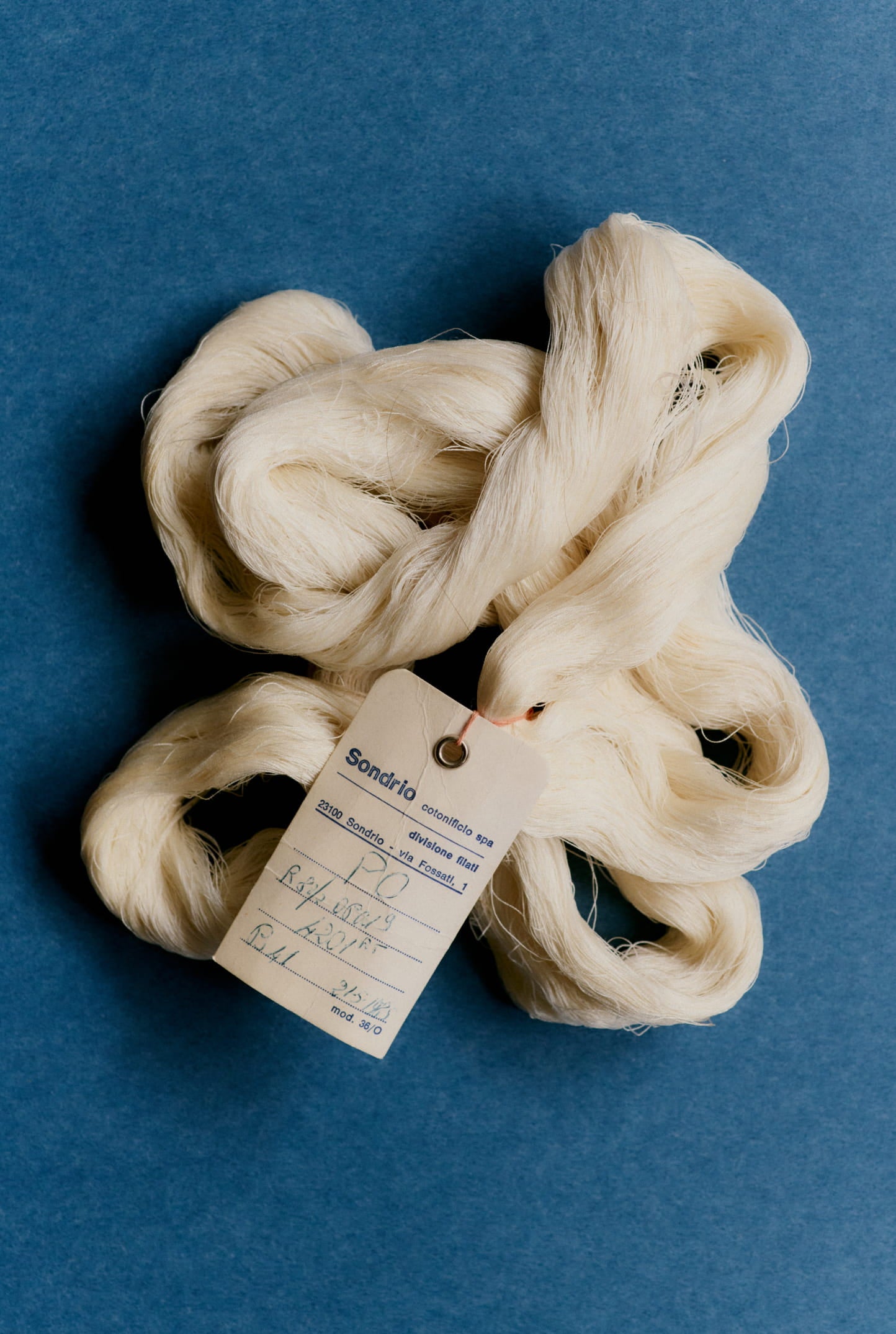
Silk is the best-known exception among natural fibres. The silkworm forms its cocoon from a single filament, which can be reeled and processed while preserving much of its continuity. This gives silk its naturally even surface and distinctive ability to reflect light.
Many man-made fibres, whether regenerated or synthetic, can also be produced as continuous filaments. These may then be cut into predetermined lengths to reproduce the structure and processing properties of natural staple fibres. Origin, length and physical form are therefore three separate criteria: a synthetic fibre can be continuous or cut, just as a cellulosic fibre can be produced in either form.
How fibre length shapes a yarn
Before becoming fabric, staple fibres undergo several processes. They are cleaned, opened and aligned, then formed into increasingly even slivers, drawn out and finally twisted. Throughout this process, longer fibres tend to overlap over greater distances and hold together more securely.
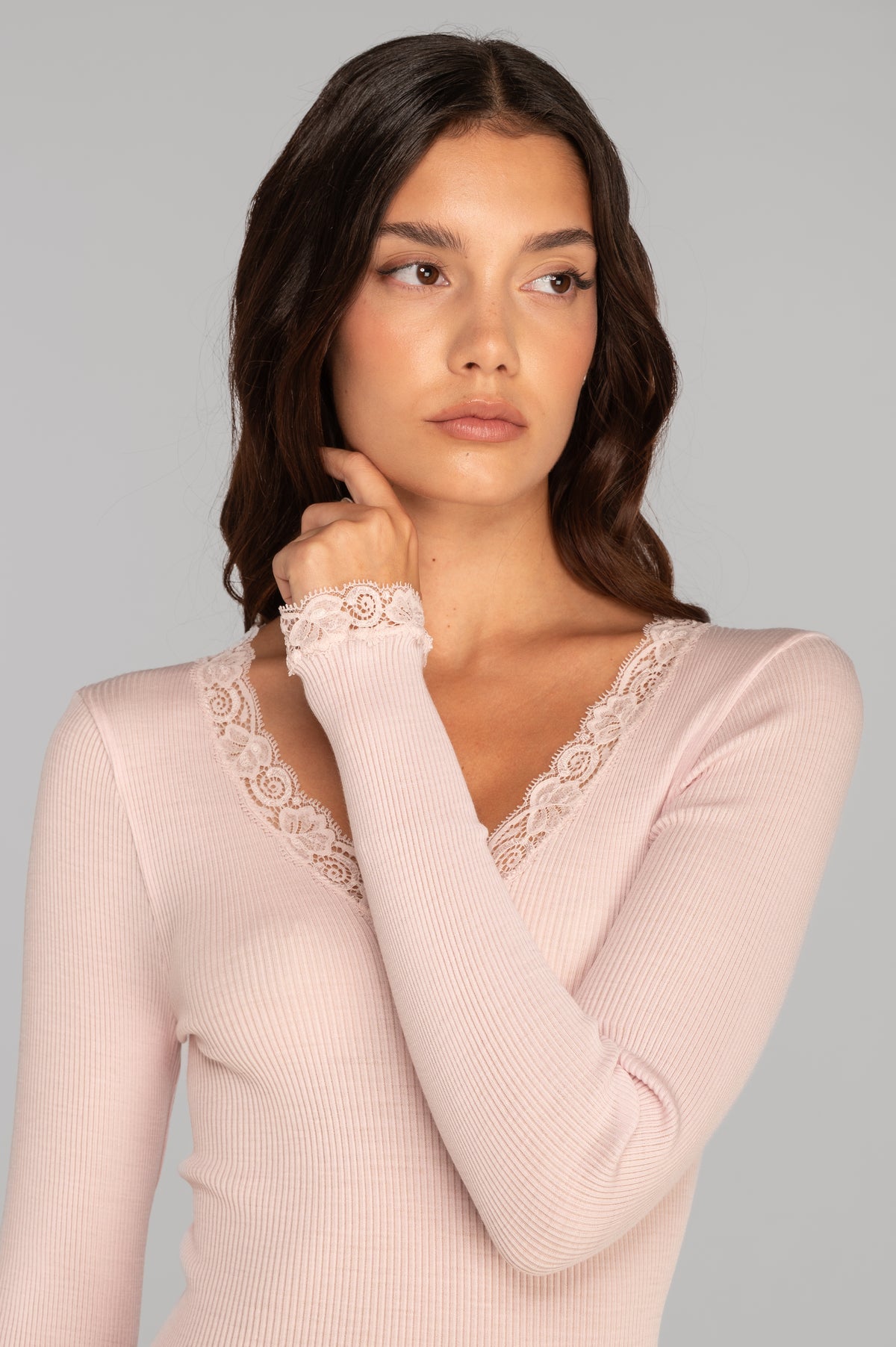
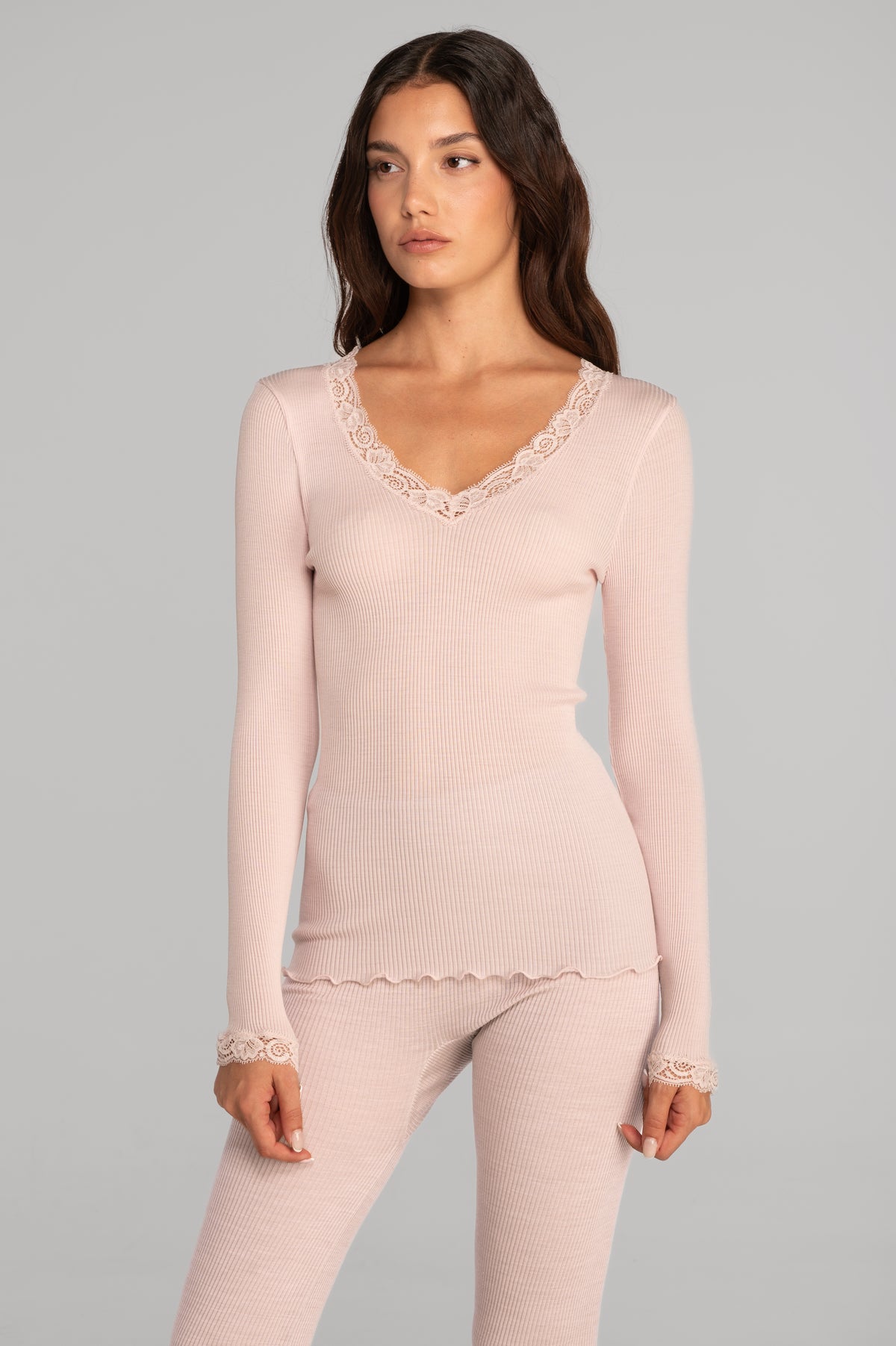
The resulting yarn can be more even, strong and compact. With fewer protruding fibre ends, its surface is often smoother. Light encounters fewer irregularities and is reflected more evenly: this is one reason why some fabrics made from long fibres look particularly smooth and lustrous, even without elaborate finishing treatments.
Short fibres, by contrast, create more free ends along the yarn. These can add volume and a pleasant feeling of warmth, qualities sought after in many winter fabrics. If the raw material lacks uniformity or the spinning is not carefully controlled, however, these ends may work their way out more easily, creating surface fuzz and encouraging small tangles to form.
This is known as pilling. Friction lifts fibres from the fabric and tangles them into visible balls. Fibre length influences the process, but it is not the only factor: fibre strength, yarn twist, fabric structure and the stresses a garment is exposed to all play a part. Even long fibres can produce pilling if the yarn or construction is not suited to the intended use.
Greater evenness can also make it possible to produce finer yarns while maintaining good strength. This opens the way to lightweight, compact fabrics that rest gently against the skin without being fragile. Perceived quality comes from this balance: a small amount of carefully selected material can feel richer than a bulky yarn made from uneven fibres.
Length also affects spinning yield. If many fibres are too short, some may be removed during combing or lost at other stages of processing. Raw material made up of long, uniform fibres makes it easier to produce consistent yarns. Woolmark notes, for example, that recycled wool fibres are often too short to be spun on their own, so they are blended with longer fibres to give the yarn sufficient strength.

Cotton, wool, linen and silk: each fibre has its own length
Natural textile fibres share a plant or animal origin, but follow very different paths before becoming fabric. Their length may depend on the plant variety, its growing conditions, the characteristics of the animal or the way the material is harvested and processed. Discussing long and short fibres without taking the material into account can therefore give an incomplete picture.
Cotton and the fineness of longer fibres
In cotton, length is one of the best-known and most widely assessed characteristics. Long-staple and extra-long-staple varieties make it possible to produce fine, even yarns for fabrics that are soft, strong and pleasant against the skin. Their fibres overlap more effectively during spinning and need less twist to achieve good cohesion.
Pima and Egyptian Makò cotton are among the varieties prized for the length and fineness of their fibres. CottonWorks defines extra-long-staple cotton as cotton with fibres measuring at least 35 millimetres.
Length must, however, go hand in hand with uniformity. A batch containing very long fibres alongside a large proportion of short ones may produce a less even yarn. Cotton analysis therefore also considers length distribution, fineness, maturity and strength.
Combing aligns the fibres and removes some of the shorter ones. This produces a cleaner, more compact yarn with less tendency to shed fuzz. Carefully selected fibres, combined with skilful processing, contribute both to the fabric's perceived quality and to its performance over time.
Wool: balancing length and fineness
In wool, length matters, but it must always be considered alongside fibre diameter. Very fine wool can feel delicate against the skin; longer fibres can help make a yarn more even and durable. The final quality depends on how these two properties work together.
Long, well-aligned wool fibres are often used in worsted spinning, which produces smoother, more clearly defined yarns. Shorter fibres can be processed using the woollen spinning system, which traps more air within the structure and creates soft, warm fabrics. These two results serve different purposes: worsted yarns favour a smooth finish and fluid drape, while woollen yarns offer substance and insulation.
Cashmere, too, naturally consists of staple fibres. During processing, the finer undercoat is separated from the coarser guard hairs. Selecting fibres by length contributes to yarn quality and can influence its resistance to wear. Cashmere that feels exceptionally soft at first touch but contains too many very short fibres may lose its smooth surface more readily.
Linen: fibres of different lengths from the same stem
Linen belongs to the bast fibre family, obtained from the inner part of the plant stem. After retting and subsequent processing, the longer fibres are separated from the shorter ones. The former can produce fine, strong, even yarns; the latter can be used for thicker yarns or those with a deliberately textured appearance.
Linen's natural variation is part of its character. Small irregularities visible in the yarn do not necessarily indicate lower quality: they may be an authentic expression of the fibre and the way it has been processed. Once again, assessment depends on the desired result and how well the raw material, yarn and fabric work together.
Silk: a filament made by nature
Silk differs from other natural fibres in its continuous structure. When a cocoon is properly reeled, the filaments can be brought together and twisted without the same overlapping required for cotton or wool.
The resulting surface is smooth and interacts with light in a distinctive way. If the filaments are broken or recovered from processing waste, they can still be spun as staple fibres. This produces silks with a more matte appearance and a fuller feel, quite different from continuous-filament silk, yet with a character of their own.
Do long fibres always mean better quality?
Long fibres offer clear advantages when the aim is to produce fine, strong yarns with an even surface. Yet reducing quality to fibre length alone would overlook the bigger picture. Every fabric is designed to serve a purpose and should be judged on how well it fulfils that purpose.
A yarn made from short fibres can be ideal for a soft, lofty, insulating fabric. Protruding fibre ends help trap air and create a cosy feel. For a garment worn directly against the skin, a smoother structure that reduces friction and surface fuzz may be preferable.
A fibre's origin alone does not guarantee a particular level of quality either. Two cottons may share the same generic name yet perform very differently. The same is true of wool, linen and other natural materials. Variety, harvesting, selection and spinning all contribute to the final result.
Fibre length must therefore be considered alongside:
-
fibre fineness and uniformity;
-
tensile strength;
-
the quality of combing or carding;
-
yarn twist and evenness;
-
fabric construction;
-
finishing treatments;
-
the suitability of the material for the garment's intended use.
Nor can sustainability be determined by length alone. Longer fibres may make it easier to produce durable garments, but the origin of the raw material, resource use and traceability also need to be considered. Textile Exchange encourages a broader assessment of materials, encompassing production practices, supply chain integrity and circularity potential, as outlined in its definitions of preferred fibres and materials.
Short fibres can also come from recovered material that would otherwise be discarded. Mechanical recycling, however, tends to shorten fibres further. To maintain good strength, recovered material is sometimes blended with longer fibres. Making the most of a resource while ensuring a product lasts calls for a carefully considered balance, rather than a one-size-fits-all answer.
Recognising quality beyond the label
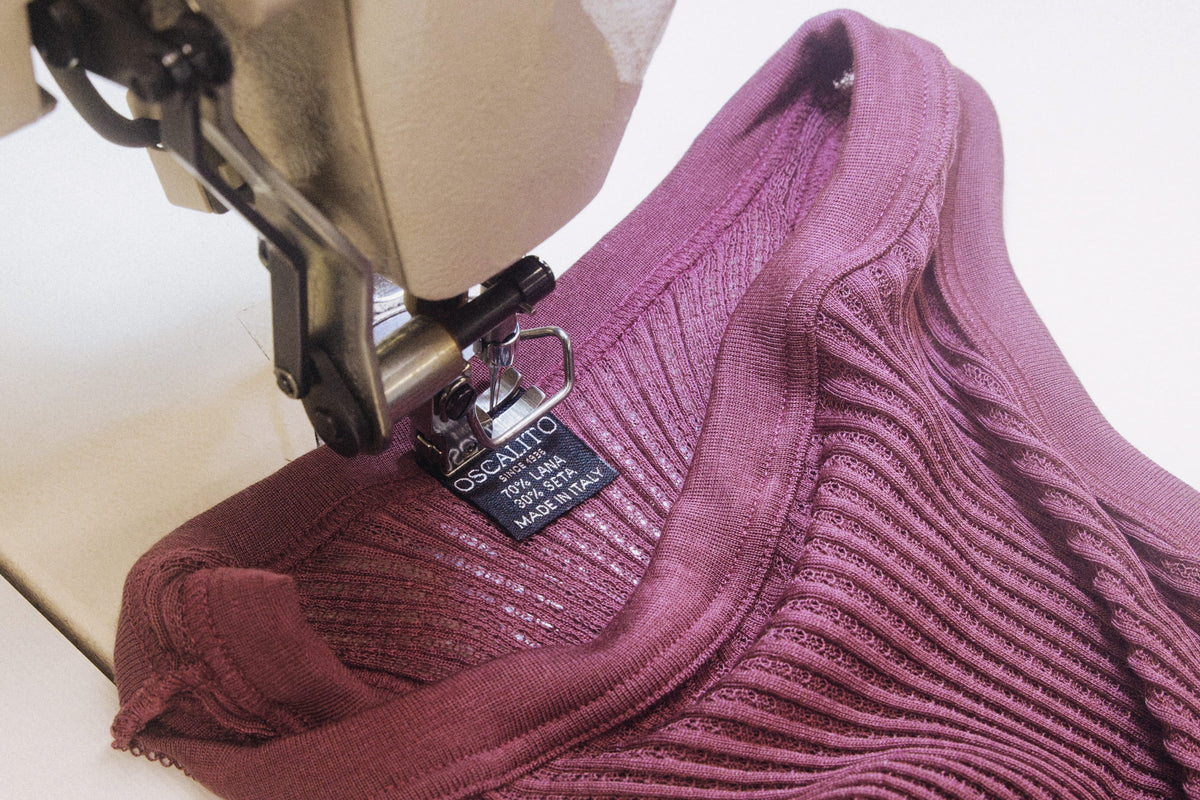
The composition label tells you which fibres are present and in what proportions, but rarely indicates their length. Assessing a garment therefore also means looking closely and using your sense of touch, paying attention to how the fabric responds when it is moved or lightly brushed.
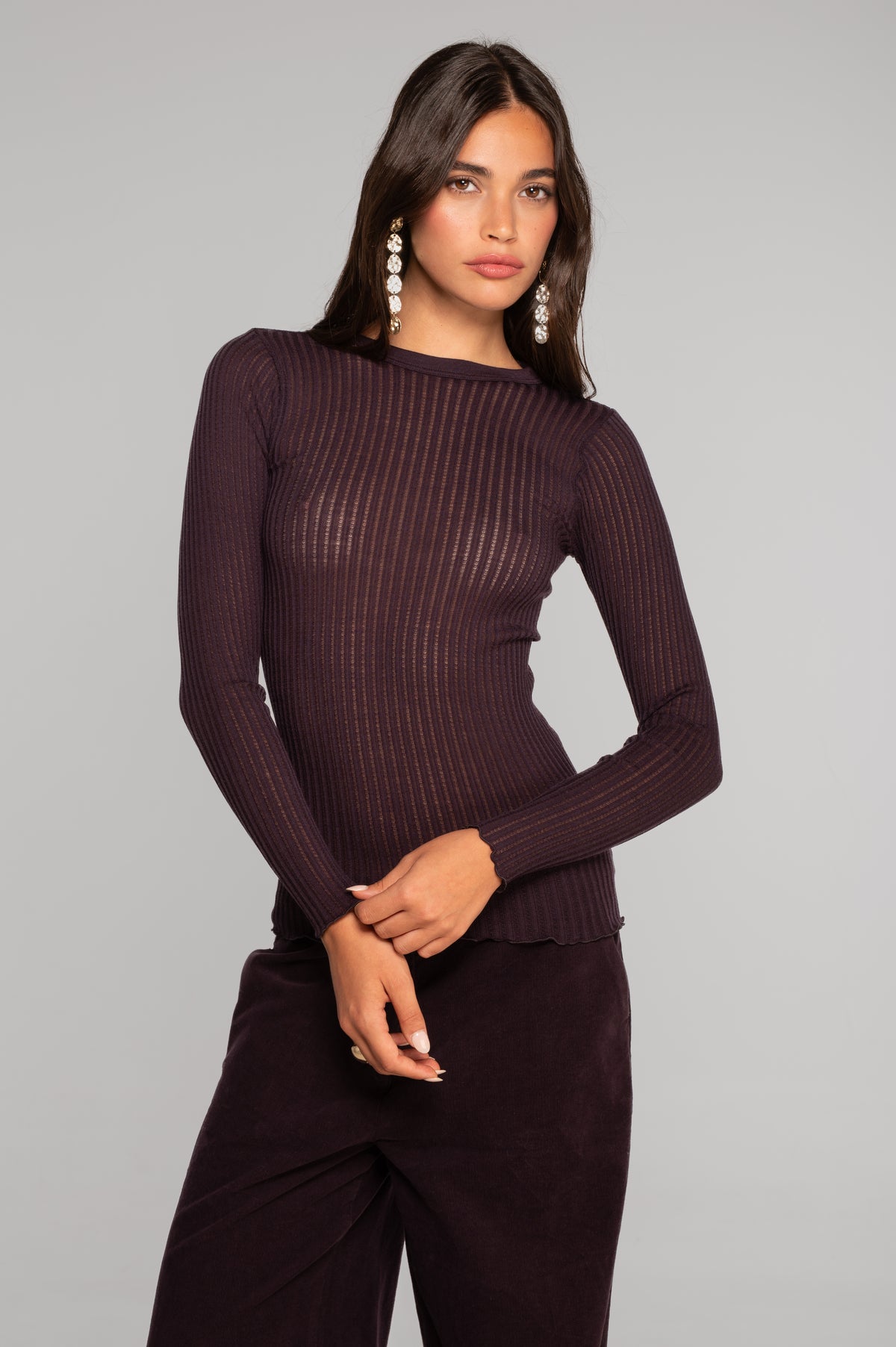
An even surface with few loose fibres may suggest the use of longer fibres or particularly careful processing. The yarn should look consistent, without abrupt changes in thickness unless these are part of a deliberate design choice. Slight irregularities, especially in linen or certain woollen-spun yarns, may be entirely natural.
It is also worth looking at areas exposed to greater friction, such as the sides, inner sleeves and edges. If a new garment already has an excessively fuzzy surface, it may be more prone to pilling. This sign must still be interpreted in relation to the material: a soft wool will inevitably have a different surface from a combed cotton jersey.
Touch provides further clues. A quality fabric feels balanced and holds its structure without being stiff. When gently stretched, it should recover its shape in a way that is consistent with its construction. Seams deserve attention too: even an excellent material loses much of its value if it is assembled without precision.
Ultimately, performance over time matters. Proper washing and regular wear reveal the true nature of a yarn far better than a surface treatment designed to make a garment feel exceptionally soft in a shop. Lasting quality goes beyond the first touch: it preserves shape, comfort and character, season after season.
Understanding the difference between long and short fibres helps explain why two fabrics with the same composition can look and behave so differently. The raw material is the beginning, not the whole story. Fibre selection, the way the yarn is spun and the care taken to form the fabric determine what you will truly feel against your skin.