








The Environmental Impact of Fast Fashion: What Lies Behind Disposable Fashion
Fast fashion has transformed the way we experience clothing: constant new collections, affordable prices, and increasingly frequent purchases. Everything seems easy, immediate, and even convenient. Yet behind this speed lies a far more complex reality, shaped by intensive resource consumption, waste, emissions, and production processes that have a significant environmental impact.
Today, talking about fashion means looking beyond what we wear and considering the consequences our choices have on the environment, as well as on the wellbeing of people and animals.
Understanding these dynamics does not mean giving up style. It means learning to make more conscious choices—a necessary step towards a fashion industry that is more responsible, longer-lasting, and better balanced with the environment.

Table of Contents
- The hidden cost of fast fashion
- The textile industry and resource consumption: water, land, and energy
- Synthetic fibres and microplastics: invisible pollution
- The short life cycle of garments: textile waste and overconsumption
- Sustainable fashion: a different path is possible
The hidden cost of fast fashion
Fast fashion is a production model built on speed and volume that has reshaped the rules of the fashion industry. Brands identify trends, turn them into garments within a matter of weeks, and bring them to market at low prices. This has fundamentally changed our relationship with clothing.
Collections no longer follow the rhythm of the seasons but that of months—or, in some cases, even weeks. New garments are continuously introduced, quickly replacing previous ones and shortening their lifespan more and more. This model has made fashion appear more democratic and accessible.
Yet this very speed is also its greatest weakness. To sustain it, the textile industry has accelerated every stage of the process, from design and manufacturing to distribution. The result is a system that consumes more resources, generates more waste, and contributes significantly to environmental pollution.
According to the Ellen MacArthur Foundation, the rise of fast fashion has led to a dramatic increase in global clothing production over recent years, while the average time garments are worn has continued to decline.
The textile industry and resource consumption: water, land, and energy
The textile industry is one of the world's most resource-intensive sectors in terms of both energy and water consumption, and the fast fashion model only intensifies this pressure.
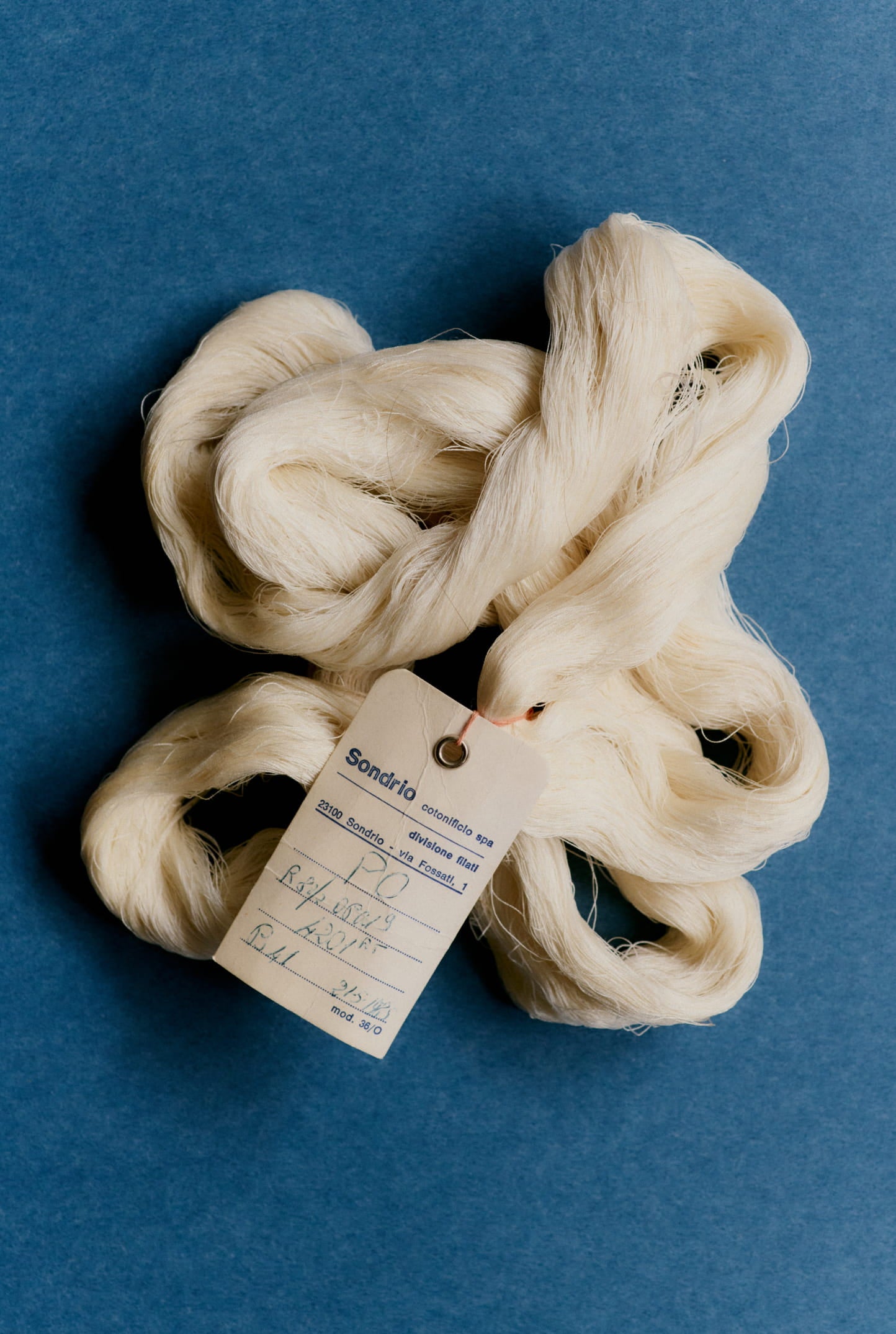
Every garment requires water, land, and energy. The cultivation of natural fibres such as cotton can involve extremely high water consumption, particularly when carried out through intensive farming methods. At the same time, producing synthetic fibres derived from petroleum requires complex chemical processes and large amounts of energy.
These are only part of the equation. Spinning, dyeing, finishing, and transportation all add to the environmental footprint. According to the European Parliament, textile processing is among the leading causes of global water pollution due to the extensive use of chemicals and dyes throughout industrial production.
To put this into perspective, producing a single T-shirt can require up to 2,700 litres of water—a figure that highlights how resource consumption often remains invisible, yet is far from insignificant.
Air, Water and Soil: an Ecosystem Under Pressure
The effects of this system extend well beyond factory walls and directly impact the environment.
In some parts of the world rivers change colour depending on the dyes used by nearby textile factories. Chemicals employed during manufacturing can contaminate water sources, damaging fragile ecosystems and making access to safe water increasingly difficult for local communities.

At the same time, emissions generated during production and transportation contribute to air pollution by increasing greenhouse gas concentrations. Soil is also affected, from intensive agricultural practices to the accumulation of textile waste that is often difficult to recycle or dispose of.
It is a silent but persistent impact that places growing pressure on the planet and, ultimately, on human health and wellbeing.
Synthetic Fibres and Microplastics: Invisible Pollution
Alongside resource consumption, another often overlooked aspect of fast fashion concerns materials. A significant share of today's garments is made from synthetic fibres such as polyester, nylon, and acrylic. These materials are versatile, inexpensive, and easy to manufacture, but they are also closely linked to one of today's most pressing environmental challenges.
Synthetic fibres are derived from petroleum and require complex industrial processes with a considerable environmental impact from the very beginning of production. Yet the problem does not end there. Even after purchase, these garments continue to leave a lasting footprint.
Every time synthetic fabrics are washed, they release microscopic plastic fibres that are invisible to the naked eye. These particles escape domestic filtration systems and end up in rivers, seas, and oceans. According to the International Union for Conservation of Nature (IUCN), more than 30% of all microplastics found in the world's oceans originate from washing synthetic textiles.
Once dispersed into the environment, these microplastics enter the food chain, accumulating in marine organisms and ultimately affecting humans as well. It is a form of pollution that is largely invisible, difficult to detect, yet persistent and potentially harmful.
The Short Life Cycle of Garments: Textile Waste and Overconsumption
As production accelerates, consumption patterns inevitably change. Fast fashion has transformed not only how garments are made, but also how they are purchased, worn, and increasingly discarded.
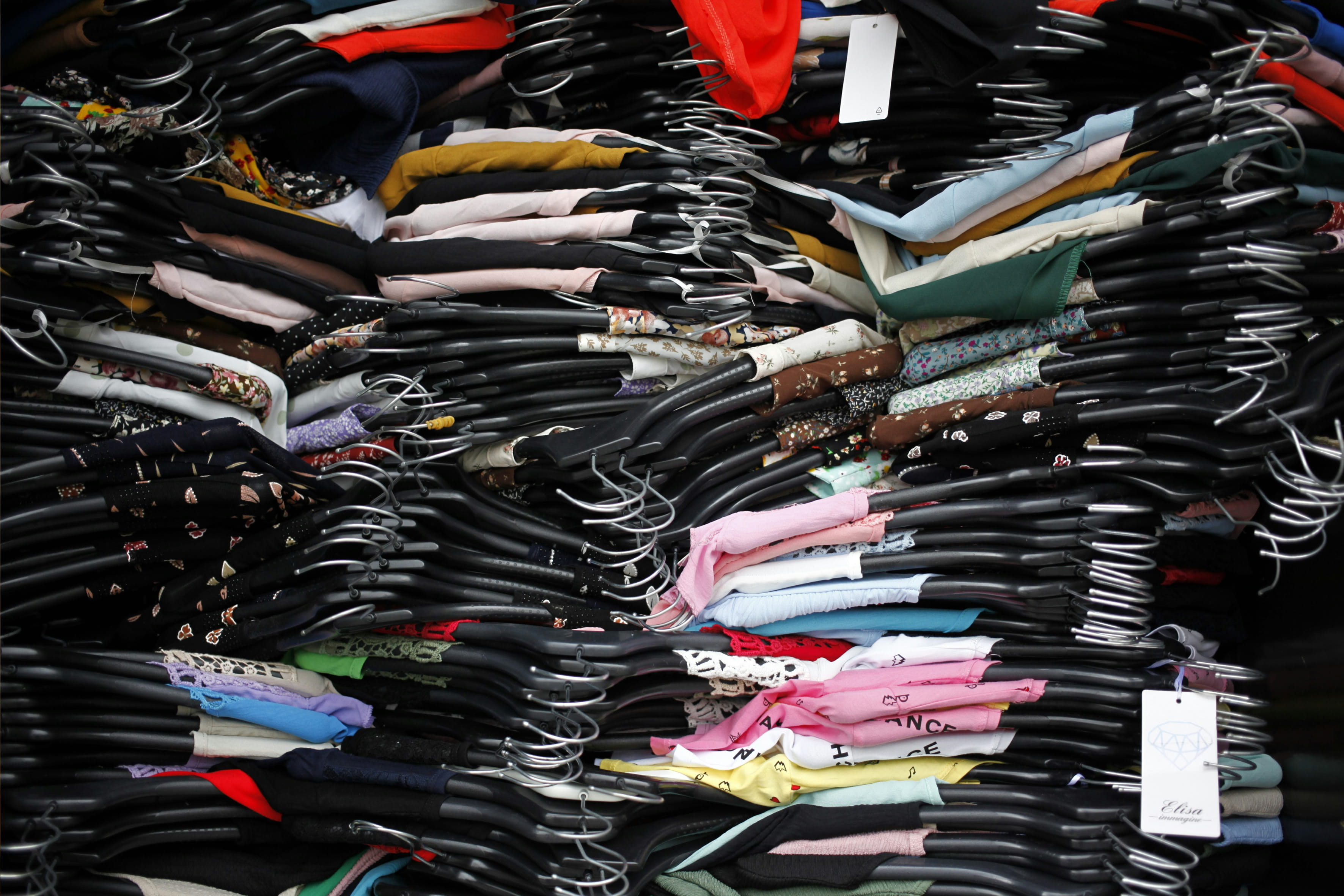
Clothing is often worn only a handful of times before being replaced by new purchases and forgotten—not because it is no longer usable, but because the system constantly encourages consumers to seek the next new item. This shortening of a garment's lifespan has one direct consequence: a significant increase in textile waste.
While part of this material is collected for recycling, most still ends up in landfills or incinerators. The issue is further complicated by the composition of many garments, which often combine different fibres that are difficult to separate and therefore difficult to recycle effectively.
Another frequently overlooked factor is overproduction. Not every garment manufactured is ever sold or worn. A considerable portion remains unsold, further contributing to unnecessary waste.

Sustainable Fashion: A Different Path Is Possible
Against this backdrop, sustainable fashion is not an instant solution, but it is an increasingly necessary choice.
Fast fashion has gradually transformed clothing into something temporary, designed to be replaced within a short time. Sustainable fashion, on the other hand, encourages us to restore value to quality, durability, and garments worth wearing for years to come.
This shift in perspective brings back into focus elements that fast fashion has pushed aside: the quality of fibres, the precision of craftsmanship, and a garment's ability to maintain its shape, structure, and appearance after repeated wear and washing. It also means creating products that can be repaired instead of discarded simply because replacing them costs less than fixing them.
A different way of making fashion already exists. It is slower, more thoughtful, and designed to last. Recognising it is the first step.
Choosing More Consciously
Changing the way we approach fashion does not require radical gestures, but rather more conscious decisions: buying less, choosing more carefully, and placing greater value on what we wear. This also means paying attention to simple actions, such as reading garment labels, understanding materials, supporting local craftsmanship, and preferring natural fibres.

These may seem like small actions, but over time they can have a meaningful impact. Every purchase helps shape the future of the industry, either reinforcing a system built on quantity or supporting one that values quality.
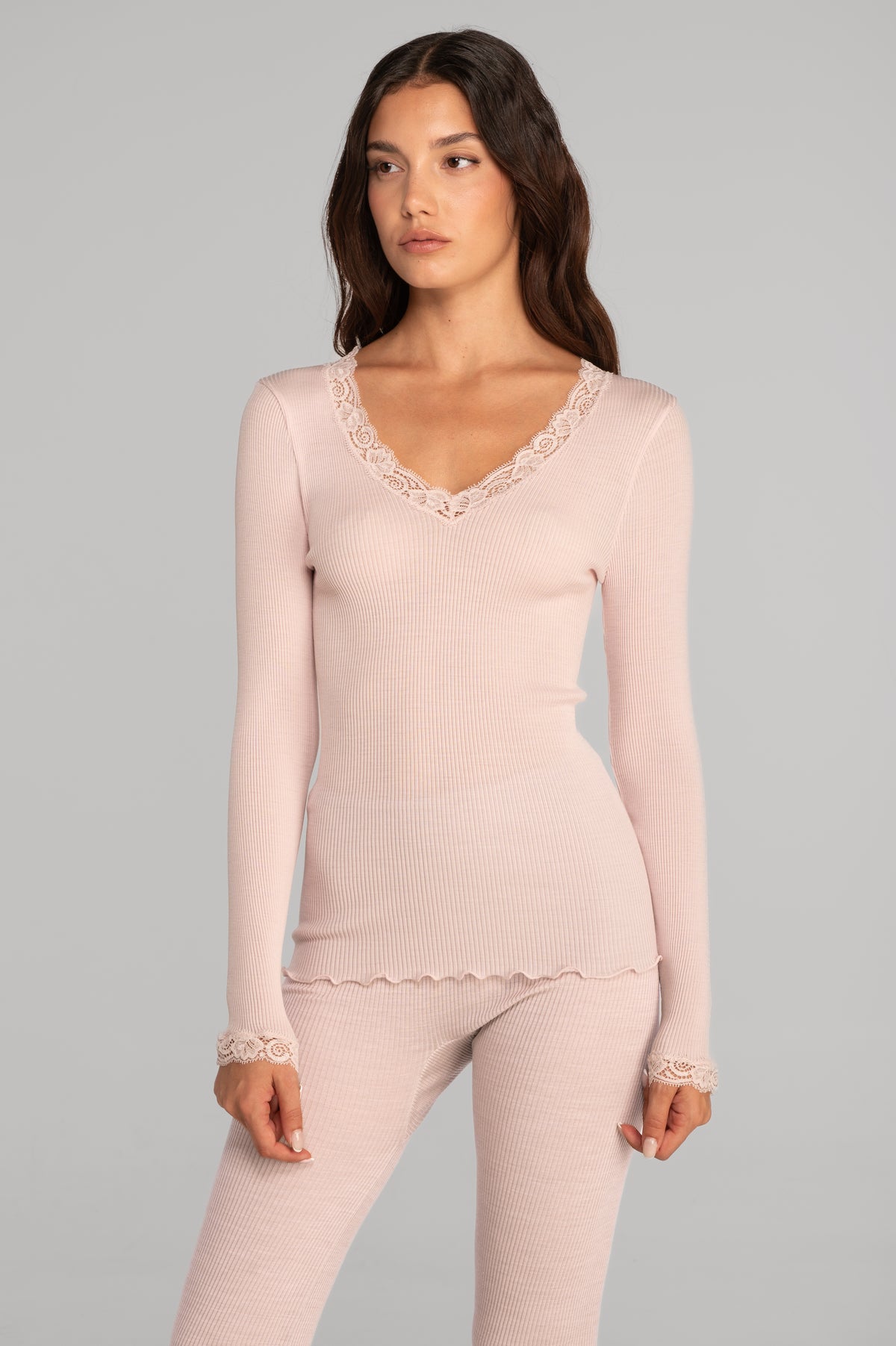
By embracing this second approach, Oscalito follows a philosophy based on short supply chains, local expertise, natural fibres, and carefully managed production processes, creating garments designed to be worn and appreciated for years. It is an approach that restores value to clothing by starting with the way it is made.