

Knitting Techniques: The Craftsmanship That Gives Garments Character, Comfort, and Structure
Some garments catch your eye at first glance. Others become more fascinating the closer you look, because their beauty doesn't lie on the surface—it lies in the craftsmanship. Something your eyes can sense, but your hands truly understand.
Knitting techniques are the silent language of knitwear. They tell the story of the time required to create a garment, the comfort it will provide, the way it drapes over the body, and even how well it will stand the test of time. Some techniques are simple and timeless, while others are more intricate and decorative. Some have existed for centuries and still define the true essence of Italian craftsmanship today.
Yet, when buying a garment, we rarely stop to ask: How was it made? What knitting technique does it use? Understanding the main knitting structures means learning to recognise quality. It means knowing why a jersey fabric is different from an interlock, why rib knit fits differently from piqué, and why details such as ajour, pointelle, and operatino can make knitwear look both sophisticated and incredibly feminine.

Table of Contents
- Knitted Fabrics: A World of Their Own
- Jersey, Interlock, and Rib Knit: The Foundations of Quality Knitwear
- Operatino, Pointelle, and Ajouré: When Lightness Becomes Sophisticated
- Piqué and Jacquard: Texture, Structure, and Character
- How to Recognize Quality Knitwear
Knitted Fabrics: A World of Their Own
When discussing textile construction, there is one essential distinction worth understanding from the very beginning: the difference between woven fabrics and knitted fabrics. Woven fabrics are created by interlacing warp and weft yarns at right angles. Knitted fabrics, by contrast, are formed by interlocking loops of yarn into a continuous structure.
This construction creates fabrics that are naturally stretchy, adaptable, and able to move with the body without restricting it. That's why knit fabrics are so widely used for underwear, socks, sweaters, sportswear, and garments designed to be worn directly against the skin. Knitting is more than a manufacturing technique—it's a philosophy of dressing built around comfort, freedom of movement, and effortless wearability.
There are two main categories of knitting: weft knitting, where the yarn runs horizontally, and warp knitting, where multiple yarns run vertically. Weft knitting is by far the most common in everyday apparel and gives rise to familiar knit structures such as jersey, rib knit, interlock, piqué, operatino, jacquard, and Ajouré. Warp knitting, on the other hand, is more technical and is frequently used for sportswear and lingerie.
Within this world, every knit structure has its own personality. Some are smooth and understated, others richly textured and decorative, while others feel airy, lightweight, and almost transparent.
Jersey, Interlock, and Rib Knit: The Foundations of Quality Knitwear
Some knitting techniques have become true benchmarks in knitwear because they combine comfort, beauty, and durability. These structures have existed for decades—and in some cases for centuries—yet they continue to define the way a garment fits, drapes, and moves with the body.
Among the most iconic knit structures are jersey, interlock, and rib knit. Each offers a completely different feel against the skin and creates a unique wearing experience. Understanding their characteristics means choosing garments not only for their appearance, but also for the comfort they'll provide every day.
Jersey: The Most Versatile Knit Structure
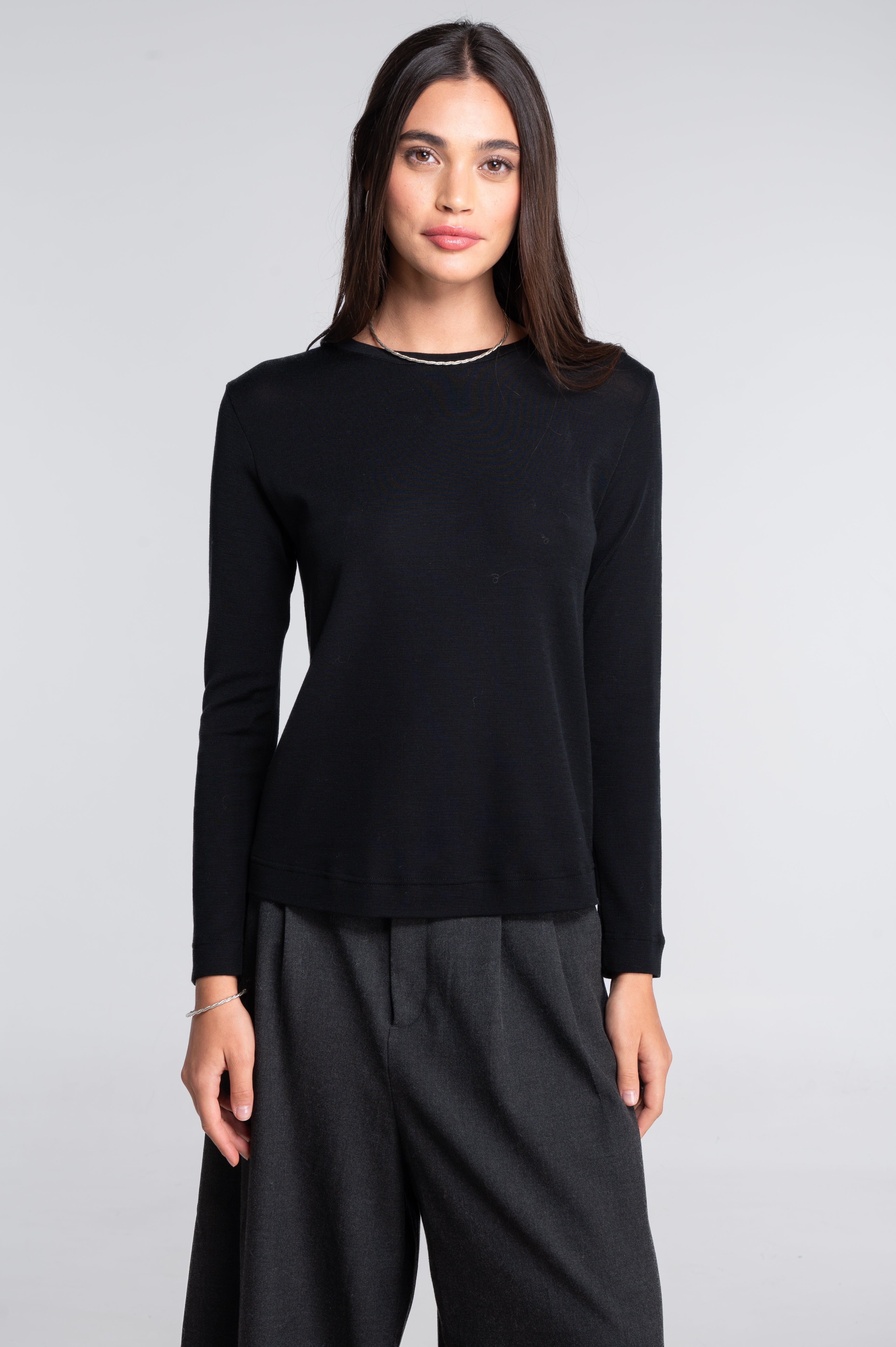
If there's one knit structure that best introduces the world of knitwear, it's jersey. It is the foundation of modern knitting—the simplest construction and one of the most versatile. Its structure is deceptively simple: a continuous series of loops, all facing the same direction. This creates a smooth, even surface on the right side of the fabric and a slightly textured appearance on the wrong side.
This contrast is one of jersey's defining characteristics. The right side is clean and uniform, making it ideal for solid colors and prints. The wrong side, with its visible loops, feels softer against the skin.
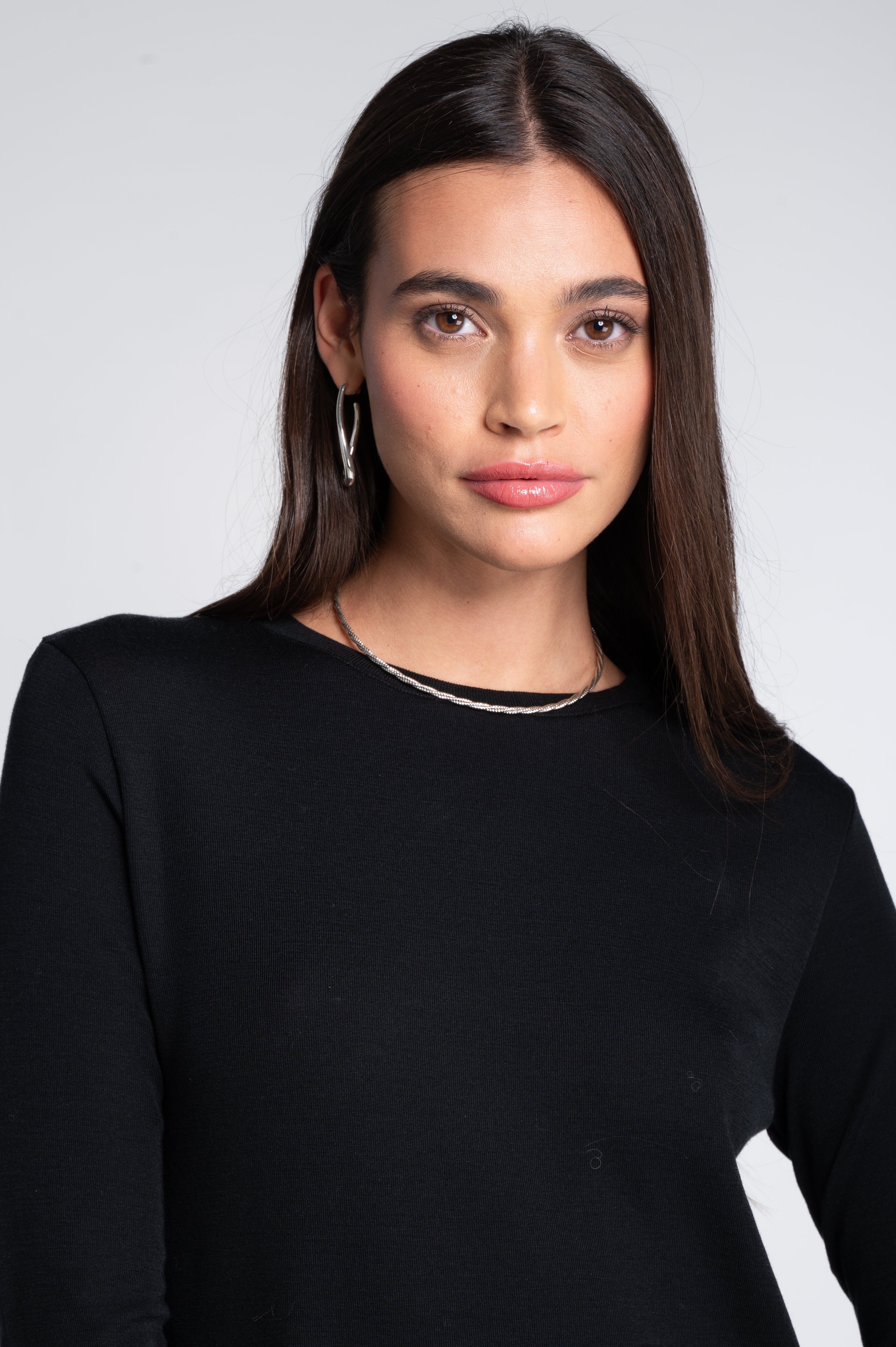
Jersey also offers natural stretch across its width, making it particularly well suited to underwear and T-shirts. Its personality changes dramatically depending on the fiber used. Cotton jersey feels cool and breathable. Silk jersey drapes effortlessly over the body. Merino wool jersey provides warmth without feeling heavy, while modal jersey delivers exceptional softness with an almost silky touch.
Jersey is the world's most widely produced knit fabric, yet not all jerseys are created equal. Fabric weight (measured in grams per square meter, or g/m²), yarn twist, and machine gauge all make an enormous difference between inexpensive industrial jersey and jersey produced from carefully selected fibers on high-precision knitting machines. Its apparent simplicity leaves no room for imperfections—every flaw is immediately visible.

Interlock: When Two Layers Make All the Difference
The easiest way to understand interlock is to picture two layers of jersey knitted together into a single fabric. The result is a double-knit construction that is compact, stable, and identical on both sides. There is no obvious right or wrong side—interlock is perfectly symmetrical.
This unique structure makes interlock particularly valuable. Its double construction offers outstanding dimensional stability, allowing the fabric to resist stretching and maintain its shape even after repeated washing. At the same time, it develops a rich, velvety hand that feels substantial without being heavy. Compared with single jersey, high-quality interlock feels denser and more refined while remaining surprisingly lightweight.
It's a popular choice for premium underwear, undershirts, bodysuits, and thermal base layers. Compared with jersey, it offers greater opacity and better coverage, making it equally suitable for garments with a more refined appearance. Producing interlock requires more sophisticated knitting machines and more precise yarn tension control, factors that naturally increase both manufacturing costs and the value of the finished garment.
Quality also varies significantly. Interlock made from fine combed cotton or premium fibers such as extra-fine Merino wool performs very differently from lower-cost alternatives. One of the key indicators of quality is the machine gauge—the number of needles per inch—which has a direct impact on the fabric's refinement and appearance.
 Rib Knit: When Fabric Remembers the Shape of Your Body
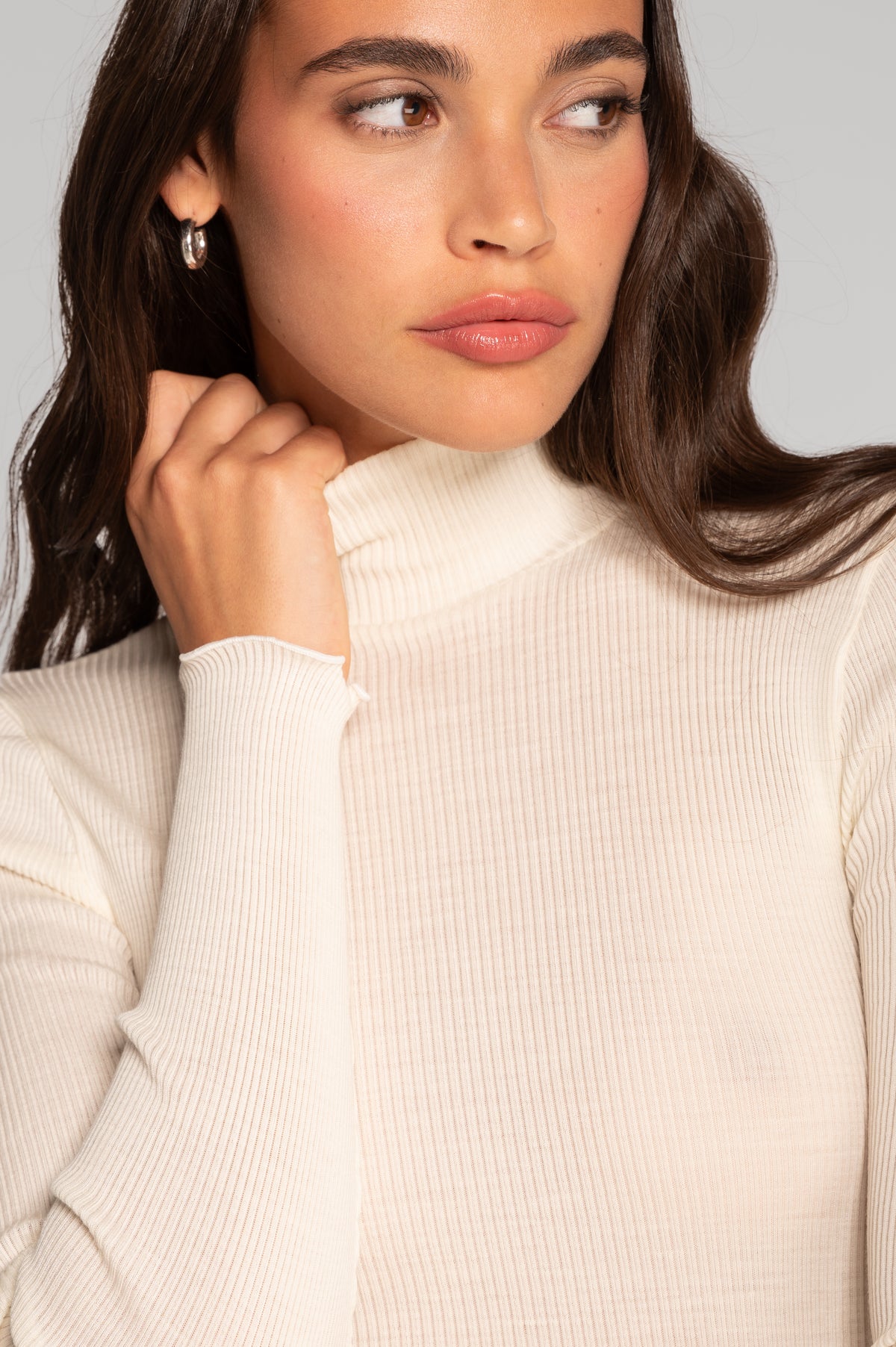
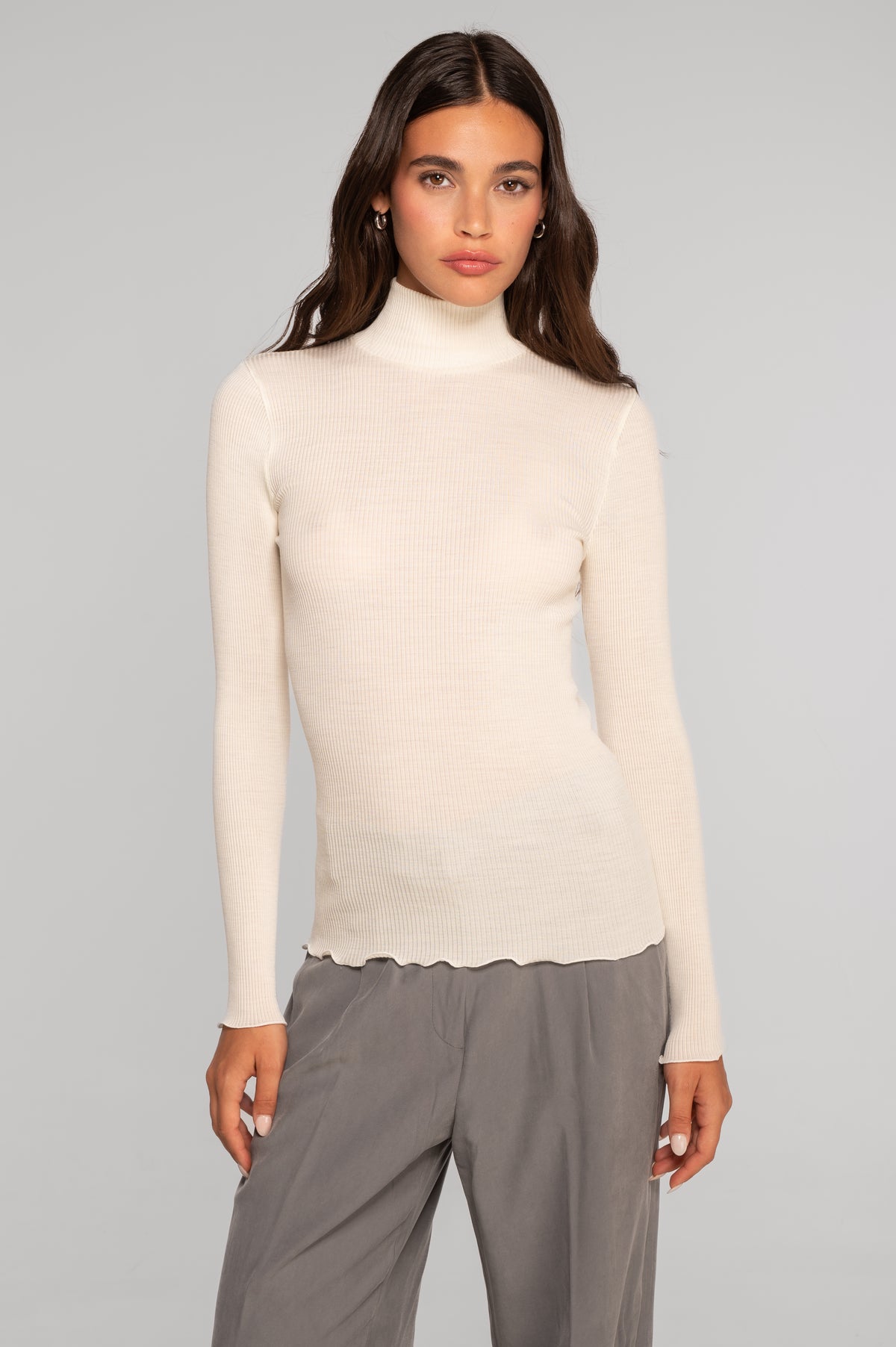
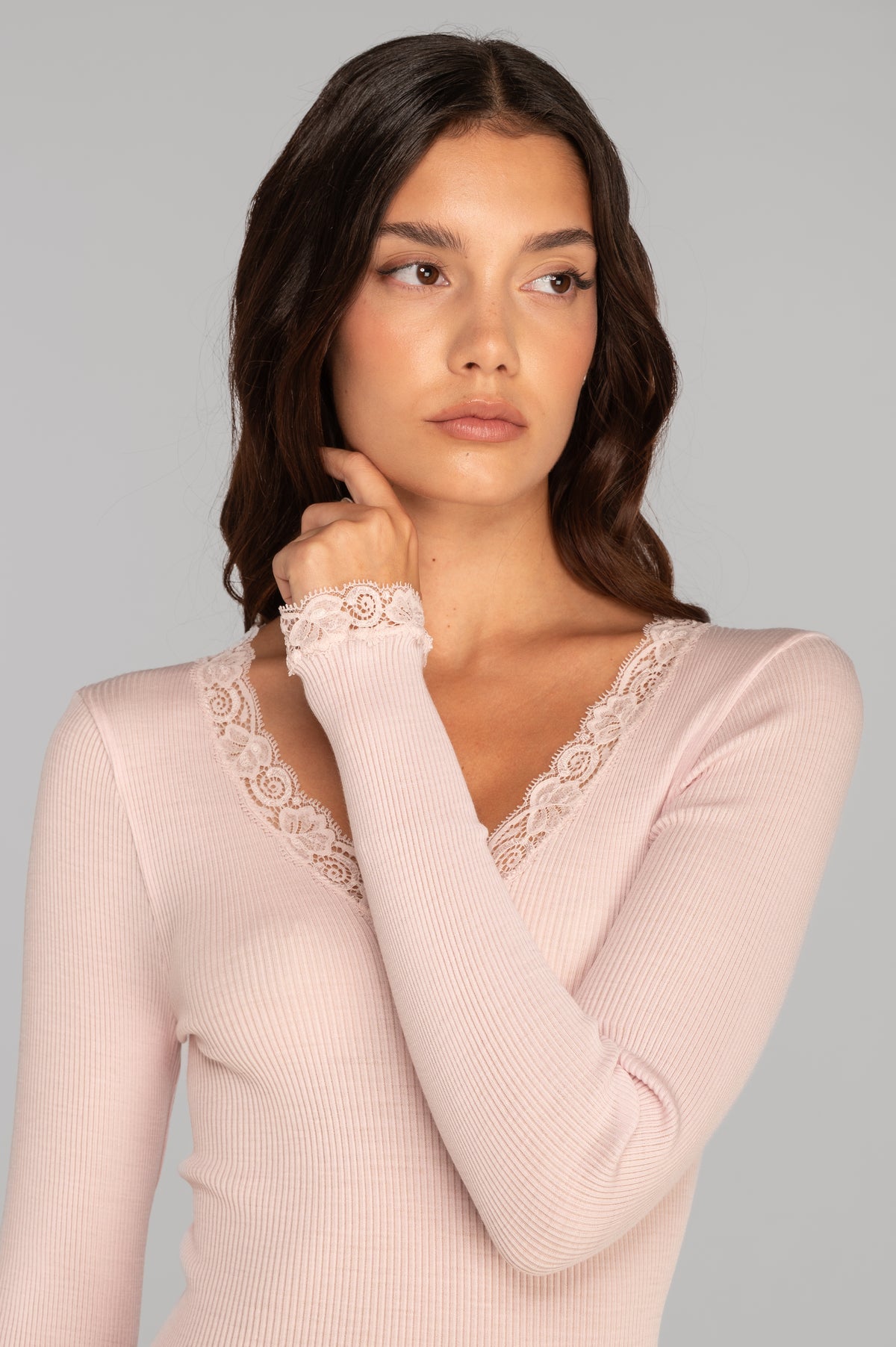
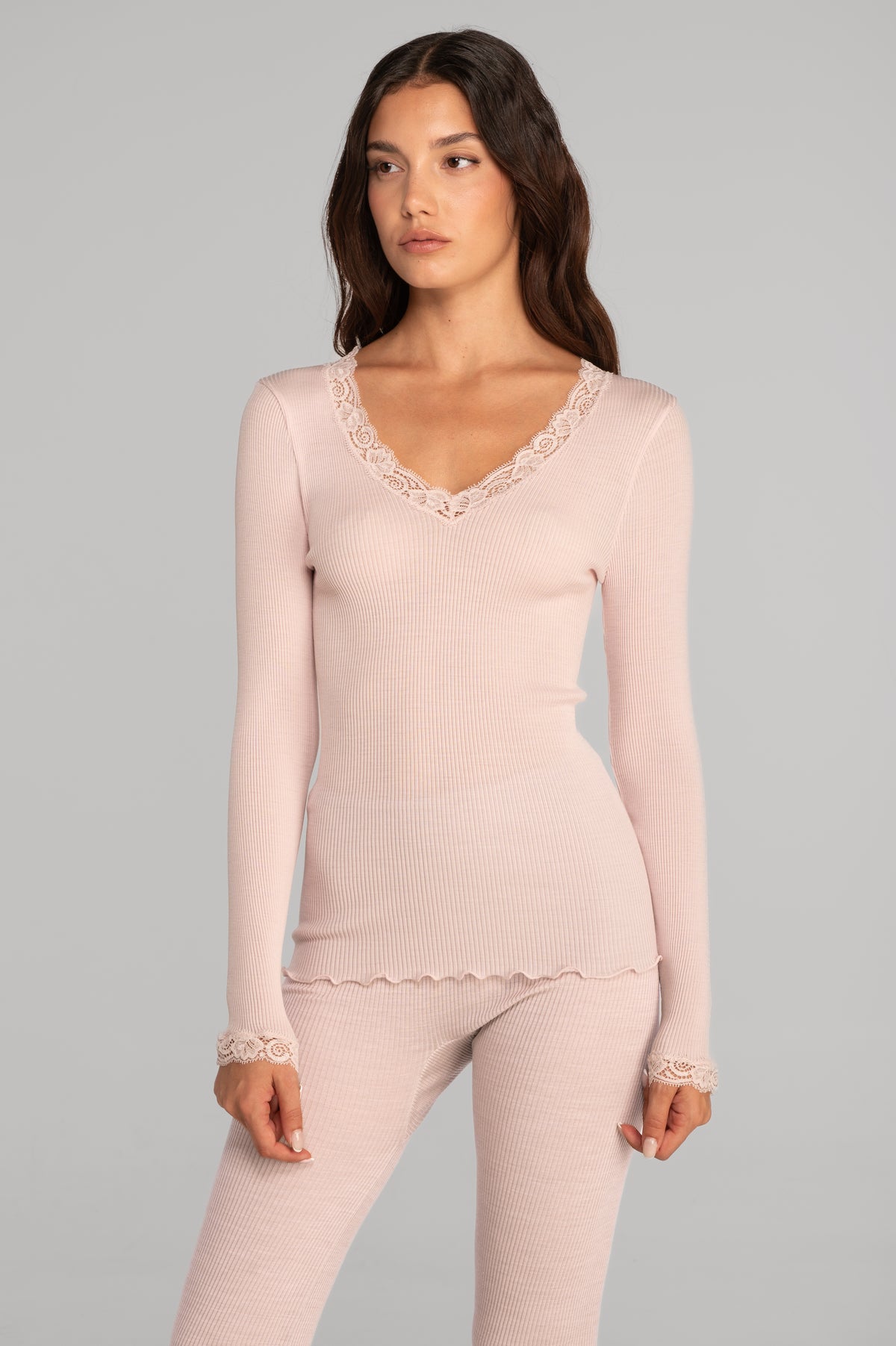
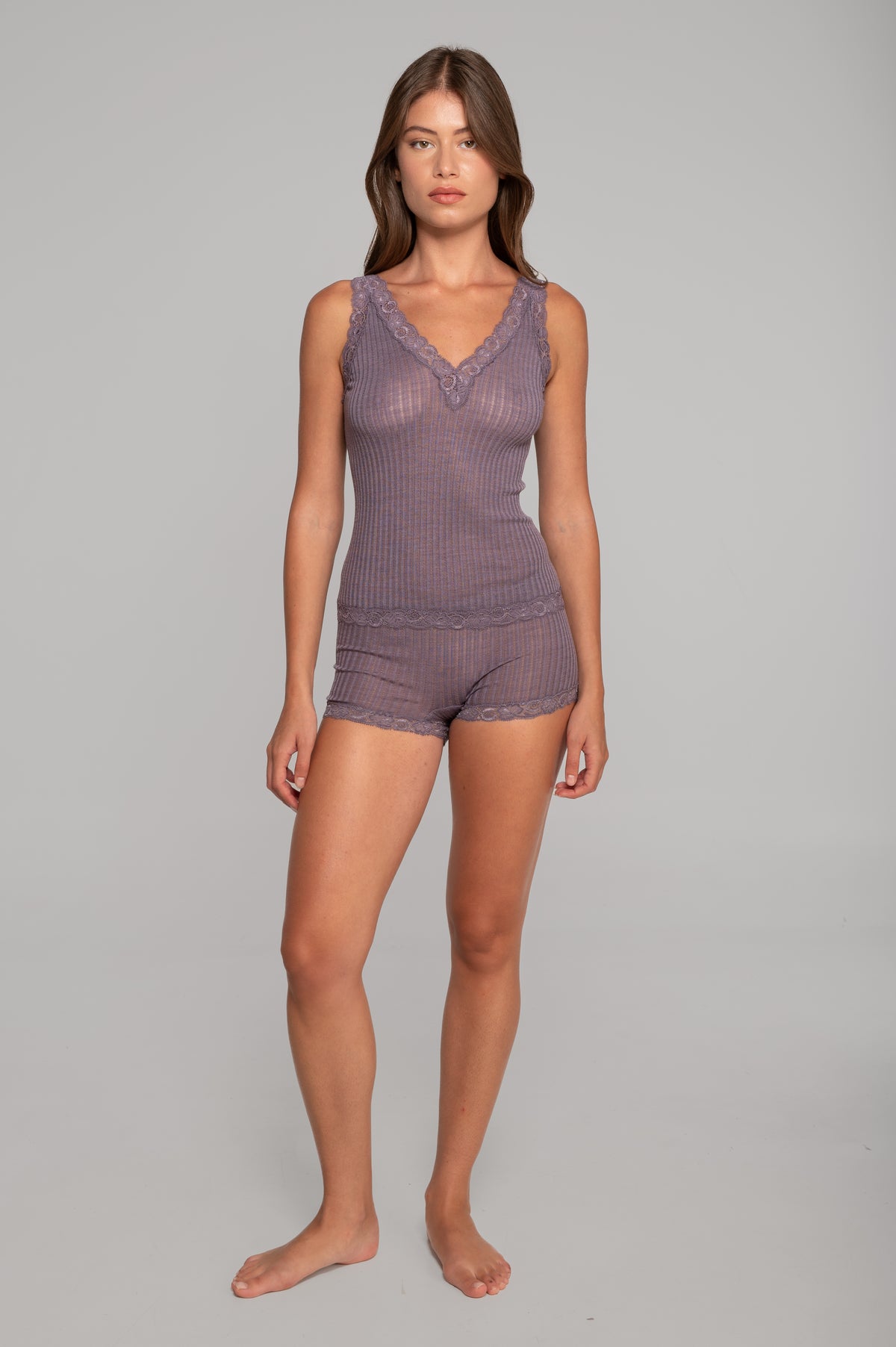
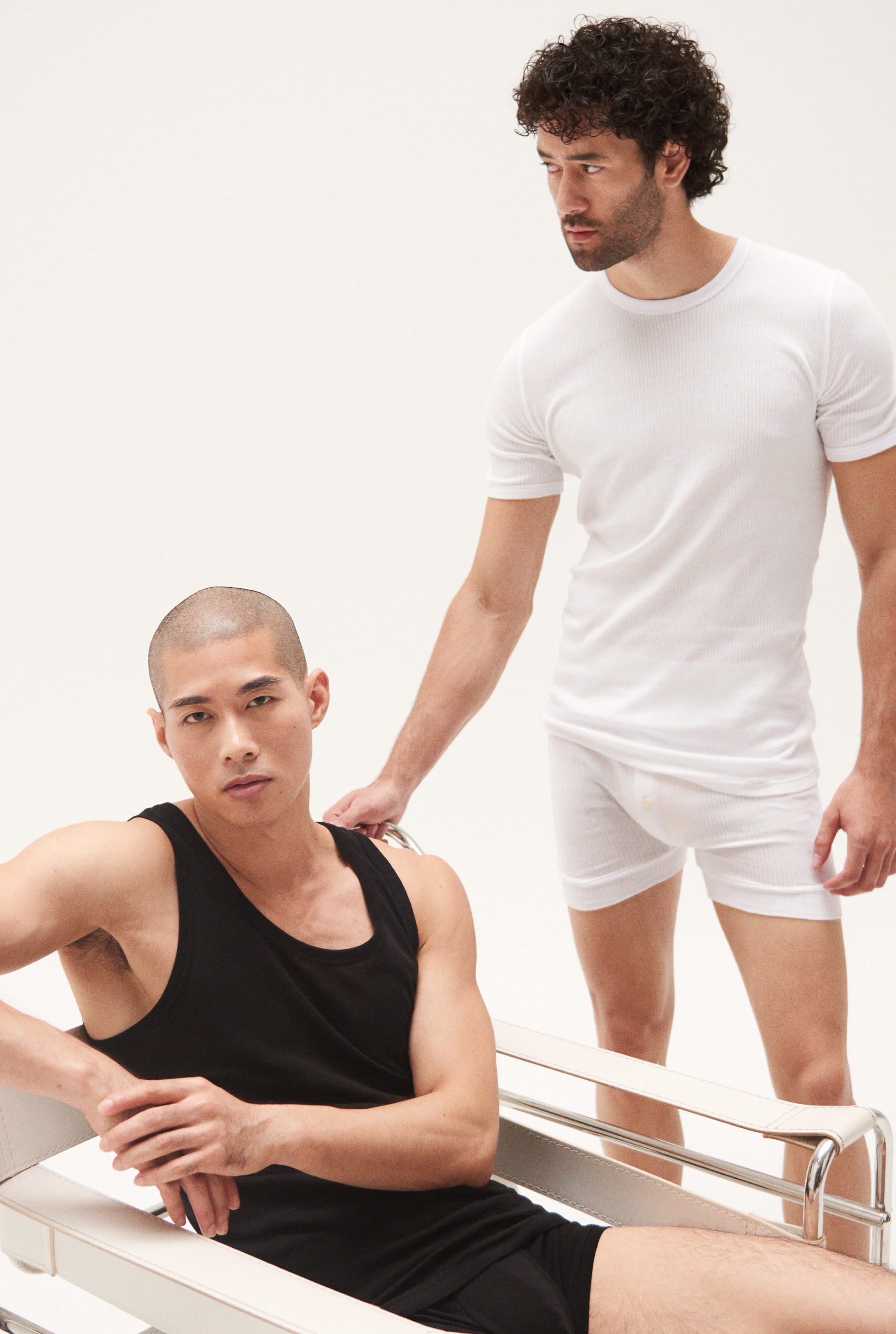
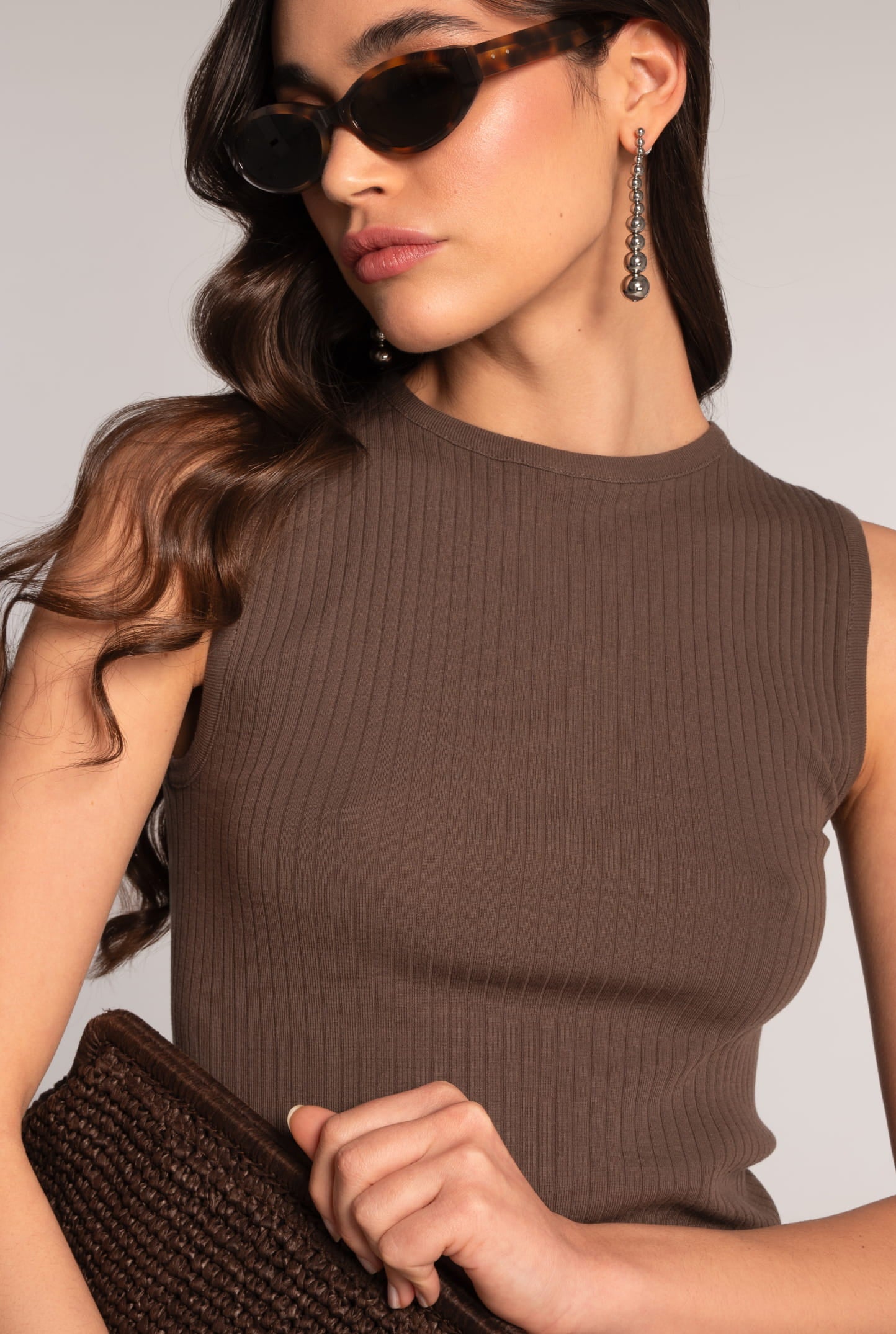
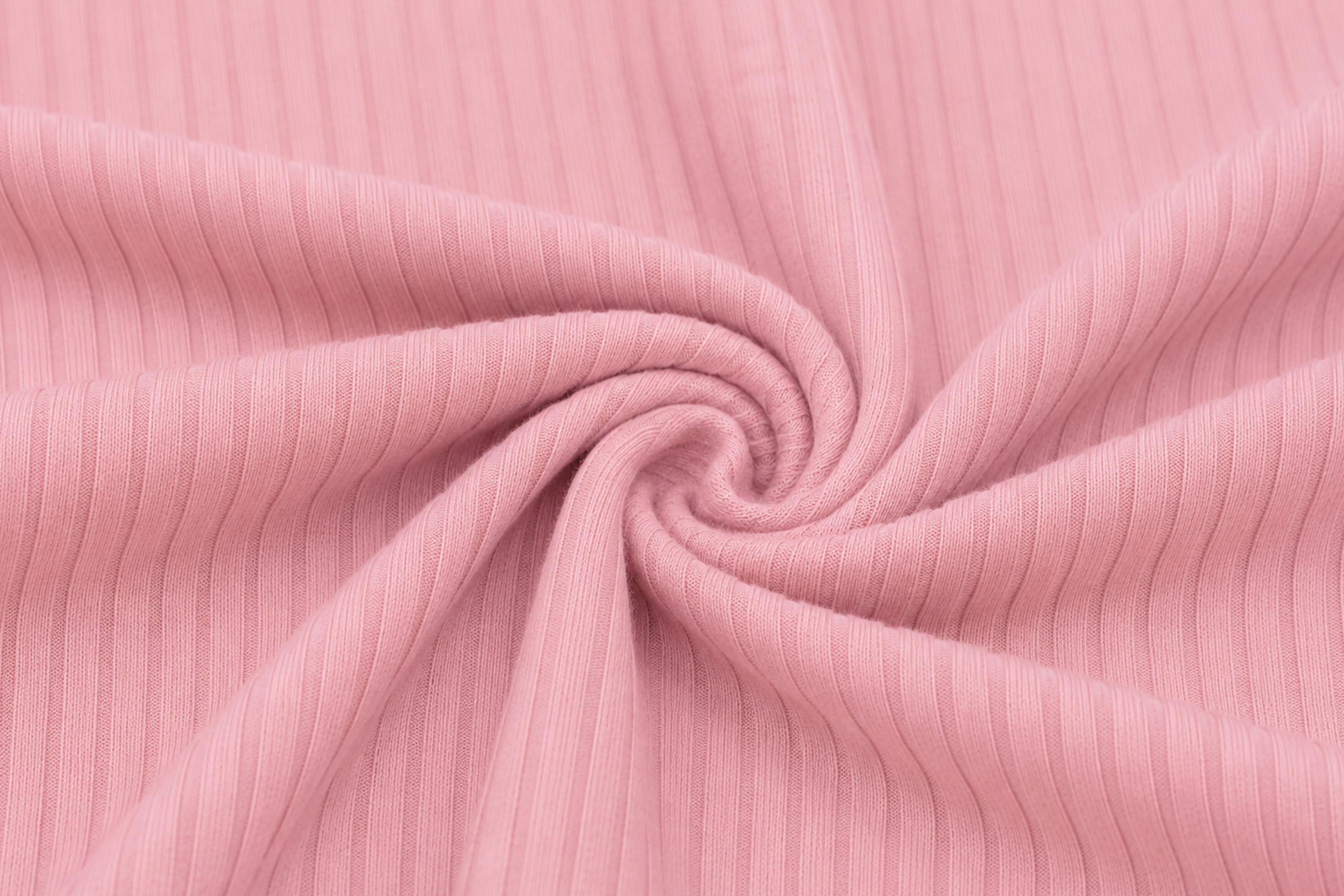
Rib knit is one of the oldest and most beloved knit structures. It is created by alternating knit and purl wales on double-bed knitting machines, producing the distinctive vertical ribs that are instantly recognizable.
What the eye cannot see is the remarkable engineering behind its elasticity. Knit wales naturally contract inward while purl wales expand outward. The tension between them creates exceptional crosswise stretch. Rib knit can stretch nearly twice as much as plain jersey while returning effortlessly to its original shape without sagging or losing its structure.
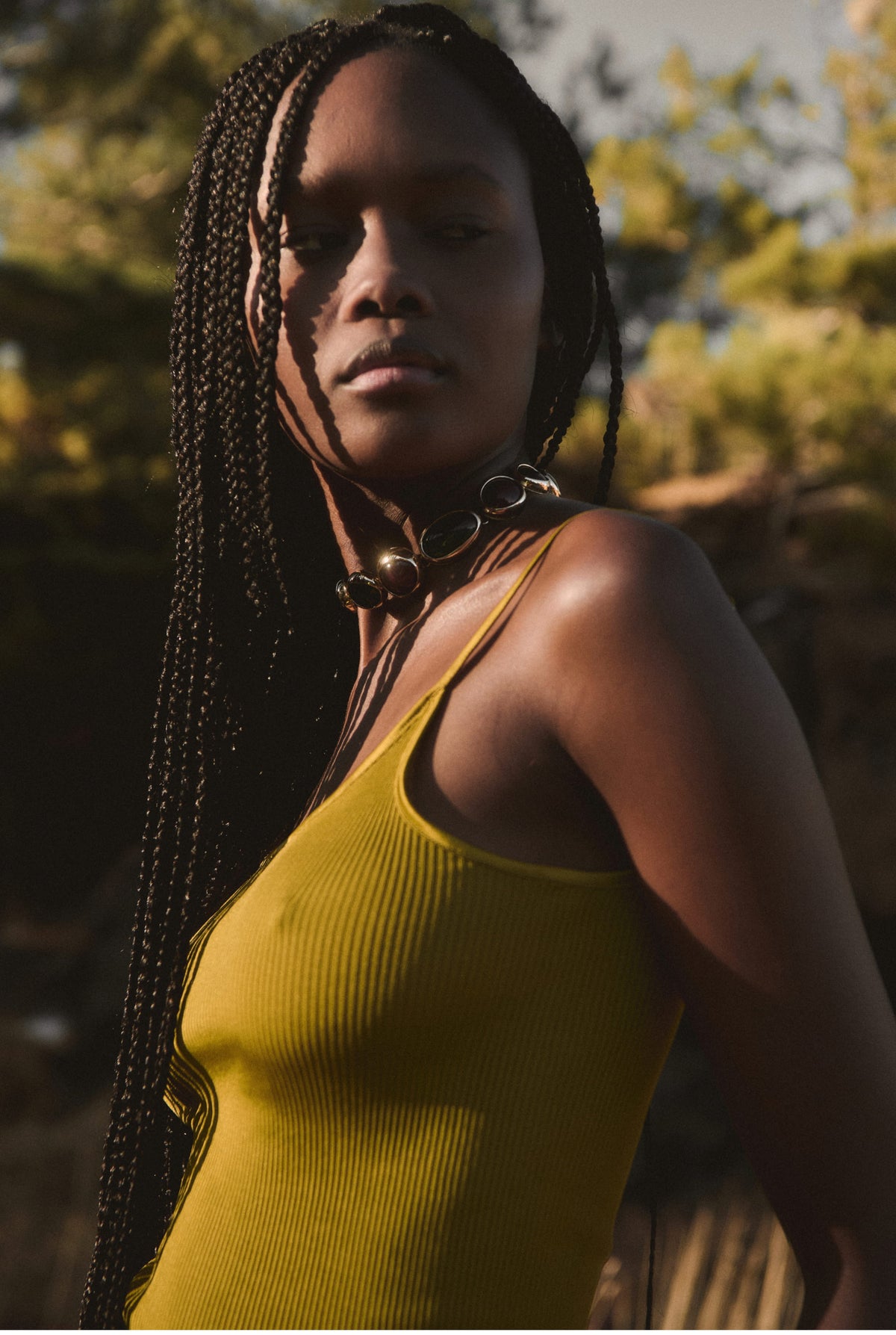
Different rib constructions are classified according to the ratio between knit and purl stitches. 1×1 rib is the finest version and is commonly used for cuffs, necklines, and close-fitting underwear. 2×2 rib features deeper ribs and greater body, making it ideal for sweaters, sweatshirts, and turtlenecks. From 3×3 rib onward, the ribs become increasingly architectural, turning the fabric itself into a defining design element.
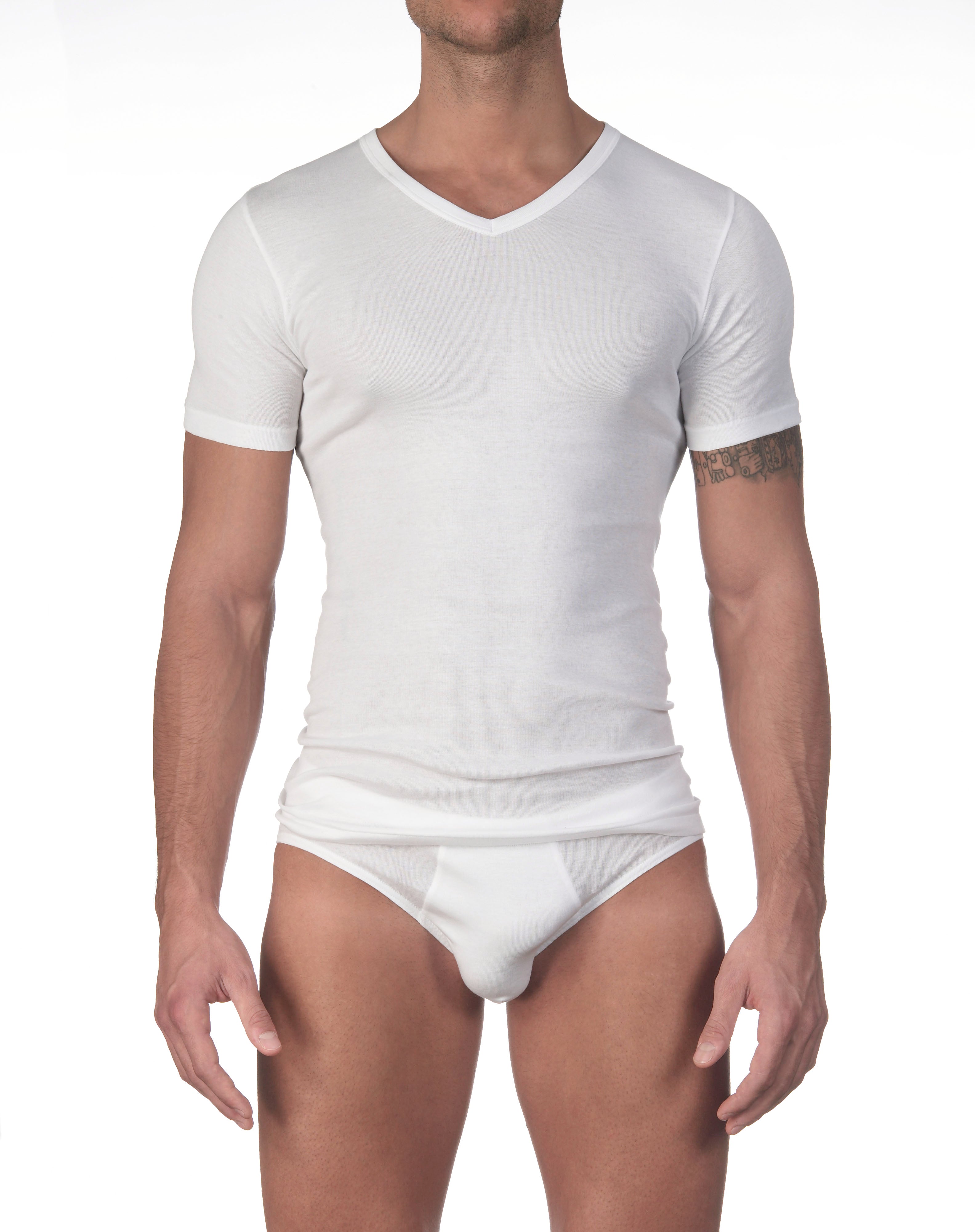
The fiber changes everything. Cotton rib knit feels crisp and breathable, as seen throughout our dedicated collection. Merino wool rib becomes warm and naturally temperature-regulating, while pure silk rib offers an unexpected combination of crispness and fluidity. Its mechanical elasticity is so effective that elastane is rarely—if ever—necessary.

Operatino, Pointelle, and Ajouré: When Lightness Becomes Sophisticated
Not every knitting technique relies on volume or bold visual effects. Some of the most refined fabrics are also the most understated, adding elegance through subtle texture, lightness, and craftsmanship rather than dramatic design.
Operatino, pointelle, and Ajouré belong to this family. These lightweight, openwork knit structures are designed to create movement, breathability, and delicate beauty. Each requires remarkable precision, technical expertise, and meticulous attention to detail.
Operatino: A Texture That Hides a Secret
Operatino is one of those rare knitting techniques you don't come across by chance. Rooted in traditional textile craftsmanship, it originated from historic weaving methods that demanded a level of patience and skill few modern production techniques can match. Its structure resembles jersey but features a subtle, evenly distributed microtexture that creates a softly three-dimensional surface. The result is a fabric that feels exceptionally pleasant against the skin while remaining naturally breathable. It's neither printed nor embroidered—the pattern is created entirely by the fabric itself.
The finished fabric is lightweight, refined, and beautifully fluid, offering superior moisture management compared with plain jersey. Its open structure allows air to circulate freely, absorbing moisture without trapping it and helping the skin stay cool even on the warmest days. When crafted from wool and silk, operatino becomes naturally hypoallergenic while offering an exceptionally soft, silky feel.
While many manufacturers gradually abandoned this technique, Oscalito chose to preserve it and make it part of its identity. The brand even introduced a distinctive detail that isn't immediately visible but reveals itself upon closer inspection: tiny raised hearts knitted directly into the fabric's structure. They aren't embroidered or applied afterward—they are part of the knit itself. Every operatino garment undergoes careful inspection, and only those displaying the brand's signature "perfect heart" pass quality control.

Pointelle: Delicate Yet Beautifully Structured
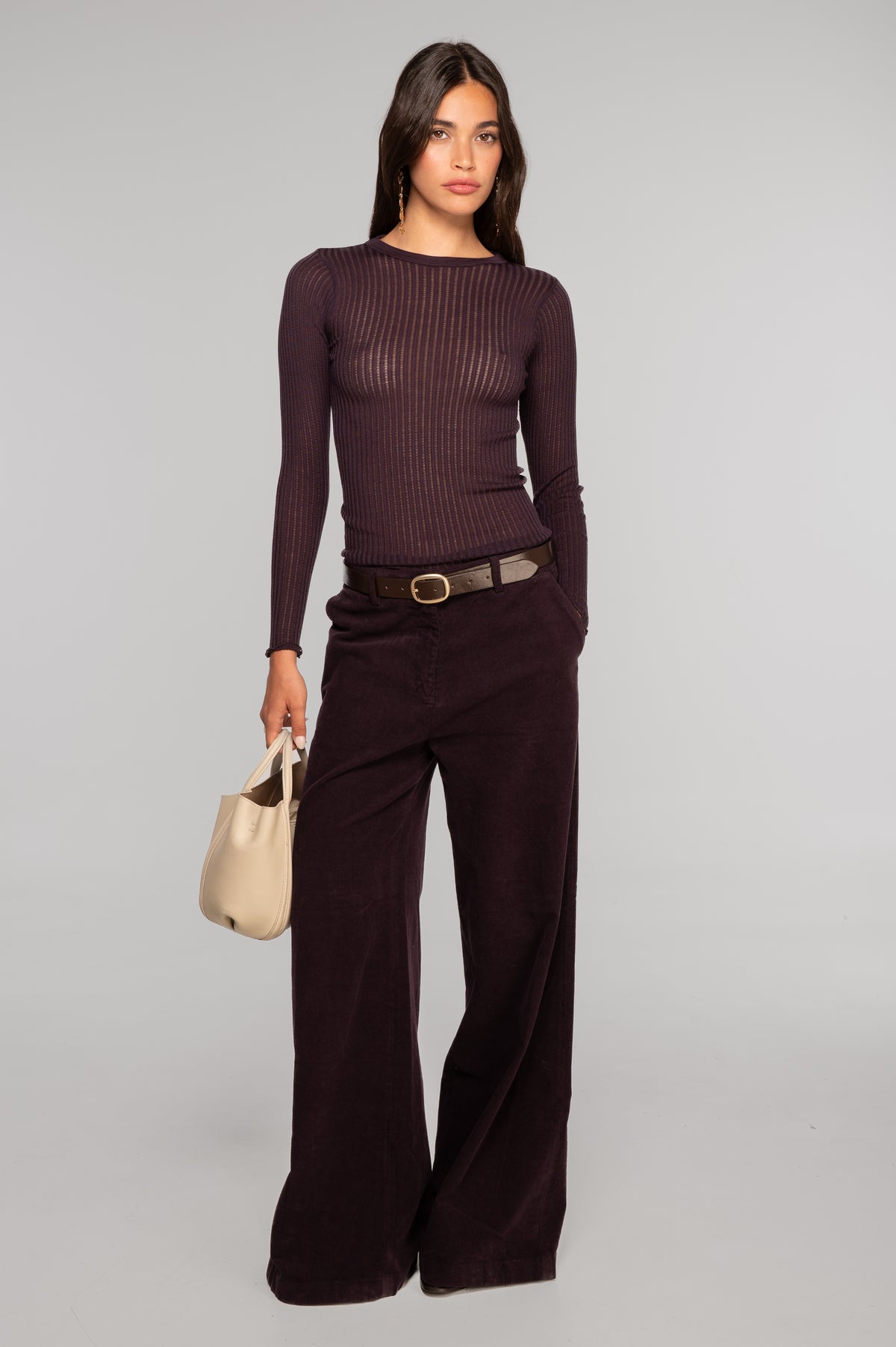
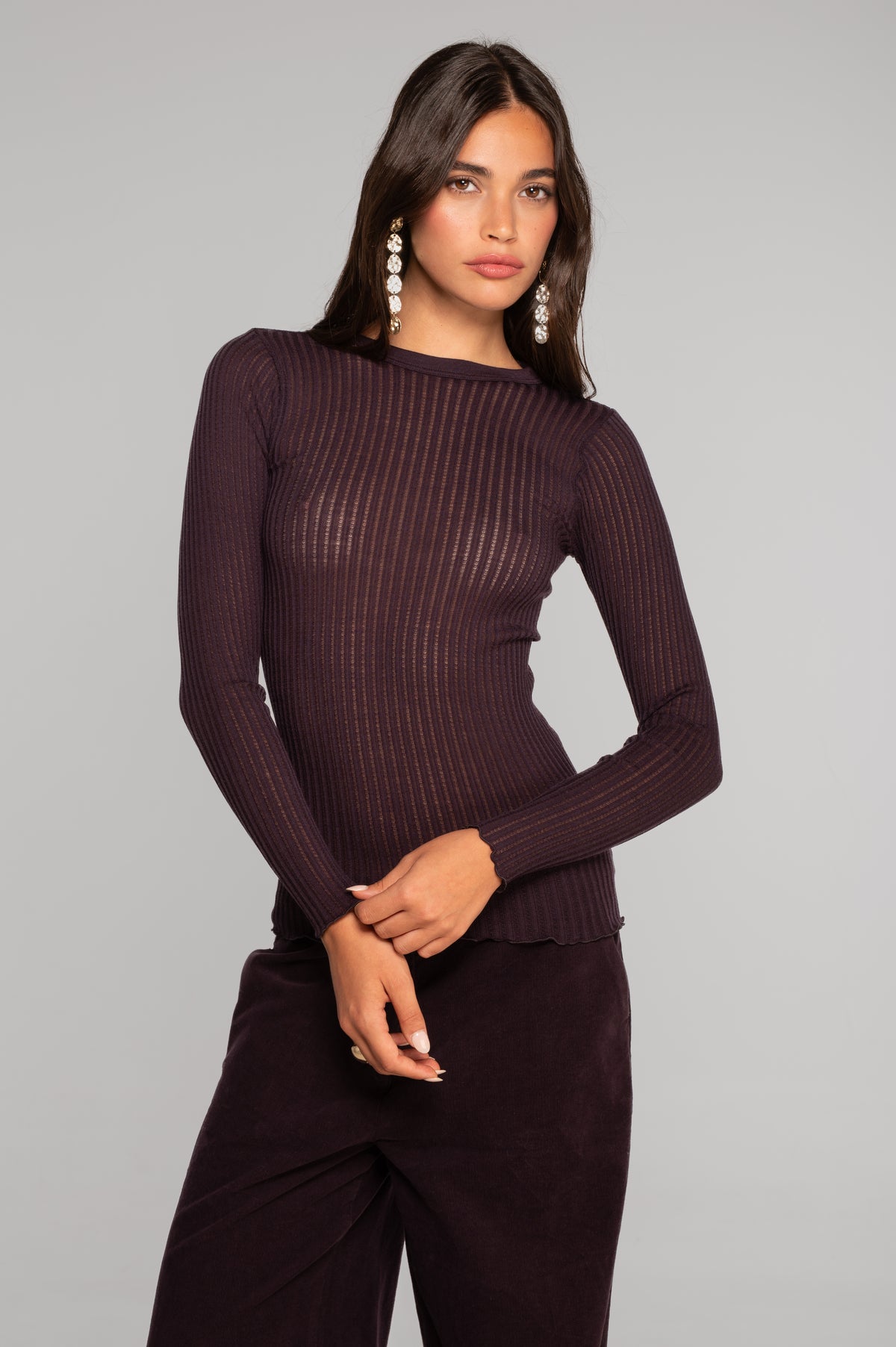
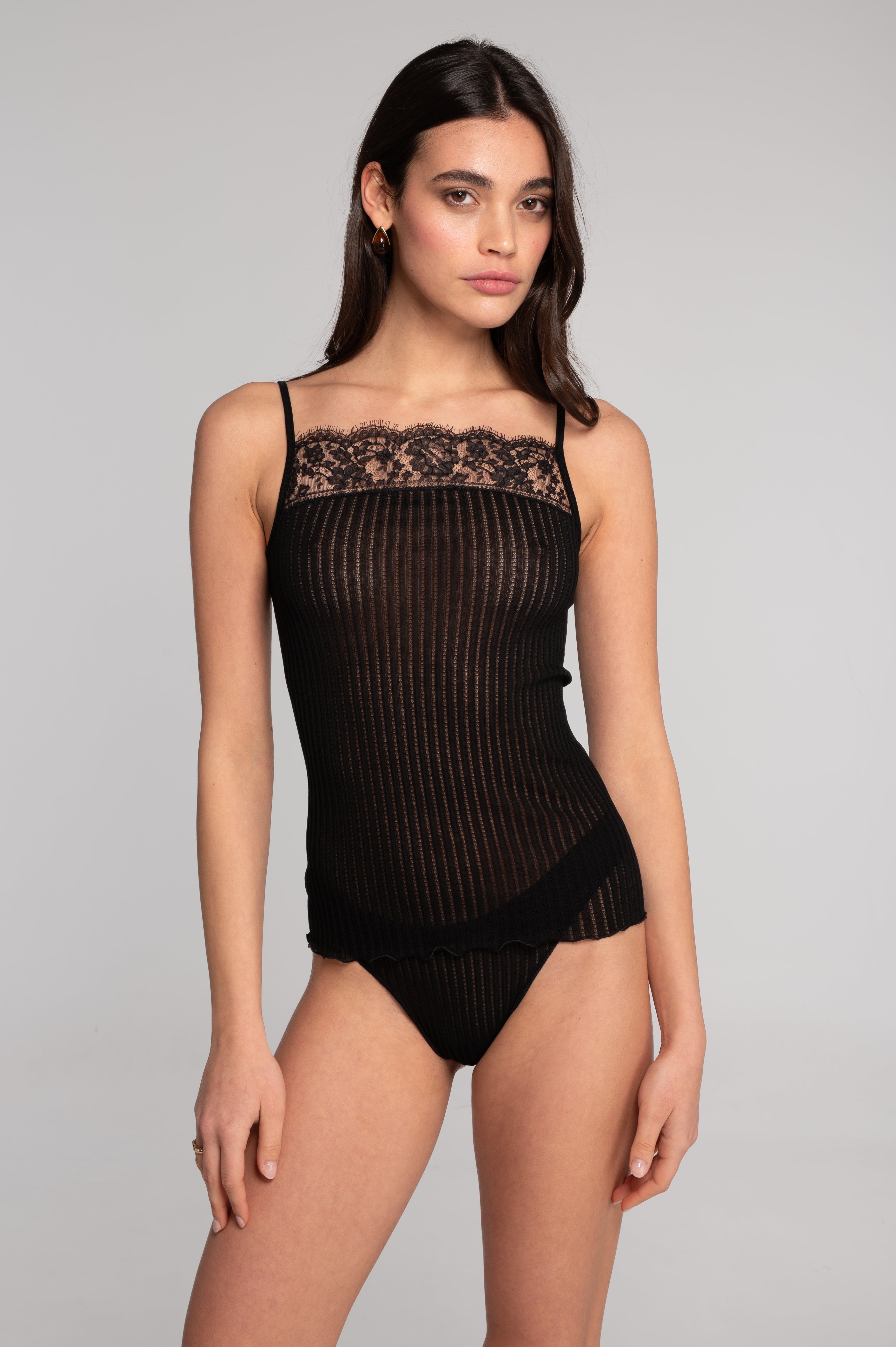
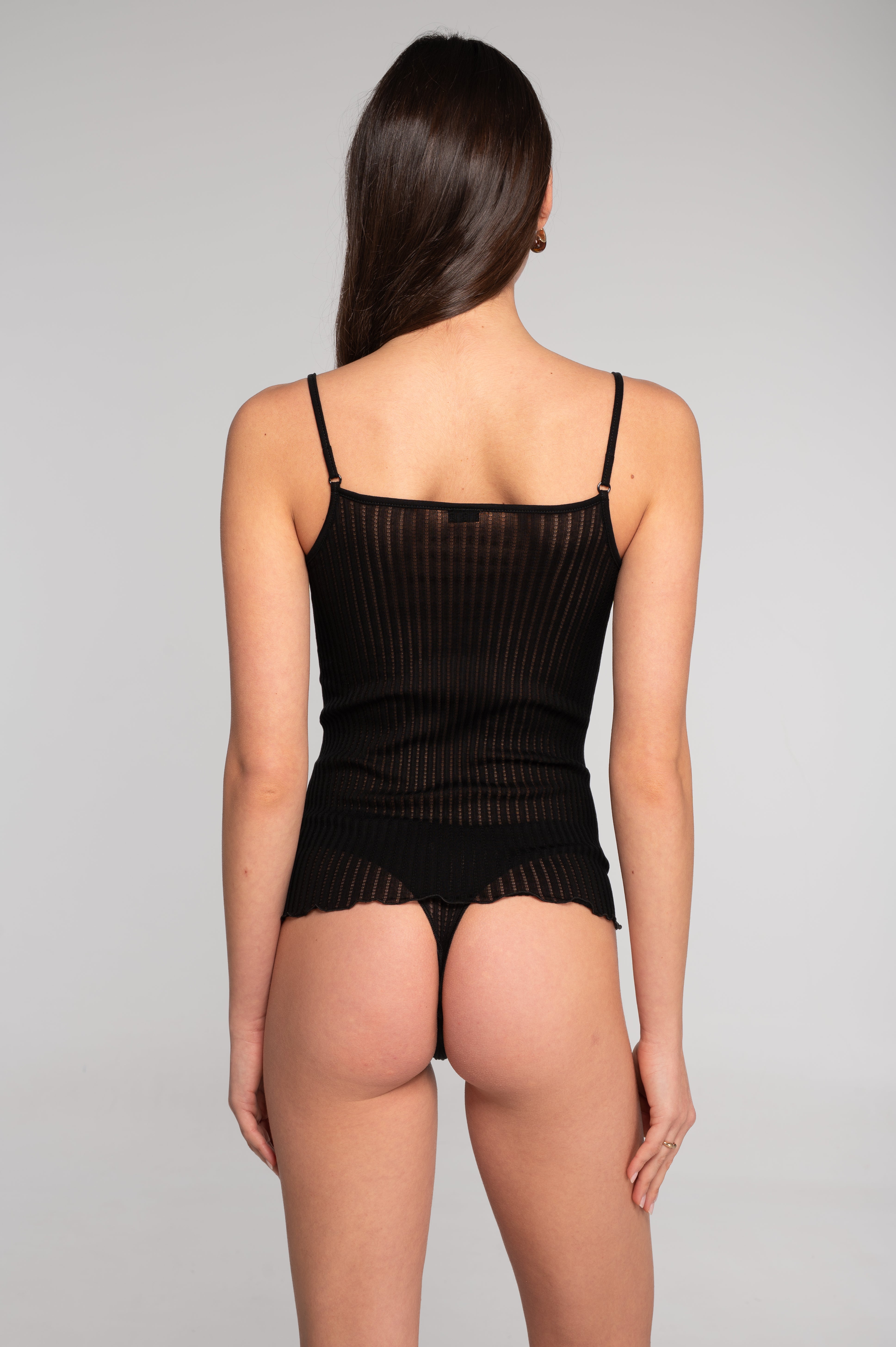
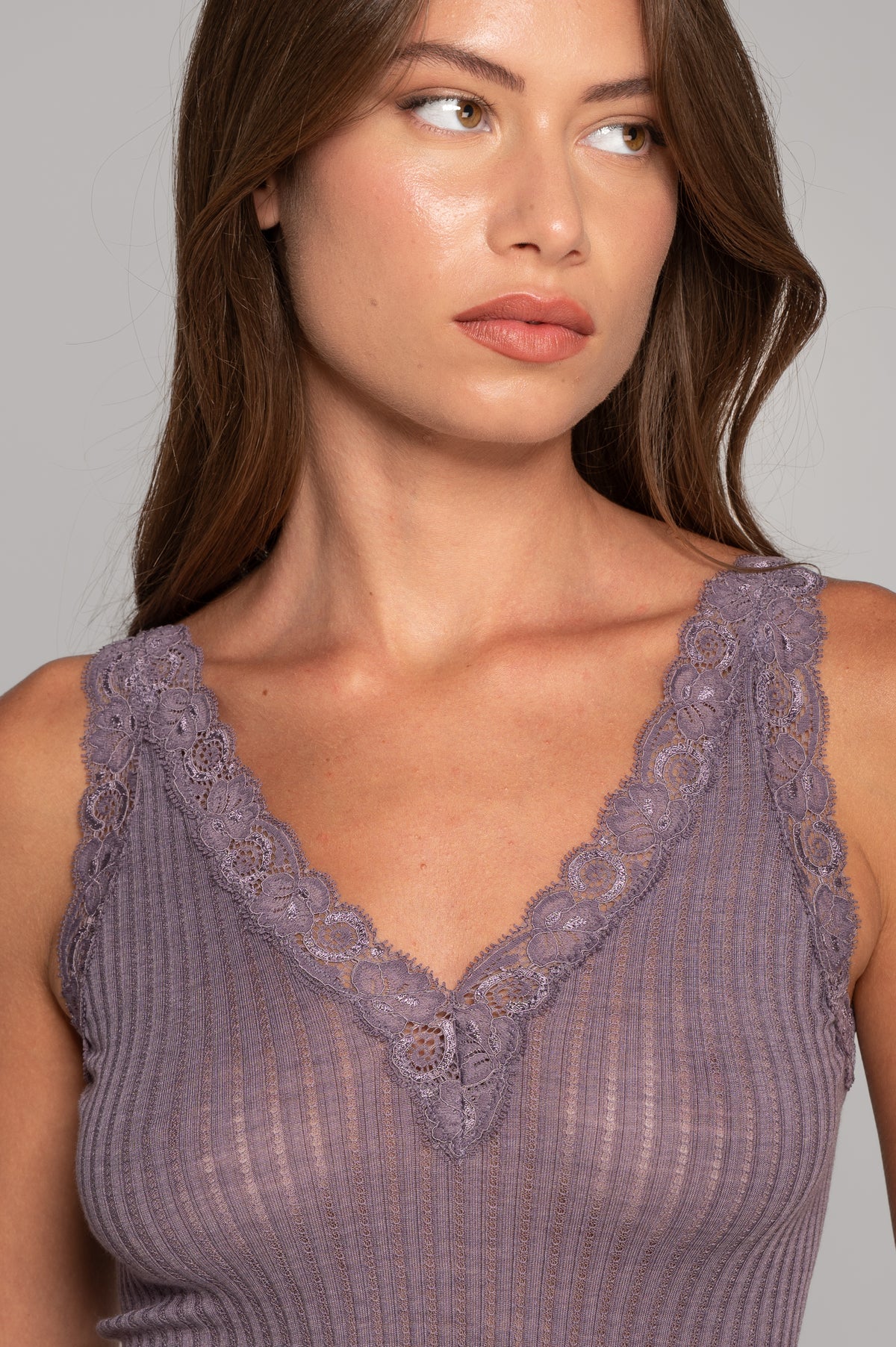
Pointelle is one of the most delicate knitting techniques in the world of knitwear. It is created by transferring selected stitches onto adjacent needles, forming tiny eyelets arranged in decorative patterns such as diamonds, hearts, snowflakes, or chevrons. The result is a lightweight, semi-sheer fabric that interacts beautifully with light. Its appeal, however, goes far beyond aesthetics.
Every opening must be positioned with absolute precision to create a perfectly balanced pattern. Even the slightest deviation disrupts the design, making pointelle a technique that demands exceptional craftsmanship and leaves little room for error.
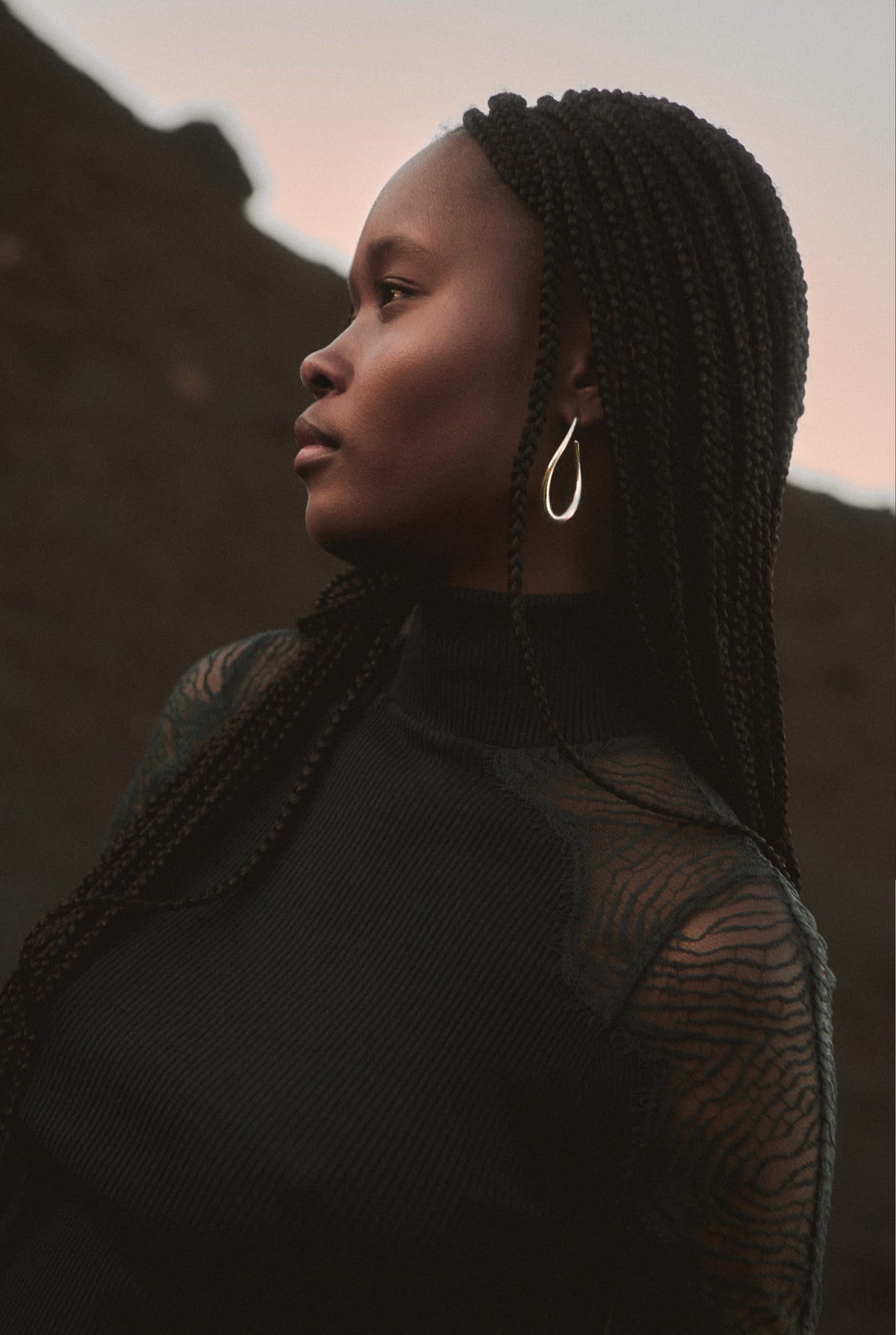
As always, the choice of fiber transforms the final result. In combed cotton, pointelle feels crisp, fresh, and remarkably defined, with an almost architectural appearance. In extra-fine Merino wool or silk, it becomes nearly weightless, barely perceptible against the skin while maintaining its beautifully structured design. That balance between delicacy and substance is what makes pointelle so distinctive. It is airy yet stable, decorative yet functional. It is frequently found in premium women's underwear, layering tanks, and lightweight sweaters designed to be worn on their own.

Ajouré: Patterns Created Directly From the Yarn
Derived from the French expression à jour ("openwork"), ajouré is a knitting technique that creates decorative openings directly within the fabric according to carefully designed patterns. Although closely related to pointelle, ajouré offers far greater creative freedom. While pointelle typically relies on small, regularly repeated eyelets, ajouré allows for larger, more elaborate motifs with openings that vary in both size and shape, creating effects that can resemble fine embroidery.
Yet the key distinction lies elsewhere. Lace is added to a garment. It is stitched on, layered, or applied afterward. Ajouré is different. Its pattern is created simultaneously with the fabric itself. Solid areas and open spaces emerge together during knitting, produced by the very same needles. It isn't decoration applied to the surface—it is part of the fabric's structure. That fundamental difference gives ajouré a strength and durability that traditional lace, despite all its beauty, cannot achieve.
Ajouré is often found in premium hosiery, lightweight summer tops, and elegant layering pieces designed to be worn over fine underwear. Its beauty lies in the delicate balance between presence and absence, where the yarn creates patterns by leaving carefully placed spaces through which light naturally passes.

Piqué and Jacquard: Texture, Structure, and Character
Not every knitting technique is designed to create lightness. Some are intended to give fabric greater depth, structure, and personality. Piqué and jacquard are perfect examples of how a fabric's surface can become both an aesthetic feature and a functional one.
Through textured surfaces, raised patterns, and intricate constructions, these knit structures transform the way a fabric looks and feels, creating three-dimensional effects, enhanced definition, and a more substantial hand. Although very different from one another, they share the ability to make knitwear instantly recognizable and effortlessly elegant.
Piqué: The Texture That Never Goes Out of Style
Piqué is a knit structure with a long history and a loyal following. Its name comes from the French verb piquer ("to quilt" or "to prick"), referring to the raised texture—most commonly a honeycomb or waffle pattern—that defines the fabric.
Its double-layer construction creates tiny air pockets that make piqué naturally breathable and pleasantly cool to wear. It feels slightly firmer than plain jersey, with an almost crisp hand that gradually softens over time without ever losing its signature texture.
Piqué comes in several variations, including classic honeycomb piqué, cross-rib piqué, and bird's-eye piqué. Each has its own proportions, weight, and ideal application. Mercerized cotton piqué develops a smooth finish with a subtle luster, while combed organic cotton offers a softer, more relaxed feel. Blended with wool, piqué becomes an ideal fabric for transitional seasons, combining structure with natural warmth.
It's no coincidence that one of the world's most iconic garments—the polo shirt—was originally made from piqué. René Lacoste introduced it in 1933 because it provided greater comfort and freedom of movement on the tennis court. Since then, piqué has become synonymous with refined sportswear and timeless casual elegance.

Jacquard: Patterns That Tell a Story
Jacquard is a knitting technique that creates intricate, multicolored, or three-dimensional patterns directly within the fabric itself, without relying on printing. Its name comes from the loom invented by Joseph-Marie Jacquard in the early nineteenth century, considered one of the earliest examples of programmable machinery and often described as a precursor to the modern computer thanks to its binary punch-card system.
In knitwear, jacquard allows multiple yarns of different colors to be knitted together according to a predetermined design. The result is a fabric featuring geometric, floral, abstract, or heritage-inspired motifs that emerge naturally from the knit structure itself. The difference between jacquard and a printed fabric is profound. A jacquard pattern doesn't fade, crack, or wear away over time. It is as permanent as the yarns from which it is created.
Traditional Icelandic sweaters, Scottish Fair Isle knits, and Norwegian snowflake patterns all belong to the rich heritage of jacquard knitting. Today, the technique continues to evolve through contemporary abstract motifs and sophisticated color combinations while preserving the exceptional craftsmanship that has always defined it.

How to Recognize Quality Knitwear
Understanding knitting techniques is valuable, but knowing how to distinguish exceptional craftsmanship from average quality is even more important. Regardless of the knit structure, there are a few key characteristics that consistently reveal the quality of a garment.
The first is stitch consistency. A well-made knit fabric should have a perfectly uniform structure, free from uneven tension, distorted stitches, visible gaps, or irregularities. Even in the most intricate constructions—such as jacquard or pointelle—every stitch should be perfectly positioned, creating a balanced, harmonious pattern.
Weight and hand also reveal a great deal about both the fiber and the knitting technique. A premium cotton jersey has a reassuring substance; it never feels flimsy or insubstantial. A high-quality interlock has a rich, full hand that immediately conveys durability and refinement.
Stretch and recovery provide one of the simplest ways to evaluate knitwear. Gently stretch the fabric and release it. A quality knit should return quickly to its original shape without losing its structure. If it remains distorted or overstretched, the issue lies in the fiber, the knitting technique, or both.
Finishing details complete the picture. Turned hems, flatlock seams that feel smooth against the skin, and elastic bands that remain comfortable without curling or digging into the body are all signs of careful craftsmanship. Even the finest knit structure can be diminished by poor finishing, while meticulous finishing can elevate even the simplest fabric.
Finally, there is one quality that no technical specification can fully measure: the way a fabric makes you feel the moment you put it on. The finest knitwear has something that goes beyond construction or materials. It conveys a sense of comfort, balance, and effortless elegance that is immediately recognizable, even if it's difficult to explain. Knitting techniques are not knowledge reserved for textile specialists. They are the quiet story every garment tells to those who know how to listen. And ultimately, that is what transforms a garment from something you simply wear into something that truly becomes part of you.