








How to Recognize a Sustainable Fashion Brand Without Falling for Greenwashing
There’s a question that, sooner or later, everyone who cares about the way they dress ends up asking themselves: where do the clothes I wear actually come from? It isn’t a comfortable question. In fact, it’s the kind of question we tend to avoid, postpone, or bury beneath the excitement of buying something new. Yet it is precisely this question that marks the difference between disposable fashion and sustainable fashion as it could—and should—be.
Think about the last garment you bought. You probably remember where you purchased it, how much you paid, perhaps even its exact color. But do you know which country it was made in? Do you know whose hands stitched it together? Do you know how the fabric was dyed, or where the water used in that process ended up? Most likely not. And that isn't your fault—it's the result of a system deliberately designed to keep those answers out of sight, creating enough distance between consumers and the supply chain that very few people think to look beyond the label.
We are living through a pivotal moment for the fashion industry. Nearly every fashion brand now talks about sustainability. They launch collections wrapped in shades of green, tell stories about protecting forests and ensuring fair wages, and showcase polished campaigns set against pristine natural landscapes. But how many of those promises hold up under closer scrutiny? Very few. Understanding the difference between a genuinely sustainable fashion brand and one that merely appears sustainable has become essential for today's conscious consumer.

Table of Contents
- Fast Fashion vs. Slow Fashion: The Problem the Fashion Industry Doesn't Want to Face
-
Greenwashing: The Art of Looking Green Without Being Green
- How to Recognize Truly Sustainable Fashion Brands
- Sustainable Clothing: What to Look for in a Garment
- Dress Better, Choose Better: The Value of Sustainable Fashion
Fast Fashion vs. Slow Fashion: The Problem the Fashion Industry Doesn't Want to Face
Every year, the fashion industry generates an estimated 92 million tons of textile waste—the equivalent of a garbage truck full of clothing being dumped every second, every day of the year. It is the consequence of a production model built on speed, high volumes, and the idea that garments are meant to be constantly replaced.
Fast fashion has made clothing more accessible than ever, but the true cost of this system often remains hidden. It is paid by the people involved in the production process, by the planet's natural resources, and by ecosystems already under increasing pressure from ever-growing consumption. Organizations such as Fashion Revolution closely monitor the industry's impact each year, and supply chain transparency continues to be one of its greatest challenges.
Slow fashion emerged as a response to this model. It is not simply an aesthetic trend or a marketing label, but an approach that places the quality of the production process, the longevity of garments, and the value of craftsmanship back at the center of fashion.
It means more transparent supply chains, carefully selected materials, slower production cycles, and garments designed to be worn and appreciated for years. Ultimately, it represents a more thoughtful way of experiencing fashion—not as a cycle of constant consumption, but as a conscious form of self-expression built to last.
Greenwashing: The Art of Looking Green Without Being Green
Greenwashing is perhaps the most insidious challenge facing the fashion industry today. Not simply because it can be misleading—although in many cases it is—but because it disguises itself as the solution, giving consumers the illusion that they are making responsible choices when, in reality, very little has changed beyond the marketing.
More and more fashion brands are embracing the language of sustainability, but those words are not always backed by meaningful action. What they often create is a perception rather than a reality. Just look at many advertising campaigns: terms such as "eco", "conscious" and "responsible" appear everywhere, yet they are rarely explained. They tell us little about how a garment was made or why it should genuinely be considered sustainable.
A truly sustainable brand doesn't need to rely on vague buzzwords or generic claims. It can clearly explain, in detail, what it does, how it does it, and why. Most importantly, it is willing to acknowledge that sustainability is an ongoing journey rather than a finished achievement.
How to Spot Greenwashing
The term greenwashing has become increasingly common in the fashion industry, referring to marketing strategies that make a brand appear more sustainable than it actually is. While these practices can be difficult to identify, there are several warning signs worth paying attention to.
-
One of the most common examples is the launch of a single "eco collection" A brand may continue producing thousands of garments under the same fast-paced business model while promoting a small capsule made from recycled materials as evidence of its commitment to sustainability. In reality, sustainability is not defined by a single product but by a company's overall approach.
-
Certifications also deserve careful scrutiny. Green logos, stylized leaves, or claims such as "eco-friendly" and "green collection" do not necessarily reflect meaningful environmental standards. By contrast, internationally recognized certifications such as GOTS, OEKO-TEX, and Fair Trade provide concrete, independently verifiable benchmarks.
-
Similarly, expressions such as "low impact," "responsibly made," or "better for the planet" may sound reassuring, but without supporting data or transparent explanations they remain little more than marketing language.
-
Finally, changing materials alone is not enough if the production model itself remains unchanged. Using recycled fibers is certainly a positive step, but continuing to release endless collections of garments designed to have a short lifespan is still far removed from the principles of truly sustainable fashion.

How to Recognize Truly Sustainable Fashion Brands
Distinguishing genuinely sustainable fashion brands from those that simply appear sustainable isn't impossible. It requires curiosity, a willingness to ask a few extra questions, and the ability to look beyond marketing claims. Today, sustainability is no longer defined by a well-written slogan, but by the consistency of a brand's actions.
Supply Chain Transparency
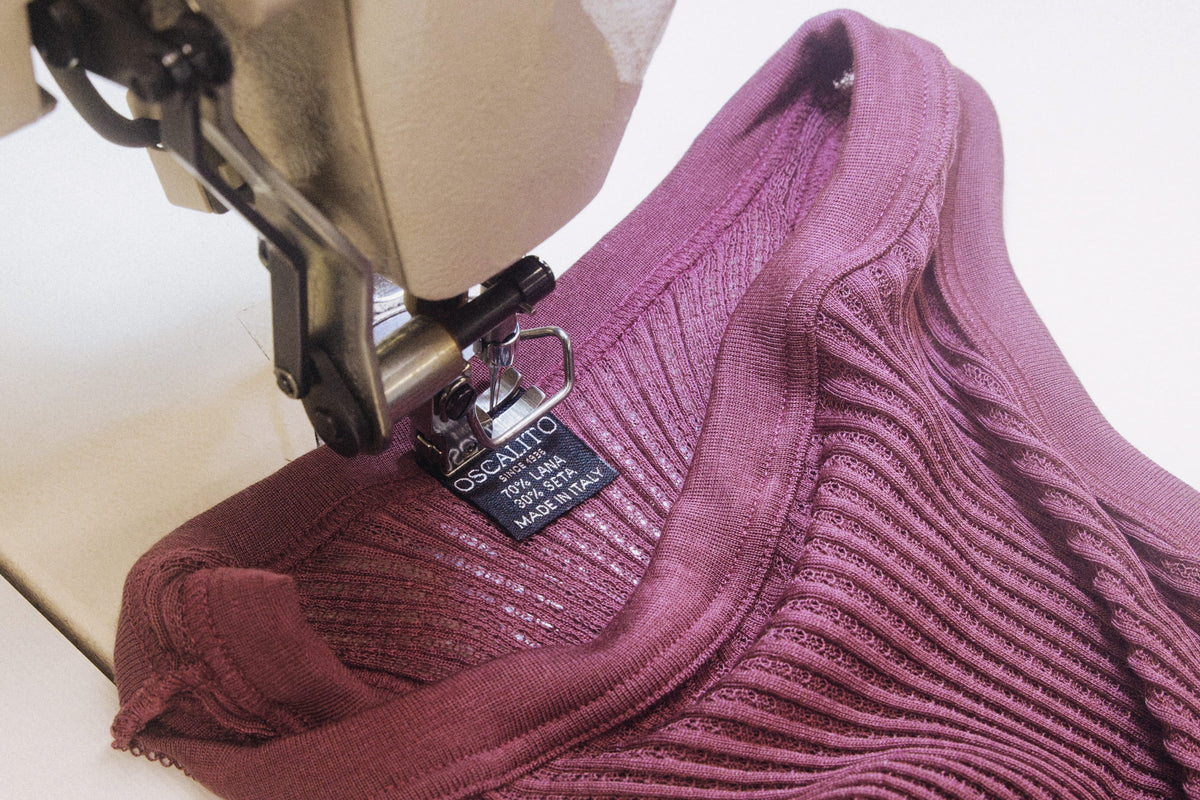
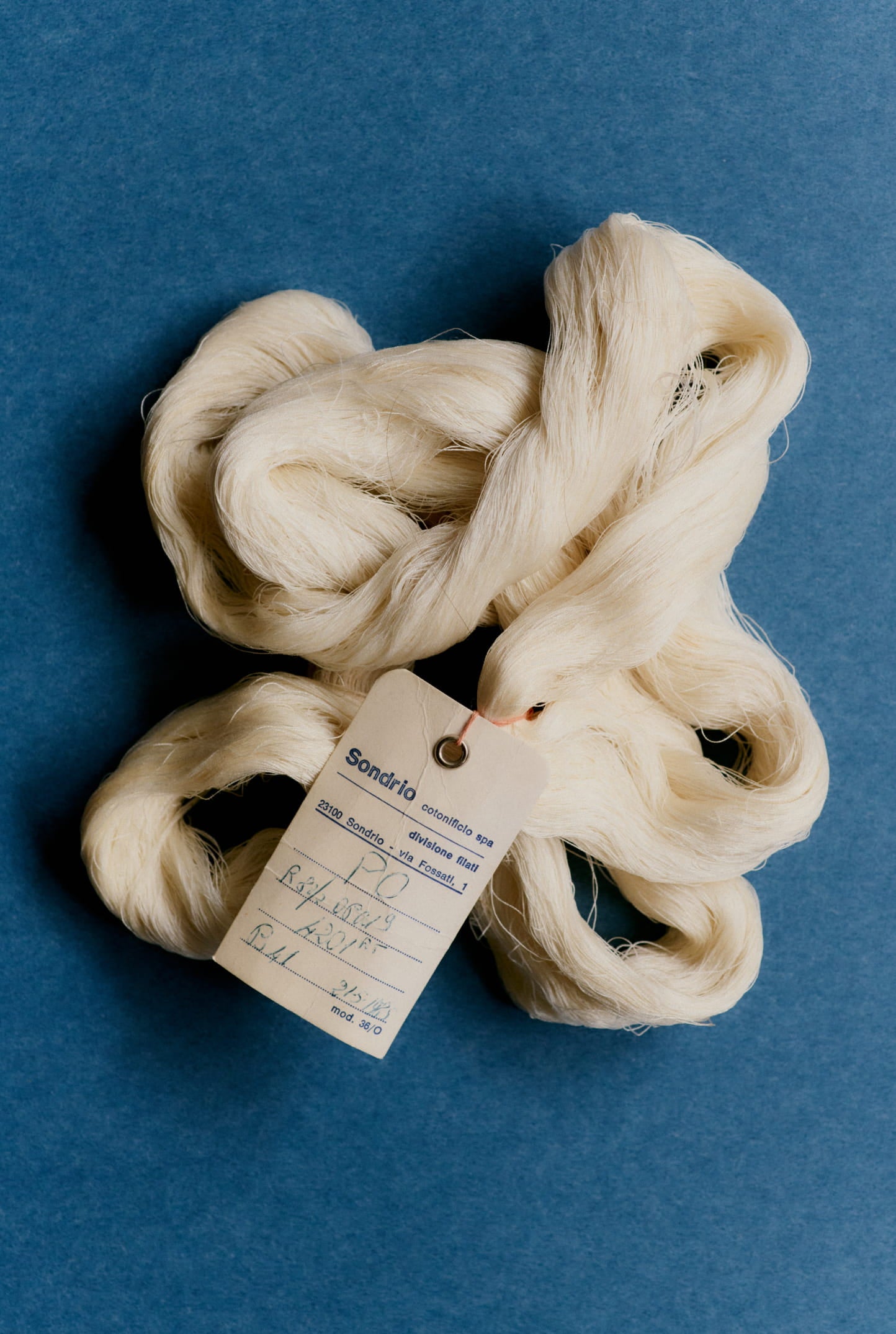
A truly responsible brand is able to tell the story behind every garment. It knows where its fibers come from, where they are processed, and which manufacturing methods are used along the way. Some companies, such as Oscalito, have even invested in advanced traceability systems like RFID technology, allowing every stage of the supply chain to be monitored and each garment to be tracked throughout the production process. Independent platforms such as Good On You also help consumers make informed decisions by evaluating thousands of fashion brands against environmental, social, and ethical criteria.
Materials That Make a Difference
In sustainable fashion, raw materials matter far more than many people realize. Traceable natural fibers, certified organic cotton, responsibly sourced wool, and carefully processed linen and silk provide an important starting point. But sustainability is not determined by materials alone. Equally important is how those materials are transformed. Thoughtful craftsmanship, less resource-intensive production methods, and a commitment to creating garments that last are what ultimately distinguish clothing designed to be treasured for years from pieces intended to be quickly replaced.
Longevity as a Conscious Choice
A garment designed to last is, in itself, a sustainable choice. The true environmental impact of clothing cannot be measured solely at the moment it is produced, but throughout its entire life cycle. A well-made garment is never intended for just one season. It retains its shape, remains comfortable to wear year after year, and continues to look beautiful long after its first use. This is where sustainability and quality truly come together.
A More Authentic Way to Communicate
Truly sustainable brands rarely claim to be perfect. Sustainability is an ongoing journey built on continuous improvement, research, and meaningful action. That is why the most credible brands communicate with honesty and transparency rather than relying on exaggerated claims or unrealistic promises. Instead of presenting themselves as flawless, they choose to show what they are doing—and where they are still working to improve—with openness, accountability, and integrity.
Sustainable Clothing: What to Look for in a Garment
Choosing sustainable clothing means embracing a different way of experiencing fashion—one that is more thoughtful, more conscious, and built to last. In recent years, the concept of slow fashion has gained increasing attention, encouraging people to build a wardrobe of timeless, versatile, and well-crafted garments rather than constantly chasing new trends.
When it comes to sustainability, textile fibers play a fundamental role. Cotton, linen, silk, cashmere, and wool are often more responsible choices than many synthetic alternatives. Synthetic fibers are derived from fossil fuels and can release microplastics during washing—an invisible form of pollution with very real environmental consequences.
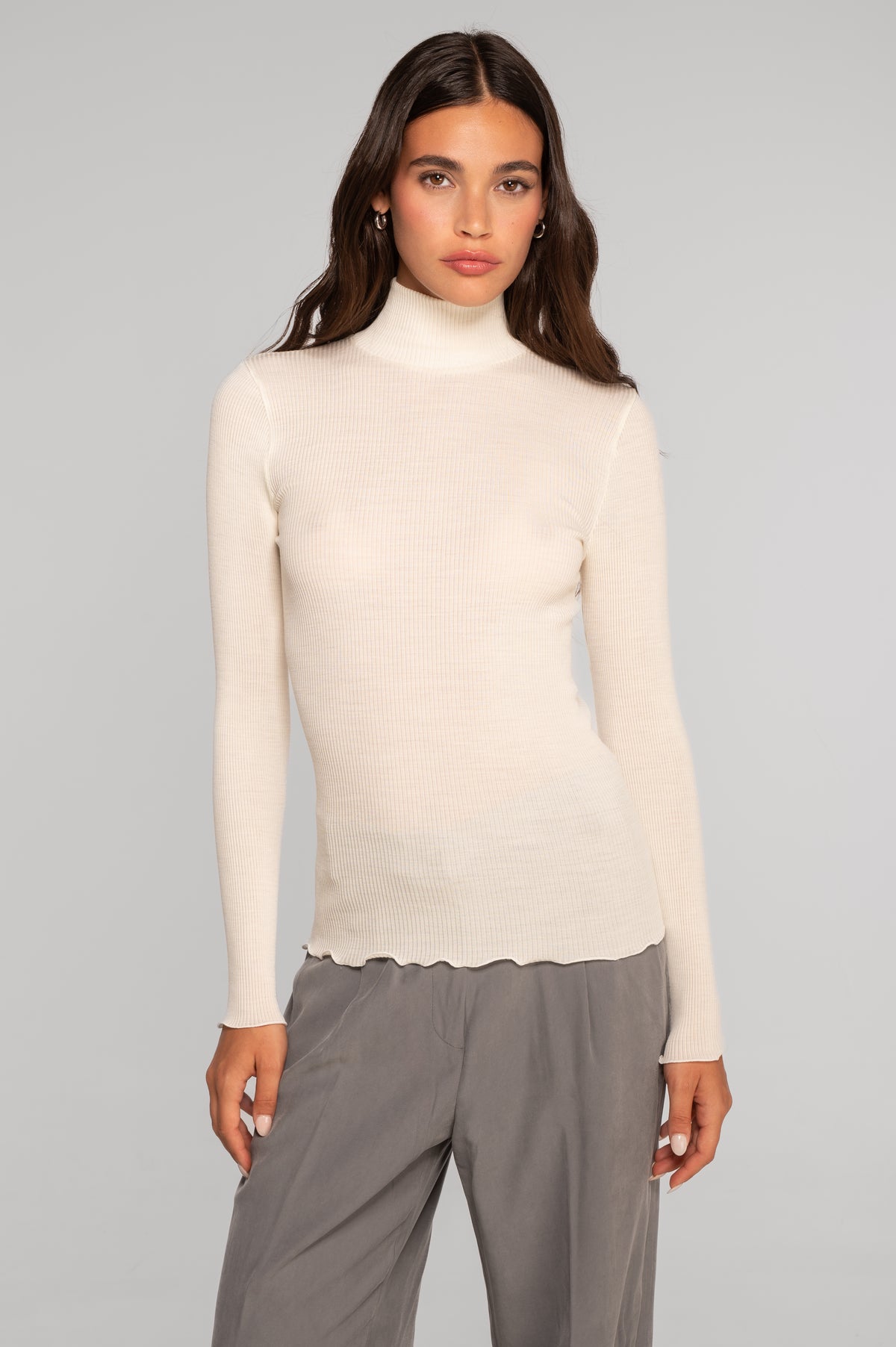
However, sustainability is about more than choosing natural fibers. The way those fibers are processed, the quality of the raw materials, and the garment's ability to stand the test of time are equally important. Merino wool, for example, is valued for its natural temperature-regulating and breathable properties. It adapts comfortably to changing seasons while maintaining its performance over time. This means fewer replacements, less waste, and a longer-lasting relationship with the clothes we wear.
There is also another important factor to consider: price. Creating a high-quality garment requires time, expertise, research, and skilled craftsmanship. When a piece of clothing is sold at an exceptionally low price, it often reflects compromises made somewhere along the way—whether in the quality of the materials, the durability of the garment, or the conditions under which it was produced.
Finally, sustainability doesn't end at the moment of purchase. It continues in the way we care for our clothing every day. Washing garments gently, choosing lower temperatures, and following proper care instructions all help preserve fabric quality, extend a garment's lifespan, and reduce unnecessary waste.
Dress Better, Choose Better: The Value of Sustainable Fashion
We live in a world where everything moves quickly—information, trends, images, and shopping habits. We buy more than ever, use less than we should, and often replace things before we've truly appreciated them. Fashion is no exception.
In this context, slow fashion offers a different perspective. It encourages us to slow down, make more intentional choices, and invest in garments crafted with care, made from quality materials, and produced by brands that value craftsmanship over the constant pursuit of the next trend.

Even while shopping—whether online or in a boutique—a few simple questions can completely change the way we make decisions. Do I really know the story behind this garment? Where was it made? Which materials were used? How was it produced? Will I still enjoy wearing it years from now, or will it quickly lose its value?
Even the way we assess a purchase begins to change. The initial price is only part of the equation. What truly matters is how many times a garment will be worn, appreciated, and enjoyed over its lifetime. This is the principle behind Cost Per Wear: the real value of clothing is measured not only by what it costs, but by how long it continues to earn its place in your wardrobe.
Certifications can also serve as valuable guides. Standards such as GOTS, OEKO-TEX, and Fair Trade offer greater confidence in the quality of materials, production processes, and supply chain transparency, helping consumers navigate the world of sustainable fashion more confidently.
And often, the sustainable fashion brands that truly stand out are not the ones that talk the loudest about sustainability, but those that quietly build their reputation over time through craftsmanship, local manufacturing, carefully selected fibers, and a more responsible approach to creating clothing—brands like Oscalito.
Sustainable fashion is neither a niche choice nor a passing trend. It is an increasingly important mindset for anyone seeking a more meaningful relationship with what they wear—one that is more conscious, more enduring, and more authentic. Perhaps it all begins with a simple decision: buying less, but buying better. Asking one more question before making a purchase. Waiting for a garment that is truly worth wearing. Rediscovering the value of things that are made to last.