






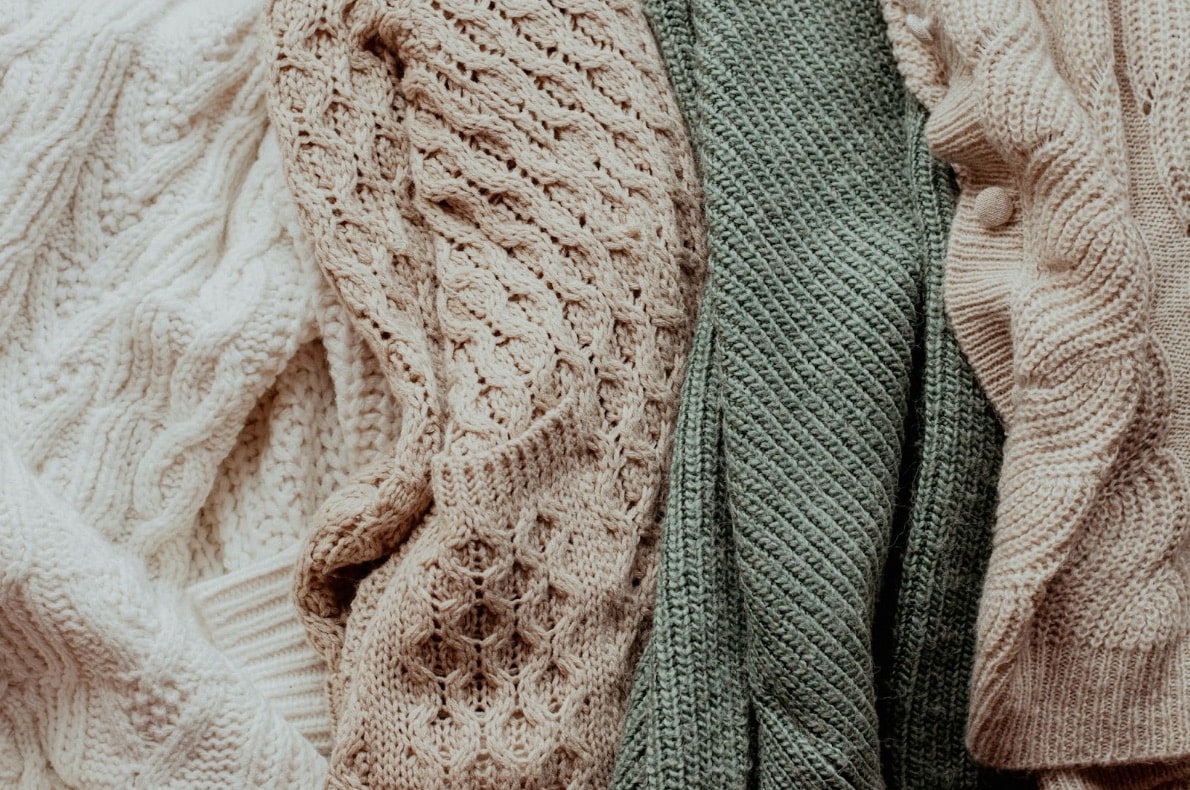
The Magic of Wool: Comparing the finest Natural Fibres
Wool is one of the most beloved and widely used natural materials in the world. It’s a fibre that has travelled through centuries and cultures, adapting to our needs without ever losing its charm. For thousands of years, wool has kept us warm, embraced us with softness, and brought elegance to our favourite garments. But not all wool is the same: each type has its own identity and story, rooted in distant landscapes and age-old traditions.
From the versatility of traditional wool to the refinement of Merino, from the luxurious softness of Cashmere to the enveloping lightness of Alpaca, every fibre offers a unique experience. Understanding the differences among these varieties means choosing garments that not only meet our needs but also respect the environment and the people behind their production.
In this article, we’ll explore the features, benefits and secrets of each type of wool—guiding you towards the perfect fibre for your needs. Get ready to discover a world of natural beauty, sustainability, and stories woven from tradition and innovation. A journey that will change the way you look at a simple wool sweater.

Table of Contents
- Wool: Nature on Your Skin
- Merino Wool: Softness that Redefines Warmth
- Cashmere: A Precious Fibre, Symbol of Elegance
- Alpaca Wool: The Treasure of the Andes
- So Similar, so Different: Discovering Their Common Ground and Unique Traits
- Oscalito: Tradition, Quality and Sustainability in Knitwear
Wool: Nature on Your Skin
Wool is one of the oldest and most versatile natural fibres ever used by humans. Technically, the term "wool" refers to any animal hair that can be spun into yarn and woven into fabric. The most commonly used wools come from animals such as goats (cashmere and mohair), sheep (Merino wool), rabbits (angora), camelids (camel, alpaca, and vicuña), and even bovines (yak). Among these, sheep’s wool has always been the most widespread, known and loved for its exceptional insulating properties and its ability to adapt to various climates and needs.
What makes wool so special? First of all, its natural structure. Each fibre is made of keratin, a protein that naturally retains heat, making wool an excellent thermal insulator. It is also highly breathable, capable of absorbing up to 30% of its weight in moisture without feeling wet, thus keeping your skin dry and comfortable.
Another unique feature of wool is its elasticity. The fibres bend and stretch without breaking, which makes wool garments durable and able to maintain their shape over time. It is also naturally odour- and stain-resistant, reducing the need for frequent washing and extending the life of each garment, making wool a more sustainable choice overall.
Merino Wool: Softness that Redefines Warmth
Merino wool is one of the finest and most appreciated fibres in the world, renowned for its incredible softness, versatility, and outstanding performance. It comes from Merino sheep, originally from Spain but now primarily raised in Australia and New Zealand. What sets Merino wool apart is the ultra-fine diameter of its fibres—often well below 20 microns, and in some cases as fine as 12 microns. This remarkable thinness makes Merino wool exceptionally soft and gentle against the skin.
What many call a “wool allergy” is usually a reaction to the coarse scales of lower-quality wool fibres (those with a diameter above 19 microns), which can cause itching. An extrafine Merino wool, like the 18-micron variety used by Oscalito, is so fine that it doesn't irritate the skin at all. Merino wool is often blended with other noble fibres, like silk, to further enhance its softness and luxurious feel.
One of Merino wool’s most unique qualities is its adaptability. Thanks to the structure of its fibres, it is naturally thermoregulating, creating a microclimate close to the skin. It retains heat when it’s cold and releases moisture when it’s warm, making it perfect for both winter garments and performance wear. Additionally, Merino wool is highly breathable and moisture-absorbing, keeping your skin fresh and comfortable even after a full day of wear.
Cashmere: A Precious Fibre, Symbol of Elegance
Cashmere is much more than just a fibre, it embodies luxury and sophistication. Sourced from the undercoat of Cashmere goats, native to the cold highlands of the Himalayas, this wool is famed for its unparalleled softness and lightness in the world of natural fabrics. Each goat produces only a small amount of cashmere each year, about 150 grams, making this fibre incredibly rare and valuable.

One of cashmere’s most appreciated qualities is its ability to provide exceptional warmth while remaining incredibly lightweight. This is due to the ultra-fine structure of its fibres, which trap body heat without adding bulk. Ideal for cold winter days, cashmere is also a remarkably versatile natural fibre, used to create sweaters, coats, scarves, and elegant accessories.
Alpaca Wool: The Treasure of the Andes
Alpaca wool is one of the most refined and fascinating natural fibres, originating from the highlands of the Andes, where alpacas have been bred for centuries in harmony with nature. This wool is renowned for its softness and silky sheen, making it irresistible to the touch and beautiful to the eye. Thanks to its unique structure, alpaca wool is warmer than sheep’s wool and incredibly lightweight, offering thermal insulation without weighing down the wearer.
One of its most distinctive features is the absence of lanolin, making it hypoallergenic and ideal for sensitive skin. Moreover, alpaca fibre is naturally durable, less prone to pilling and wear than other fibres, ensuring garments that retain their beauty and quality over time. This makes it perfect for sweaters, coats, and accessories that combine comfort and style.
Another remarkable trait of alpaca wool is its range of natural colours, from pure white to deep black, including endless shades of grey, brown, and beige. These natural tones reduce the need for chemical dyes, contributing to a more sustainable production process.

So Similar, so Different: Discovering their Common Ground and Unique Traits
The different types of wool, traditional, Merino, cashmere, and alpaca, share some key characteristics: they are natural, renewable, biodegradable fibres, and all are valued for their warmth and comfort. However, they differ in softness, weight, and their ideal uses.
Traditional wool, sourced from sheep not specifically bred for fleece fineness, is warm and durable, perfect for heavy garments like coats and blankets. However, its thicker and coarser fibre can be less soft and occasionally irritating for sensitive skin.
Merino wool, on the other hand, stands out for its exceptional softness and fineness, making it gentle against the skin. It is breathable and versatile, ideal for lightweight sweaters or technical garments.
Alpaca wool, native to the South American highlands, is known for being warmer and lighter than sheep’s wool. It’s hypoallergenic due to the absence of lanolin and offers a beautiful range of natural colours. However, it’s less elastic than Merino or traditional wool.
Finally, cashmere is one of the most luxurious fibres: incredibly soft, light and warm, perfect for refined, elegant garments. However, it is more delicate, requires extra care, and has slightly lower resistance.
Not sure which one to choose? The best option depends on your priorities: go for durability with traditional wool, versatility with Merino, warmth with alpaca, and elegance with cashmere. Each fibre brings its own unique character, offering the perfect solution for different needs and lifestyles.

Oscalito: Tradition, Quality and Sustainability in Knitwear
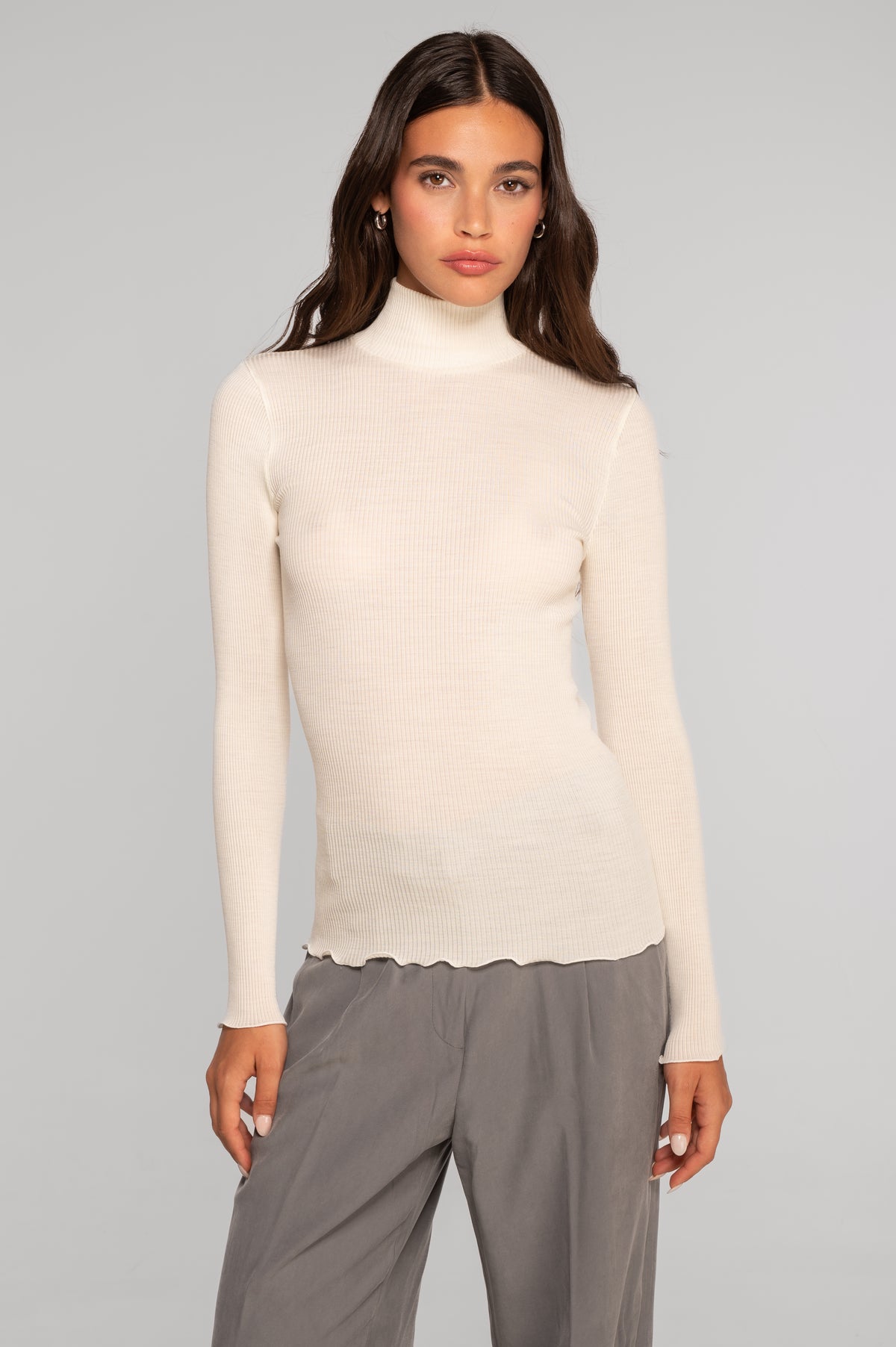
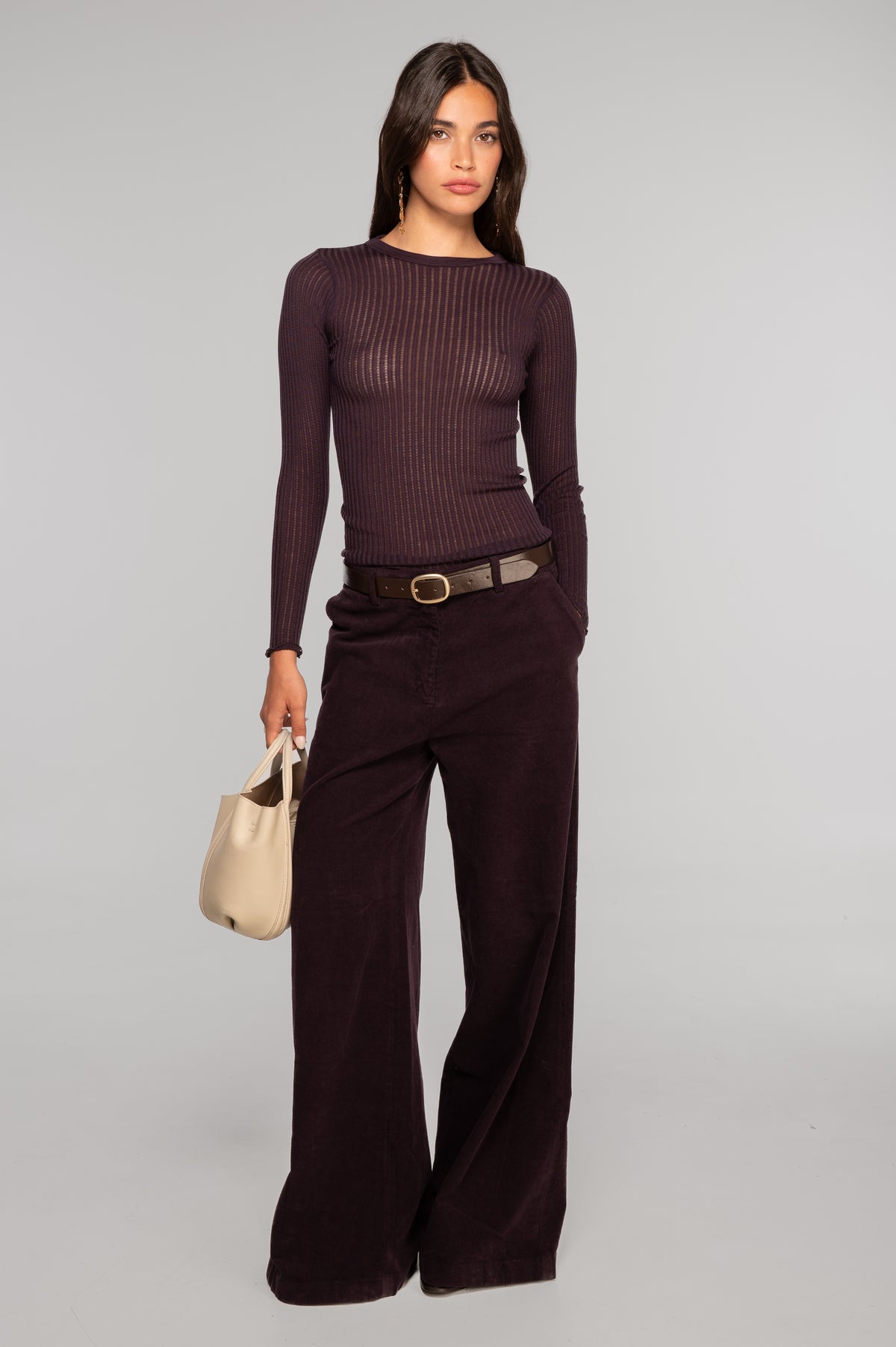
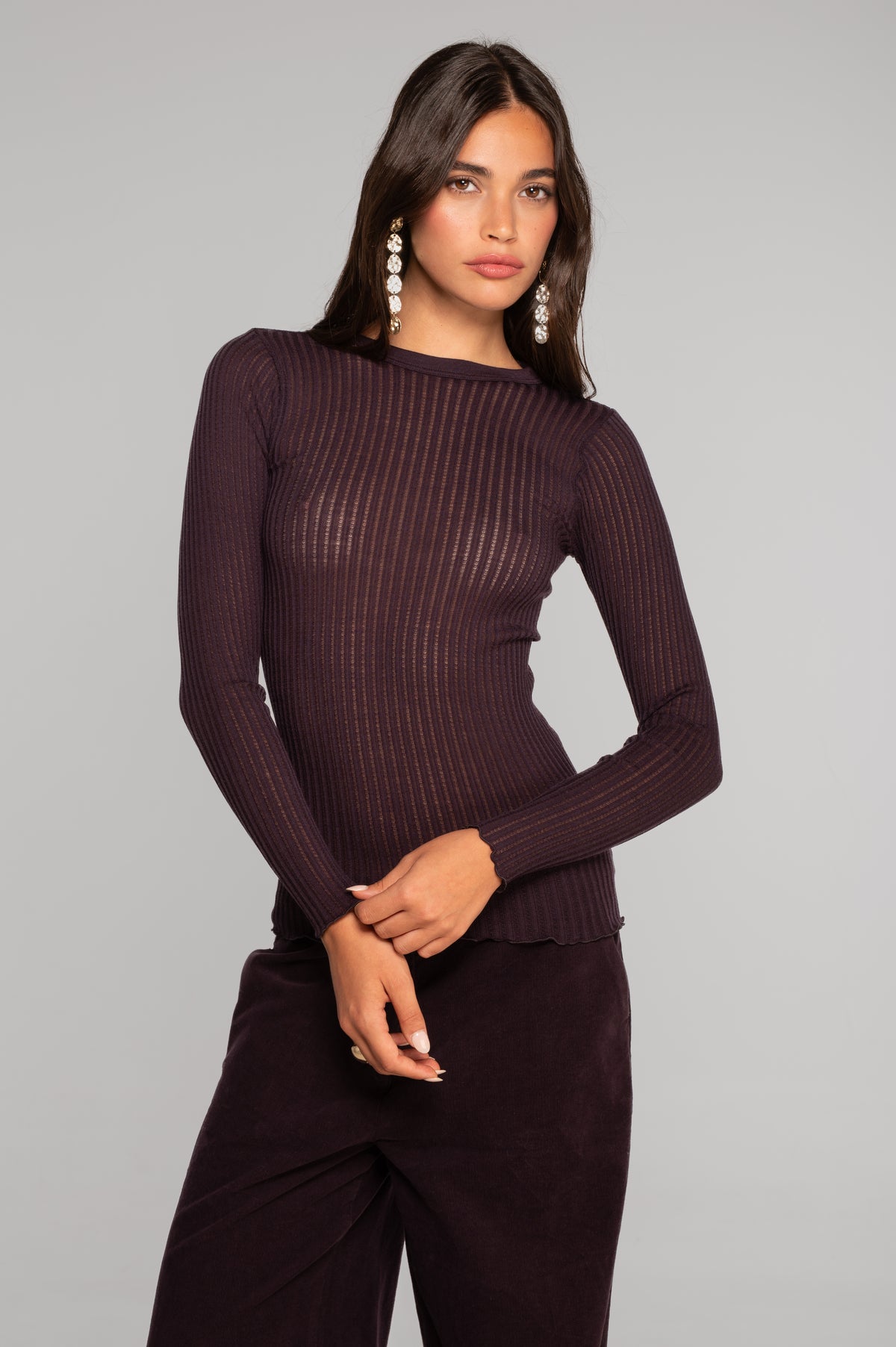
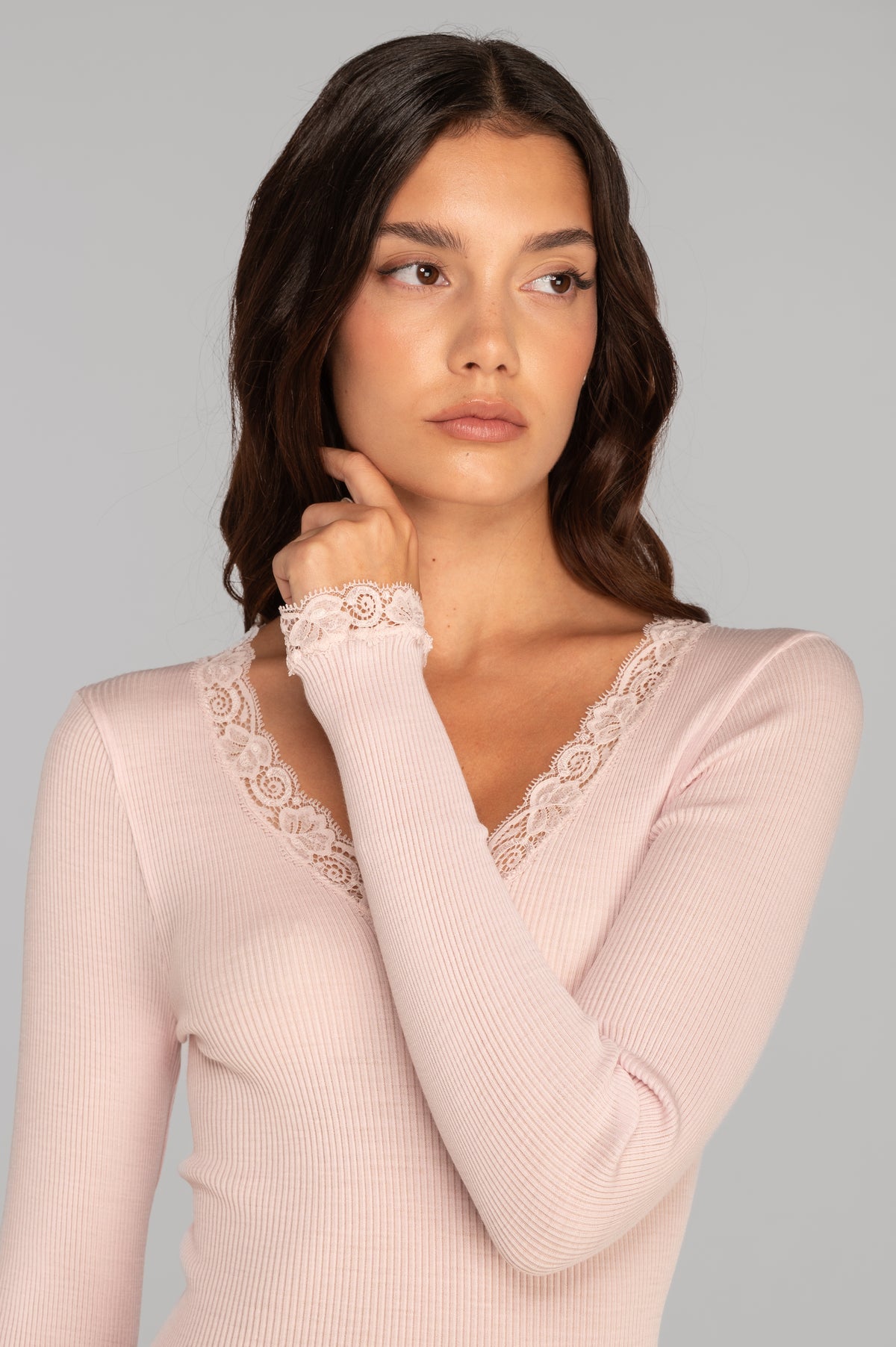
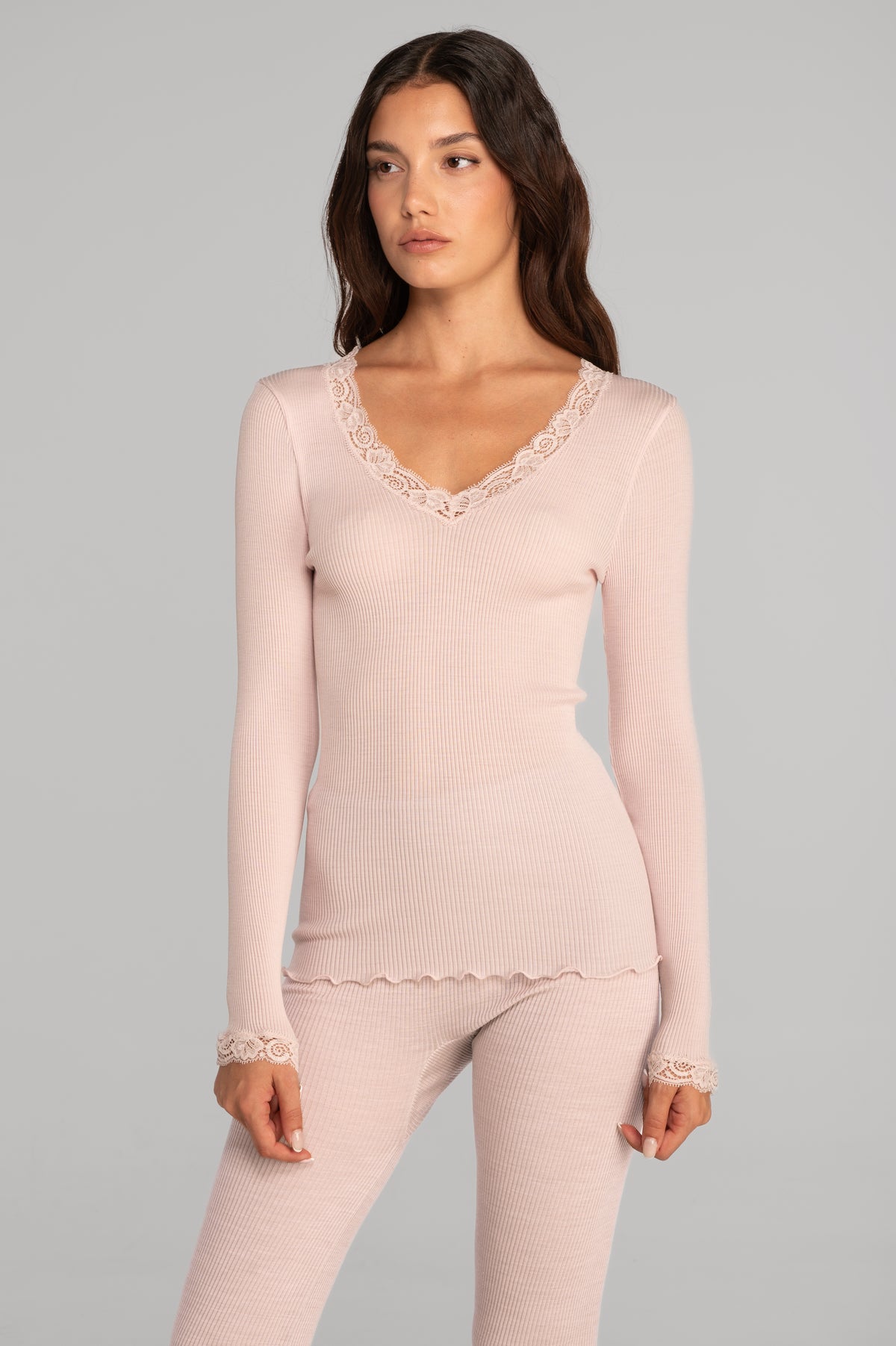
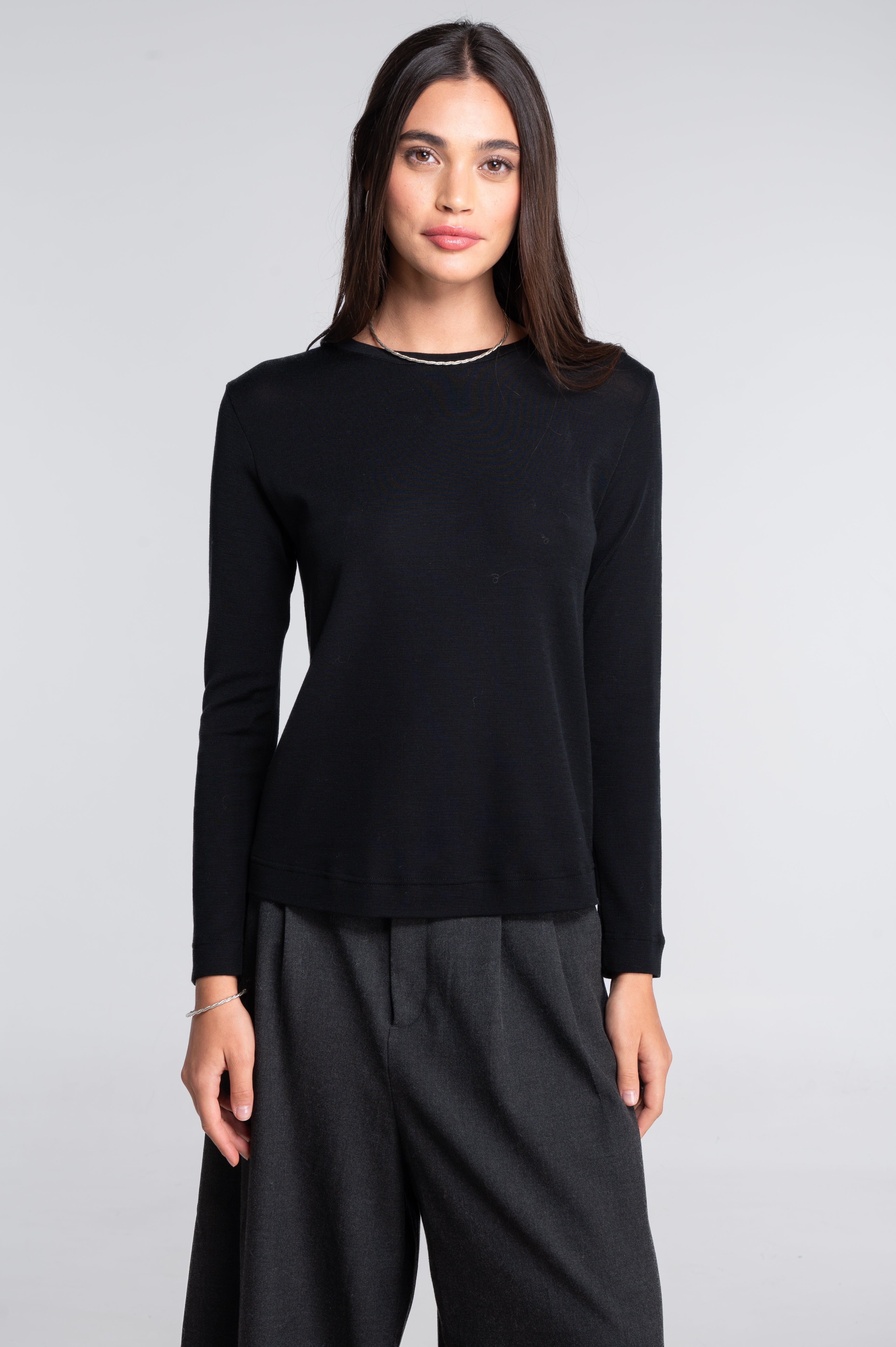
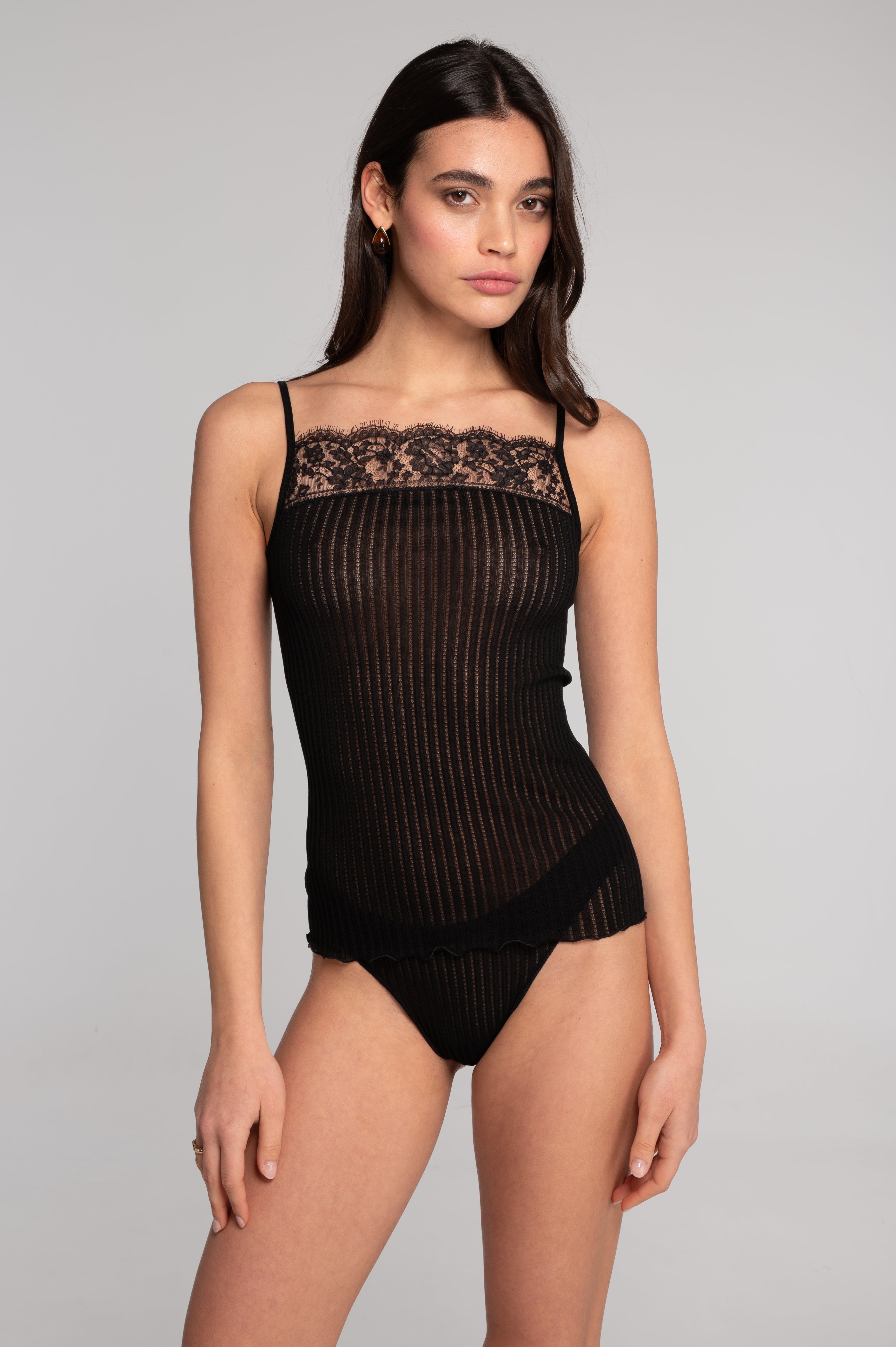
After exploring the richness of wool in all its forms, Oscalito naturally stands as the meeting point between tradition, quality and innovation. Every one of our garments begins with a careful selection of the finest natural fibres, transformed into high-quality wool knitwear and tops through a fully Italian and sustainable production process.
With an approach that combines timeless design and artisanal techniques, we enhance the unique properties of each type of wool to create pieces that dress the body and tell a story, one of care, attention, and respect for both people and the planet. From the most precious yarns to the slow manufacturing that preserves the integrity of each fibre, every detail reflects a philosophy that celebrates the value of things made to last.
Oscalito’s commitment to sustainability is evident in our choice of mulesing free wool, sourced from farms that respect animal welfare and avoid painful or invasive practices. This approach, combined with a fully Italian and traceable supply chain, guarantees both quality and integrity. Every phase of production, from the selection of yarns to the creation of garments, expresses a philosophy that honours natural luxury and environmental responsibility.
We don’t just make knitwear, we create an experience of style, warmth, and well-being that goes far beyond the garment itself. Choosing Oscalito means embracing a more authentic, mindful way of living, one that reconnects you with nature and the lasting pleasure of wearing clothing that speaks of excellence and responsibility.